
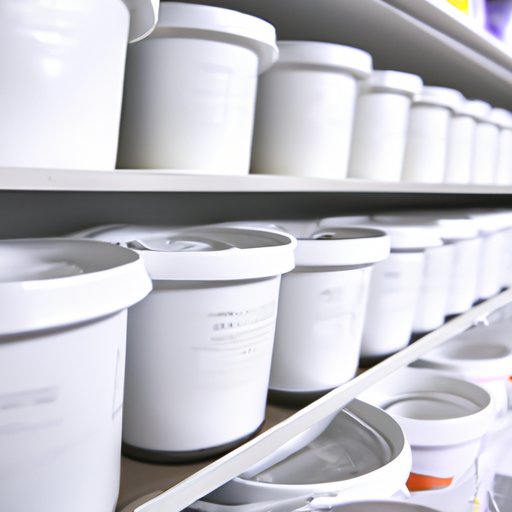
Introduction
Whether you’re painting a room or creating a craft project, having the right type of paint on hand is essential. But how long can you store paint before it loses its effectiveness? This article will explore the shelf life of different types of paint, provide tips for maximizing the life of your paint supply, and discuss how to store paint for maximum longevity.
How Long Does Paint Last? Exploring the Shelf Life of Different Types of Paint
The shelf life of paint depends on the type of paint being used. Oil-based paints typically last the longest, while latex/water-based paints have a shorter shelf life. Specialty paints and coatings may also have different expiration dates.
Oil-Based Paints
Oil-based paints are known for their durability and long-lasting finish. They tend to last longer than other types of paint when stored correctly. According to the Painting and Decorating Retailers Association, “oil-based paints, depending on the manufacturer, can last up to 15 years if stored in a cool, dry place away from direct sunlight.”
Latex/Water-Based Paints
Latex/water-based paints are less durable than oil-based paints, but they are often easier to clean up and require fewer solvents. According to Bob Vila, “latex paints usually last up to 10 years, but since many contain biocides to extend shelf life, you should check the expiration date printed on the can.”
Specialty Paints and Coatings
Specialty paints and coatings may have different shelf lives due to their unique formulations. For example, floor paint can last up to two years if stored properly, while epoxy paint can last up to five years. Always check the expiration date on the container and follow the manufacturer’s instructions for storage.

Tips for Maximizing the Life of Your Paint Supply
To get the most out of your paint supply, there are a few simple steps you can take. First, buy only what you need. Most paint stores will mix small batches of paint so that you don’t have to buy an entire gallon. Second, keep containers sealed. Make sure to tightly seal the lid on each can of paint after use to prevent air from getting in and drying out the paint.
Third, store in cool, dry places. Heat and humidity can cause paint to break down, so it’s important to find a place that’s not too hot and not too humid. Basements and garages are usually good choices.
Paint Storage 101: The Do’s and Don’ts of Keeping Paint Fresh
When it comes to storing paint, there are some do’s and don’ts you should be aware of. Here are a few tips to help you keep your paint in the best condition possible.
Do’s
- Store Paint in a Dark Place: Exposure to light can cause paint to fade or change color. If you can’t store paint in a dark place, make sure to cover cans with a dark cloth or paper.
- Use Airtight Containers: To prevent air from entering the container, make sure to use an airtight container such as a plastic bucket or a sealed plastic bag.
- Check Paint Regularly: Check stored paint regularly for signs of spoilage such as discoloration or a bad odor.
Don’ts
- Don’t Store in Direct Sunlight: As mentioned above, direct sunlight can cause paint to fade or change color. Try to find a spot where the cans won’t be exposed to direct sunlight.
- Don’t Leave Paint Cans Open: Leaving paint cans open can cause the paint to dry out and become unusable. Make sure to close the lid tightly after each use.
- Don’t Mix Old and New Paint: Mixing old and new paint can cause the colors to become muddy. If you need to mix paint, make sure to use the same type and brand.

How to Store Paint for Maximum Longevity
If you want your paint to last as long as possible, there are a few things you can do. First, choose an appropriate container. Plastic buckets are great for storing paint because they are airtight and easy to carry. You can also use metal cans or plastic bags.
Second, monitor temperature and humidity. Temperature and humidity can affect the quality of paint, so make sure to check these levels regularly. Third, label and date all containers. Labeling and dating paint cans will help you keep track of which paints are older and which are newer.
Storing Paint for Optimal Performance and Lifespan
Finally, when it comes to storing paint, there are a few key points to remember. First, maintain proper temperature. Paint should be stored in a cool, dry place to prevent it from becoming too hot or too cold. Second, store away from heat sources. Heat sources such as radiators or direct sunlight can cause paint to degrade more quickly. Finally, keep containers sealed. Make sure to tightly seal the lid on each can of paint to prevent air from entering and drying out the paint.
Conclusion
Knowing how to store paint correctly is essential for any home improvement project. By following the tips outlined in this article, you can maximize the life of your paint supply and ensure optimal performance. Remember to buy only what you need, keep containers sealed, store in cool, dry places, and monitor temperature and humidity. With the right storage techniques, you can keep your paint fresh and ready to use for years to come.
(Note: Is this article not meeting your expectations? Do you have knowledge or insights to share? Unlock new opportunities and expand your reach by joining our authors team. Click Registration to join us and share your expertise with our readers.)