
Introduction
Flour is a pantry staple that is used in countless recipes, from breads and muffins to cakes and cookies. It is made by grinding grains such as wheat, rye, or barley, and is a key ingredient in many baked goods. But with so many types of flour on the market, it’s important to know how to store it properly to maximize its shelf life and quality.
Why is it important to know how long you can store flour? Not only do you want your baking projects to turn out perfectly, but you also don’t want to waste money by having to replace old, stale flour. Knowing how to store flour correctly can help you get the most out of your ingredients and ensure that your baked goods are fresh and delicious.
The Ultimate Guide to Storing Flour: How Long Does Flour Last?
Different types of flour have different shelf lives. All-purpose flour, for example, has a shelf life of up to one year if stored in an airtight container in a cool, dry place. Whole wheat flour, on the other hand, has a shorter shelf life of three to six months. Other types of flour, such as almond, coconut, or oat flour, should be used within two to three months.
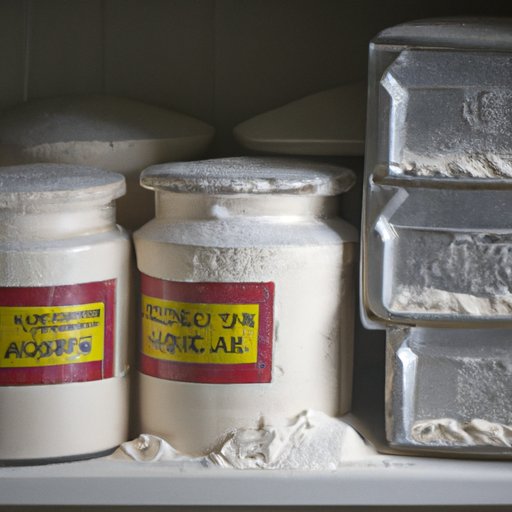
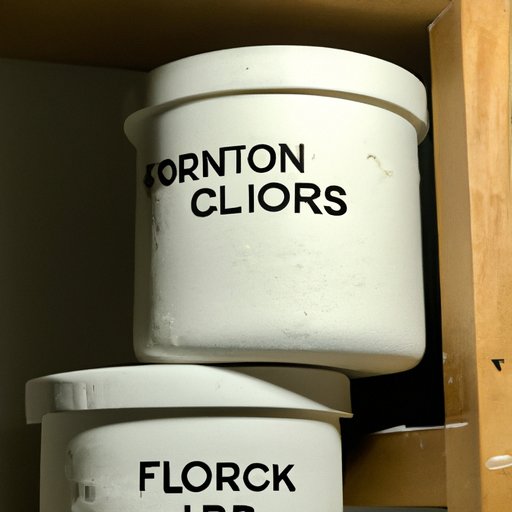
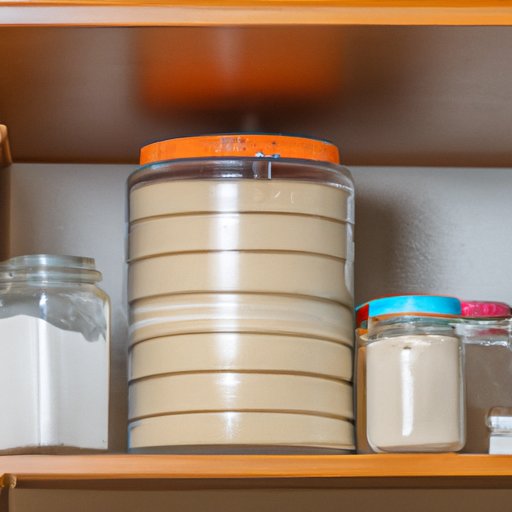
When it comes to storing flour, airtight containers are key. Airtight containers will keep out moisture, light, and other contaminants that can cause spoilage. Glass jars or plastic containers with tight-fitting lids work well for storing flour. Be sure to label and date your containers so you know when the flour was purchased and when it should be used by.
What You Need to Know About Storing Flour for Maximum Shelf Life
To extend the shelf life of your flour, it’s important to keep it away from heat, light, and moisture. Heat and light can cause the flour to go rancid, while moisture can cause mold or mildew to grow. The ideal temperature for storing flour is between 40 and 70 degrees Fahrenheit.1
The importance of using airtight containers cannot be overstated. Not only will they protect the flour from moisture, but they will also help to keep out pests such as moths, weevils, and beetles. If you’re not using an airtight container, be sure to store the flour in an area where rodents or insects won’t be able to access it.
Making the Most of Your Flour: Tips for Storing Flour for Maximum Freshness
The best way to ensure that your flour stays fresh and retains its quality is to store it in a cool, dry place. This could be a cupboard, pantry, or even the refrigerator. However, it’s important to note that some types of flour may absorb odors from food stored nearby, so it’s best to keep them in an area that doesn’t have strong food smells.
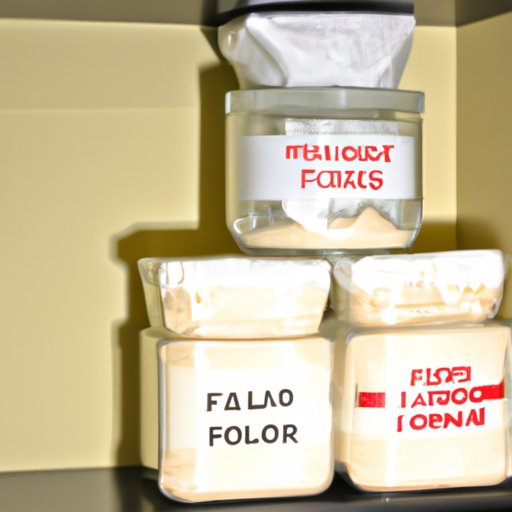
Properly labeling and dating your flour is also important. Whether you use a permanent marker or labels, make sure that the date and type of flour are clearly marked on the container. This will help you keep track of which flours are older, so you can use them before they go bad.
How to Store Flour for Maximum Shelf Life and Quality
Checking the expiration date on your flour is also a good idea. Many types of flour will have an expiration date printed on the package, so be sure to check this before purchasing. If the expiration date has passed, it’s best to buy a new package.
It’s also important to consider the effects of moisture and humidity. Even if you’re using an airtight container, too much humidity can still cause the flour to spoil. To avoid this, try to store your flour in an area that is not prone to excess moisture or humidity.
Maximizing the Life of Your Flour: Tips for Storing Flour Properly
Regularly checking your flour for signs of spoilage is another way to ensure it lasts as long as possible. Look for any discoloration, an off smell, or the presence of bugs or larvae, which can all indicate that the flour has gone bad. If you find any of these signs, it’s best to discard the flour and purchase a new package.
Properly disposing of old or stale flour is also important. Instead of throwing it in the trash, try composting it or using it as mulch in your garden. This will help keep it out of landfills and reduce your environmental impact.
Conclusion
Storing flour properly is essential for maximizing shelf life and preserving quality. Different types of flour have different shelf lives, but they can all be extended by storing them in airtight containers in a cool, dry place. Make sure to label and date your containers, and regularly check your flour for signs of spoilage. By following these tips, you can ensure that your flour stays fresh and delicious.
(Note: Is this article not meeting your expectations? Do you have knowledge or insights to share? Unlock new opportunities and expand your reach by joining our authors team. Click Registration to join us and share your expertise with our readers.)