
Introduction
Salmon is a popular seafood choice that is packed with essential vitamins and minerals. It’s also a great source of healthy fats and protein. But if you’re planning on storing salmon in the refrigerator, it’s important to know how to do so properly for optimal freshness and safety. In this article, we’ll discuss how to store salmon in the fridge, the best way to keep salmon fresh, and how long salmon can last in the refrigerator. We’ll also provide tips for making sure your salmon stays fresh and safe to eat.

How to Store Salmon for Optimal Freshness
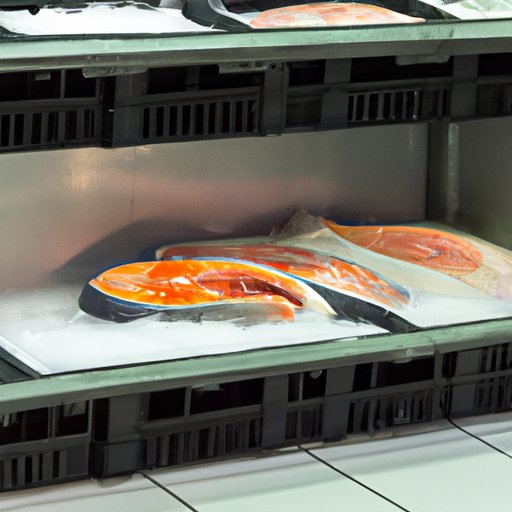
When it comes to storing salmon in the refrigerator, proper packaging is key. If you’ve purchased salmon from the store or market, it’s likely already sealed in airtight packaging. If not, you should transfer the salmon to an airtight container or wrap it tightly in plastic wrap before storing it in the fridge. This will help to lock in moisture and keep oxygen away from the fish, preventing it from spoiling quickly.
It’s also important to store salmon in the coldest part of the fridge, such as the bottom shelf or in the back, as temperatures closer to the door may fluctuate more frequently. Additionally, make sure to keep the salmon away from other foods, especially those with strong odors, as these can easily taint the flavor of the fish.
The Best Way to Keep Salmon Fresh in the Fridge
When it comes to keeping salmon fresh in the fridge, temperature is one of the most important factors. The United States Department of Agriculture (USDA) recommends setting your refrigerator at 40°F or below for optimal food safety. According to the USDA, “bacteria grow rapidly at temperatures between 40°F and 140°F.” Keeping your fridge at the appropriate temperature will slow down the growth of bacteria, helping to extend the shelf life of your salmon.
In addition to temperature, air circulation is also important for keeping salmon fresh. When storing salmon in the fridge, make sure there is plenty of air flow around the package. You can also place a damp paper towel over the package to help keep the salmon moist.
If you’re storing large amounts of salmon, it’s also a good idea to use ice packs or ice cubes to keep the fish cold. This will help to maintain the ideal temperature and prevent the salmon from spoiling too quickly.
How Long Does Salmon Last in the Refrigerator?
So how long can you store salmon in the fridge? Unfortunately, there is no definitive answer to this question. The shelf life of salmon depends on a variety of factors, including how it was packaged, where it was stored, and how fresh it was when purchased. Generally speaking, salmon can last up to two days in the refrigerator, although some sources suggest that it can last up to three days.
According to the National Center for Home Food Preservation, “fresh, raw salmon should be kept at a temperature of 40°F or lower and consumed within two days.” If you plan on keeping the salmon for longer than two days, you should freeze it. Frozen salmon can last up to six months in the freezer.

Storing Salmon: Tips for Keeping Your Fish Fresh
There are several steps you can take to maximize the shelf life of your salmon and ensure that it stays fresh and safe to eat. First, make sure to keep your hands and all surfaces clean when handling the salmon. This will help to reduce the risk of cross contamination and potential foodborne illnesses.
After opening the package, it’s a good idea to re-wrap the salmon in fresh plastic wrap or an airtight container. This will help to keep the salmon fresh for longer. If you won’t be using the salmon within two days, you should freeze it to preserve its quality and flavor.

How to Maximize the Shelf Life of Salmon
To get the most out of your salmon, it’s best to purchase it as fresh as possible. Look for fish with bright eyes, firm flesh, and a pleasant smell. Avoid buying salmon that has been sitting out for a long time or has visible signs of spoilage.
It’s also important to avoid cross contamination by keeping raw salmon away from other foods. Make sure to use separate cutting boards and utensils for preparing the fish, and wash your hands thoroughly after handling it. Finally, it’s best to eat the salmon within two days of purchase for optimal freshness and safety.
How to Tell When Salmon is No Longer Safe to Eat
Salmon that is past its prime can quickly become unsafe to eat. To determine whether your salmon is still safe, start by looking for any visible signs of spoilage. If the salmon is discolored, slimy, or has a strong odor, it’s probably no longer safe to eat.
You can also check the texture of the fish. Fresh salmon should have a slightly firm and silky texture, while spoiled salmon will be mushy and sticky. Finally, you should also trust your nose. If the salmon smells off or has a fishy odor, it’s best to discard it.
Tips for Making Sure Your Salmon Stays Fresh and Safe
When it comes to storing and consuming salmon, it’s important to follow proper food safety guidelines. Make sure to store the salmon in the coldest part of the refrigerator, and pay close attention to expiration dates. If you’re not planning on eating the salmon within two days, it’s best to freeze it.
If you have leftovers, make sure to store them in an airtight container and consume them within three days. Finally, it’s a good idea to label and date all packages of salmon so you can keep track of when they were purchased and when they expire.
Conclusion
Salmon is a delicious and nutritious seafood option, but it’s important to store it properly to ensure that it stays fresh and safe to eat. When storing salmon in the refrigerator, it’s important to maintain a temperature of 40°F or below, keep the salmon away from other foods, and re-wrap it in fresh packaging after opening. Salmon can generally last up to two days in the refrigerator, although some sources suggest that it can last up to three days. If you’re not planning on eating the salmon within two days, it’s best to freeze it. By following proper food safety guidelines and taking the necessary precautions, you can make sure your salmon stays fresh and safe to enjoy.
(Note: Is this article not meeting your expectations? Do you have knowledge or insights to share? Unlock new opportunities and expand your reach by joining our authors team. Click Registration to join us and share your expertise with our readers.)