
Introduction
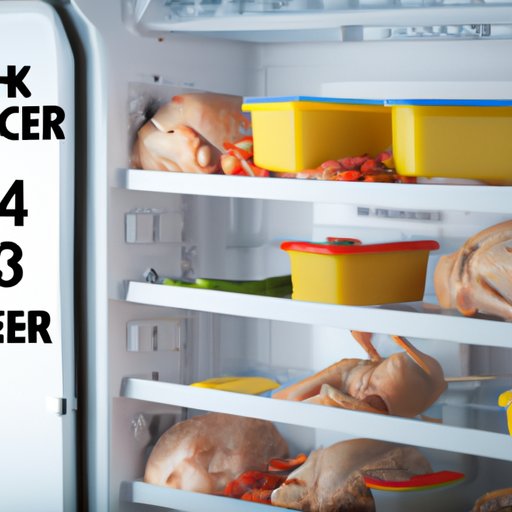
Freezing chicken is a great way to preserve its freshness and extend its shelf-life. But how long can you keep chicken in the freezer? This article will explore the answer to this question, as well as provide tips and best practices for maximizing the storage time of frozen chicken.

Maximizing Chicken Freezer Storage Time
When it comes to freezing chicken, there are several steps you can take to ensure that it stays fresh for as long as possible. Proper packaging and labeling, as well as temperature control, are key to maximizing the shelf-life of frozen chicken.
Proper Packaging
Proper packaging is essential when it comes to preserving the freshness of frozen chicken. Make sure to choose airtight containers or bags that are designed for freezing. For optimal results, use heavy-duty aluminum foil, plastic wrap, or freezer paper.
Labeling
Labeling your frozen chicken properly is also important. Include the date that you froze the chicken as well as any other relevant information such as cooking instructions. This will help you determine how long your chicken has been in the freezer and whether or not it is still safe to eat.
Temperature Control
Finally, make sure to keep your freezer at a consistent temperature. According to the U.S. Department of Agriculture’s Food Safety and Inspection Service, the ideal temperature for a home freezer is 0°F (-18°C). This will help prevent spoilage and reduce the risk of foodborne illnesses.
How Long Does Frozen Chicken Last?
So, how long does frozen chicken last? The average shelf-life of frozen chicken is 9 to 12 months, although this can vary depending on a number of factors. The type of chicken, how it was packaged, and the temperature of the freezer all play a role in determining the shelf-life of frozen chicken.
Average Shelf-Life
According to the USDA, frozen raw chicken can last up to one year in the freezer. Cooked chicken, on the other hand, can last up to two months. It is important to note, however, that these are just general guidelines and may not apply in all cases.
Factors that Affect Shelf-Life
There are a number of factors that can affect the shelf-life of frozen chicken. Poor packaging, improper labeling, and fluctuating temperatures can all shorten the shelf-life of frozen chicken. Additionally, if the chicken has been previously frozen and then thawed, it should be consumed within 2 days.
Tips for Storing Chicken in the Freezer
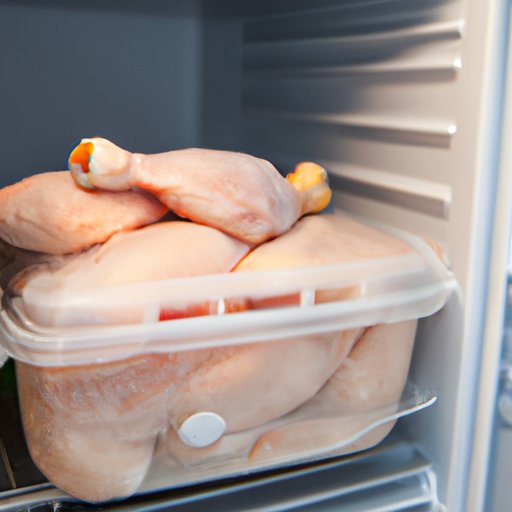
To maximize the shelf-life of your frozen chicken, there are a few tips you can follow. These include sealing and wrapping, grouping and portioning, and separating raw and cooked chicken.
Sealing and Wrapping
Make sure to seal and wrap your chicken tightly. This will help to prevent freezer burn and ensure that the chicken stays fresh for as long as possible. To do this, wrap each individual piece of chicken in plastic wrap or aluminum foil, and then place it in an airtight container or bag.
Grouping and Portioning
Grouping and portioning your chicken is also important. Grouping pieces together in small batches will help them to freeze faster and more evenly. Additionally, it will make it easier to thaw and cook later on. Portioning is also important, as it will allow you to thaw only what you need at any given time.
Separating Raw and Cooked Chicken
Finally, make sure to separate raw and cooked chicken. Raw chicken should be stored separately from cooked chicken, as cross-contamination can lead to foodborne illnesses. Additionally, cooked chicken should be used within two days after thawing.
Best Practices for Keeping Chicken in the Freezer
In addition to following the tips outlined above, there are a few best practices you can follow to ensure your chicken stays fresh in the freezer. These include pre-freezing preparation, freezing process, reheating and thawing, and preserving freshness.
Pre-Freezing Preparation
Before freezing your chicken, it is important to prepare it properly. Start by washing your hands before handling the chicken. Then, rinse the chicken under cold running water and pat it dry with paper towels. Finally, make sure to trim off any excess fat or skin.
Freezing Process
Once your chicken is prepared, you can begin the freezing process. Place the chicken in an airtight container or bag, making sure to leave enough room for expansion. Seal the container or bag securely and label it with the date it was frozen. Finally, place the container or bag in the coldest part of your freezer.
Reheating and Thawing
When it comes time to reheat or thaw your chicken, make sure to do so safely. Reheat chicken to an internal temperature of 165°F (74°C) to kill any bacteria. When thawing, make sure to place the chicken in the refrigerator and not on the countertop. Additionally, never refreeze thawed chicken.
Preserving Freshness
Finally, make sure to preserve the freshness of your frozen chicken. To do this, make sure to store it in airtight containers or bags and check regularly for signs of freezer burn. Additionally, make sure to not overfill your freezer, as this can lead to poor air circulation and reduce the shelf-life of your frozen items.
What to Know About Freezing Chicken
When it comes to freezing chicken, there are both benefits and drawbacks. Knowing what to expect can help you decide whether or not freezing is the right option for your needs.
Benefits of Freezing
The main benefit of freezing chicken is that it can help to extend its shelf-life. Freezing can also help to preserve the flavor and texture of the chicken. Additionally, freezing allows you to portion and store chicken in smaller amounts, which can save you time and money in the long run.
Drawbacks of Freezing
On the other hand, there are some drawbacks to freezing chicken. Freezing can cause the texture of the chicken to change, and it can also reduce the nutritional value of the chicken. Additionally, freezing can be time-consuming and require additional supplies such as airtight containers or bags.
The Do’s and Don’ts of Refrigerating Chicken
When storing chicken in the refrigerator, there are a few do’s and don’ts to keep in mind. Following these guidelines can help to ensure that your chicken stays fresh and safe to eat.
Do’s
Do store raw chicken in the refrigerator for no more than two days. Do store cooked chicken in the refrigerator for up to four days. Do place the chicken in an airtight container or bag to prevent contamination. Do use separate cutting boards and utensils for raw and cooked chicken.
Don’ts
Don’t store raw chicken on the countertop. Don’t let raw chicken come into contact with other foods. Don’t store cooked chicken in the same container as raw chicken. Don’t refreeze thawed chicken.
How to Preserve Freshness When Freezing Chicken
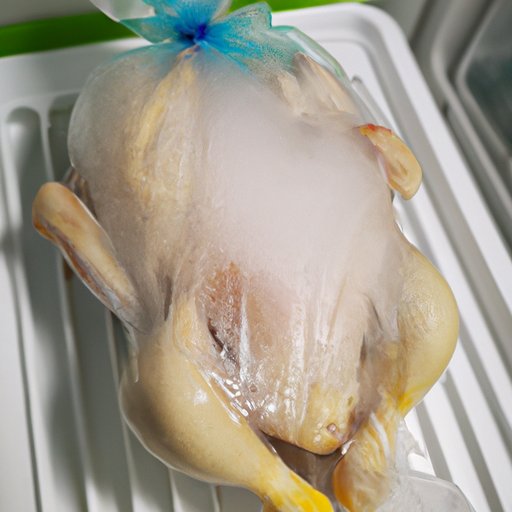
In order to preserve the freshness of your frozen chicken, there are a few basic rules you should follow. These include short-term and long-term storage, as well as proper packaging and labeling.
Basic Rules
The first rule is to always use airtight containers or bags when freezing chicken. Additionally, make sure to label the containers or bags with the date they were frozen. This will help you determine how long the chicken has been in the freezer and whether or not it is still safe to eat.
Short-Term and Long-Term Storage
When it comes to short-term storage, make sure to keep your chicken in the coldest part of the freezer. This will help to prevent spoilage and ensure that the chicken stays fresh for as long as possible. For long-term storage, make sure to use airtight containers or bags, as well as label them with the date they were frozen.
Conclusion
When it comes to freezing chicken, there are a few things to keep in mind in order to maximize its shelf-life. Proper packaging and labeling, temperature control, and separating raw and cooked chicken are all key to ensuring your chicken stays fresh in the freezer. Additionally, following the do’s and don’ts of refrigerating chicken, as well as preserving freshness when freezing, can help to ensure that your chicken stays safe to eat.
Overall, freezing chicken is a great way to extend its shelf-life and preserve its flavor and texture. With the right techniques and best practices, you can keep your frozen chicken fresh for up to one year. By following the tips outlined in this article, you can ensure that your chicken stays fresh and safe to eat.
(Note: Is this article not meeting your expectations? Do you have knowledge or insights to share? Unlock new opportunities and expand your reach by joining our authors team. Click Registration to join us and share your expertise with our readers.)