
Introduction
Breast milk is a nutrient-rich fluid that is produced by a mother’s body to nourish her newborn baby. It is widely considered to be the best source of nutrition for infants, as it contains all the essential vitamins, minerals, and antibodies needed for optimal growth and development. However, it is also highly perishable, so it’s important to know how long you can safely keep it out of the refrigerator or freezer.
How Long Does Breast Milk Last Out of the Refrigerator?
The shelf life of breast milk varies depending on several factors, including the temperature of the room, the storage container, and whether it has been frozen. Generally, fresh breast milk can remain at room temperature for up to four hours, but it is best to refrigerate it immediately after pumping or feeding.
Factors that Impact the Shelf Life of Breast Milk
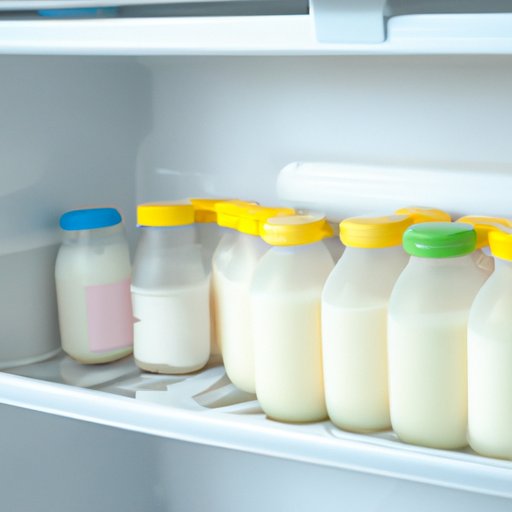
When stored properly in a clean, sealable container, breast milk can last for up to eight days in the refrigerator and up to six months in the freezer. The temperature of the room and the storage container will also affect the shelf life of breast milk, with warmer temperatures leading to a shorter shelf life.

How Long Breast Milk Can Safely Stay Out
It is generally recommended that breast milk not stay out of the refrigerator for more than four hours. If left out for longer than four hours, it should be discarded. In addition, if the breast milk has been heated or warmed, it should only be kept out for two hours before being discarded.
Safely Storing and Using Breast Milk
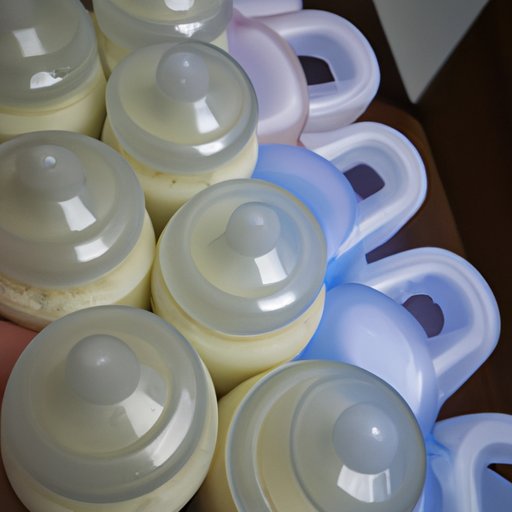
When storing breast milk, it is important to use a clean, sealable container that is specifically designed for storing breast milk. Glass or hard plastic containers are preferred, as they are less likely to leach chemicals into the milk. Breast milk can be stored in the refrigerator for up to eight days or in the freezer for up to six months.
When using breast milk, it is important to follow safe reheating guidelines. Breast milk should never be microwaved, as this can cause hotspots that can burn a baby’s mouth. Instead, the milk should be thawed slowly in warm water or in the refrigerator overnight. Once thawed, the milk should be used within 24 hours.

How to Know When Breast Milk Has Spoiled
There are a few signs that breast milk has gone bad. These include a sour smell, a change in color, or clumping. If any of these signs are present, the milk should be discarded immediately.
Tips for Keeping Breast Milk Fresh
There are several steps that can be taken to ensure that breast milk stays fresh and safe for consumption. These include:
- Refrigeration: Breast milk should always be stored in the refrigerator or freezer as soon as possible after pumping or feeding.
- Freezing: Breast milk can be frozen for up to six months. To avoid waste, it is best to pre-measure the milk into individual portions before freezing.
- Pre-measuring: Pre-measuring the milk into individual portions before freezing can help minimize waste and make it easier to thaw just the right amount for each feeding.
- Labeling: It is important to label each container of breast milk with the date it was pumped or collected. This will help ensure that the oldest milk is used first.
The Dangers of Leaving Breast Milk Out Too Long
Leaving breast milk out for too long can increase the risk of contamination from bacteria, viruses, and other microorganisms. This can cause a variety of illnesses in infants, including diarrhea, vomiting, and fever. In some cases, it can even lead to more serious complications such as meningitis.
Conclusion
Breast milk is an incredibly nutritious and beneficial food for infants. However, it is highly perishable and must be stored properly in order to remain safe and fresh. Breast milk should never be left out for more than four hours and should be discarded if it has been heated or warmed. By following the proper storage and reheating guidelines, mothers can ensure that their babies are getting the best nutrition possible.
(Note: Is this article not meeting your expectations? Do you have knowledge or insights to share? Unlock new opportunities and expand your reach by joining our authors team. Click Registration to join us and share your expertise with our readers.)