
Introduction
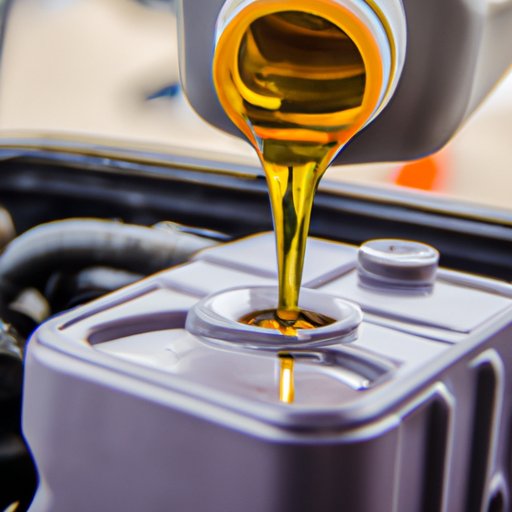
An oil change is a routine maintenance procedure that helps keep your vehicle running smoothly. It involves draining out the old oil from the engine, replacing it with new oil, and replacing any other necessary components such as oil filters. Regular oil changes are essential for keeping your engine clean and lubricated, and for preventing wear and tear on its internal parts.
When it comes to oil changes, many drivers are unsure of how long they can go without one. This article will explore the benefits and risks of extending your oil change interval, as well as the role of driving conditions, synthetic oils and technology in helping you monitor your vehicle’s oil life.
Analyzing the Benefits and Risks of Extending Your Oil Change Interval
Before deciding how long you can go without an oil change, there are several factors to consider. These include the type of oil used in your vehicle, the age of the engine, the manufacturer’s recommended service interval, and your driving habits. Depending on these factors, you may be able to extend your oil change interval beyond the manufacturer’s recommendation.
There are several potential benefits of extending your oil change interval. For one, it can save you money in the long run, since you won’t need to pay for a full oil change as often. Additionally, it can reduce the amount of time you spend visiting the mechanic, which can free up more time for other activities. Finally, it can help reduce waste, since fewer oil changes mean fewer used oil containers.
However, there are also potential risks associated with extending your oil change interval. If you don’t change your oil regularly, dirt and debris can build up in your engine, leading to increased wear and tear. Additionally, older oil can become thicker and less effective at lubricating the engine, leading to decreased performance. Finally, if you wait too long between oil changes, you could cause permanent damage to your engine.

Exploring the Impact of Driving Conditions on How Long You Can Go Without an Oil Change
The type of driving you do can also affect how long you can go without an oil change. If you mainly drive in the city, your oil will break down faster due to the frequent starts and stops. On the other hand, highway driving generally causes less strain on the engine, so you can extend your oil change interval a bit longer. Additionally, extreme temperatures (both hot and cold) can cause the oil to break down more quickly, so you may want to consider shorter oil change intervals in these conditions.
If you often tow or haul heavy loads, this can also increase the strain on your engine, leading to faster oil breakdown. In this case, you may want to consider shorter oil change intervals. Additionally, if you use your vehicle for off-roading or racing, you’ll need to adjust your oil change interval accordingly.

Comparing the Recommendations of Different Automotive Manufacturers for Oil Change Intervals
Each automotive manufacturer has different recommendations for oil change intervals. It’s important to follow their guidelines, as they are tailored to your specific vehicle model. Generally speaking, the manufacturer’s recommended service interval will be the safest option, but you may be able to extend it slightly depending on your driving habits and other factors.
In addition to the manufacturer’s recommendation, there are other suggested intervals based on driving conditions. For example, if you drive mainly in the city, you may want to opt for shorter oil change intervals than the manufacturer recommends. On the other hand, if you mostly drive on highways, you may be able to extend your oil change interval a bit longer.

Examining the Effects of Using Synthetic Oils on Oil Change Intervals
Using synthetic oils can also affect your oil change interval. Synthetic oils are designed to last longer and provide better protection for your engine. As a result, they can help extend your oil change interval beyond what the manufacturer recommends. However, it’s important to note that synthetic oils can be more expensive than regular oils, so you’ll need to weigh the cost against the potential benefits.
Additionally, some experts suggest that using synthetic oils can lead to sludge buildup in the engine. While this is usually not a major issue, it can still lead to decreased performance and increased wear and tear on the engine over time. Therefore, it’s important to consider all the pros and cons before deciding whether or not to use synthetic oils.
Investigating the Role of Technology in Helping Drivers Monitor Their Vehicle’s Oil Life
In recent years, technology has been developed to help drivers monitor their vehicle’s oil life. Many modern cars have sensors that measure the oil quality and alert the driver when it’s time for an oil change. While this can be a useful tool, it’s important to remember that it doesn’t always provide an accurate reading. Additionally, it doesn’t take into account other factors such as driving conditions and the type of oil used in the vehicle.
Overall, relying solely on technology to monitor your vehicle’s oil life can be risky. It’s important to be aware of the other factors mentioned in this article, such as the type of oil used, the age of the engine, and your driving habits. Doing so will help ensure that you get the most out of your oil change interval and keep your vehicle running smoothly.
Conclusion
In conclusion, there are both benefits and risks associated with extending your oil change interval. Factors such as the type of oil used, the age of the engine, the manufacturer’s recommended service interval, and your driving habits should all be taken into account when deciding how long you can go without an oil change. Additionally, technology can be used to help monitor your vehicle’s oil life, but it’s important to remember that it doesn’t always provide an accurate reading.
To determine the optimal oil change interval for your vehicle, it’s best to consult with a qualified mechanic. They can offer advice on the best oil and oil change interval for your specific vehicle model and driving conditions. Following their advice will help keep your vehicle running smoothly and prevent any unexpected problems.
(Note: Is this article not meeting your expectations? Do you have knowledge or insights to share? Unlock new opportunities and expand your reach by joining our authors team. Click Registration to join us and share your expertise with our readers.)