
Introduction
Freezing bread is a great way to extend its shelf life and keep it fresh for longer. But how long can you freeze bread before it starts to lose quality? In this article, we’ll answer that question and provide a comprehensive guide to freezing bread for maximum freshness and taste.
A Step-by-Step Guide to Freezing Bread
Before freezing your bread, there are several steps you should take to ensure it stays fresh and delicious. Here’s a step-by-step guide to freezing bread:
Preparing Bread for Freezing
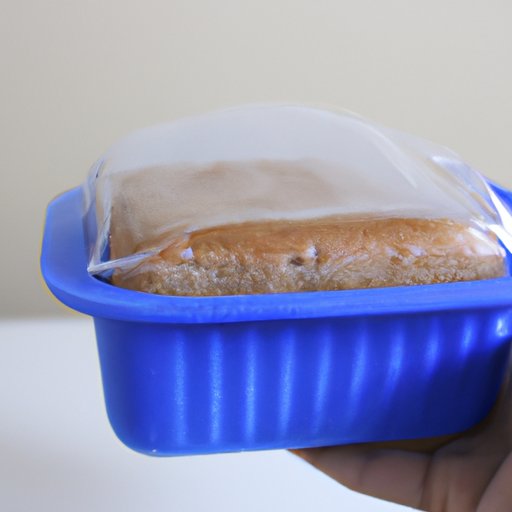
The first step in freezing bread is to prepare it for the freezer. Start by slicing the bread into individual servings or pieces. This will make it easier to thaw and use later. Then, wrap each slice or piece in plastic wrap or an airtight container. This will help protect the bread from freezer burn and maintain its freshness.
Packing and Labeling Frozen Bread
Once the bread is wrapped and prepared, you can begin packing it for the freezer. Place the wrapped slices or pieces into a resealable plastic bag. Make sure the bag is labeled with the date it was frozen and the type of bread. This will make it easier to find and use later.
Storing Frozen Bread
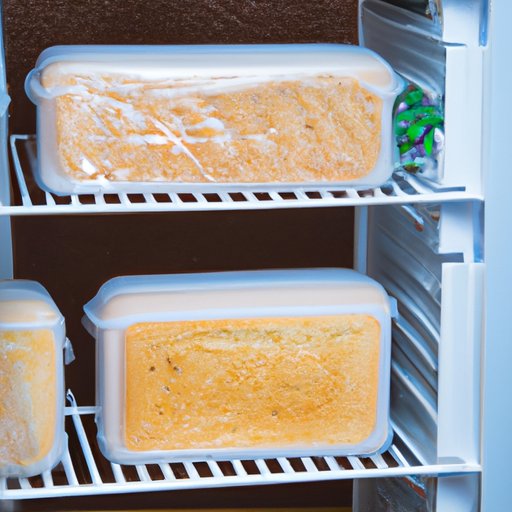
When storing frozen bread, it’s important to keep it at a consistent temperature. The ideal temperature for storing frozen bread is 0°F (-18°C). This will ensure the bread maintains its freshness and flavor for as long as possible.
The Benefits of Freezing Bread and How Long it Lasts
There are many benefits to freezing bread, including extended shelf life and nutritional value. Here’s a look at some of the benefits of freezing bread and how long it lasts.
Nutritional Benefits of Frozen Bread
Freezing bread helps preserve its nutritional value. When frozen correctly, bread retains most of its nutrients, including vitamins and minerals. This makes frozen bread a great option for those looking to get the most nutrition out of their food.
Shelf Life of Frozen Bread
Another benefit of freezing bread is its extended shelf life. When stored properly, frozen bread can last up to 6 months without losing any of its freshness or flavor. This makes it a great option for those who don’t have time to bake fresh bread every week.
How to Freeze Bread for Maximum Freshness and Taste
To ensure your frozen bread retains its freshness and flavor, there are several tips you should follow. Here’s a look at some of the best tips for successful freezing:
Tips for Successful Freezing
- Slice the bread into individual servings or pieces before freezing.
- Wrap each slice or piece in plastic wrap or an airtight container.
- Place the wrapped slices or pieces into a resealable plastic bag.
- Label the bag with the date it was frozen and the type of bread.
- Store the frozen bread at 0°F (-18°C).
Common Mistakes to Avoid When Freezing Bread
- Not slicing the bread before freezing.
- Using a non-airtight container or wrapping.
- Not labeling the bag with the date and type of bread.
- Storing frozen bread at higher temperatures.
How to Defrost Frozen Bread without Losing Quality
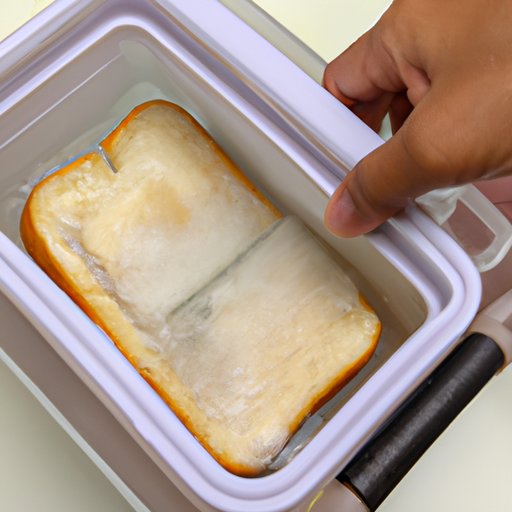
When it comes time to use your frozen bread, it’s important to defrost it properly. Here’s a look at different methods of defrosting frozen bread and tips for maintaining quality:
Different Methods of Defrosting Frozen Bread
- Letting the bread sit at room temperature for several hours.
- Placing the bread in the refrigerator overnight.
- Wrapping the bread in damp paper towels and microwaving it on low power.
Tips for Maintaining Freshness and Taste
- Don’t let the bread sit at room temperature for too long.
- Don’t let the bread thaw completely before using it.
- If using the microwave method, check the bread frequently to avoid overcooking.
How to Store Frozen Bread for Long-Term Storage
When storing frozen bread for long-term storage, there are several things you should keep in mind. Here’s a look at proper temperature and humidity levels and wrapping techniques for long-term storage:
Proper Temperature and Humidity Levels
To ensure your frozen bread stays fresh and delicious for up to 6 months, it’s important to store it at a consistent temperature. The ideal temperature for storing frozen bread is 0°F (-18°C). It’s also important to keep the humidity level within 40–50%. This will help prevent freezer burn and keep the bread tasting fresh.
Wrapping Techniques for Long-Term Storage
When storing frozen bread for long-term storage, it’s important to use the right wrapping technique. To do this, wrap the bread tightly in a layer of aluminum foil and then place it in a resealable plastic bag. This will help keep out moisture and air, which can cause freezer burn and spoilage.
What Types of Bread Can Be Frozen?
Most types of bread can be frozen, but some may require special considerations. Here’s a list of breads that can be frozen and tips for freezing different types:
List of Breads That Can Be Frozen
- White bread
- Whole wheat bread
- Rye bread
- Sourdough bread
- Bagels
- English muffins
- Hamburger buns
- Pita bread
Special Considerations for Different Types of Bread
Some types of bread may require special considerations when freezing. For example, sourdough bread should be frozen after it has cooled completely. This will help retain its texture and flavor. Bagels and English muffins should also be frozen individually, as they tend to stick together when frozen in bulk.
Conclusion
Freezing bread is a great way to extend its shelf life and keep it fresh for longer. With the right preparation and storage techniques, you can freeze bread and enjoy it for up to 6 months without losing any of its freshness or flavor. Just remember to slice the bread before freezing, pack and label it correctly, and store it at 0°F (-18°C). Most types of bread can be frozen, but some may require special considerations.
(Note: Is this article not meeting your expectations? Do you have knowledge or insights to share? Unlock new opportunities and expand your reach by joining our authors team. Click Registration to join us and share your expertise with our readers.)