
Introduction
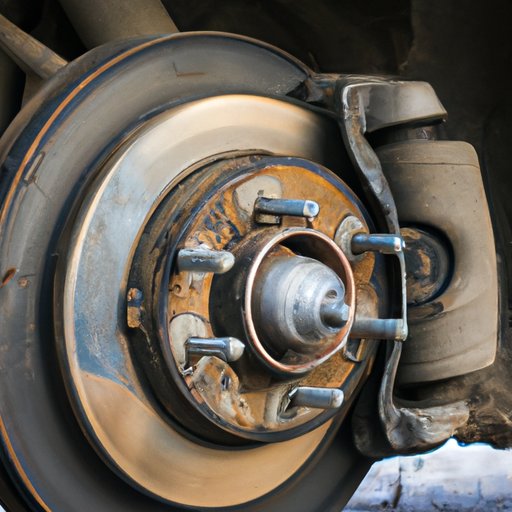
A wheel bearing is an essential component in a vehicle’s suspension system. It is responsible for supporting the weight of the vehicle and ensuring that the wheels rotate smoothly. Over time, wheel bearings can become worn out due to age or wear and tear, resulting in a failure of the vehicle’s suspension system.
If your wheel bearing has failed, it’s important to know how long you can drive with a bad wheel bearing before it causes further damage or leads to an accident. In this article, we will explore the effects of driving with a bad wheel bearing, how to diagnose a faulty wheel bearing, and the dangers of driving with a damaged wheel bearing.

How to Determine if You Need to Replace Your Wheel Bearing
One of the first signs of a damaged wheel bearing is an increase in vibration or noise coming from the wheels. If you feel any sort of shaking or hear any unusual noises while driving, it could be a sign that your wheel bearing is in need of replacement. In addition, uneven tire wear may also indicate a problem with the wheel bearing.
It’s best to have a professional mechanic inspect your vehicle if you suspect that your wheel bearing is damaged. They can check for any visible signs of wear or damage and advise you on the best course of action.

The Effects of Driving with a Bad Wheel Bearing
Driving with a bad wheel bearing can cause a number of problems. A damaged wheel bearing can affect the performance of your vehicle, as the wheels will not be able to rotate freely. This can lead to reduced acceleration, braking, and cornering ability, making your vehicle more difficult to control.
In addition, a bad wheel bearing can make your vehicle more prone to accidents. The decreased performance of your vehicle means it is more likely to skid or slide when cornering, increasing the risk of an accident.

Tips on How to Diagnose a Faulty Wheel Bearing
If you suspect that your wheel bearing is damaged, there are several steps you can take to diagnose the issue. First, examine the wheel bearing for any visible signs of damage such as cracks or breaks in the metal. Next, listen for any unusual noises coming from the wheels. Finally, check for any uneven tire wear which may indicate a problem with the wheel bearing.
What Are the Symptoms of a Failing Wheel Bearing?
If your wheel bearing is beginning to fail, there are several symptoms you should look out for. These include grinding or squealing noises coming from the wheels, vibration from the wheels, and loose steering. If you notice any of these symptoms, it’s important to have your vehicle inspected by a professional mechanic as soon as possible.
How Long Can You Drive with a Bad Wheel Bearing?
While it is possible to drive with a damaged wheel bearing, it’s not recommended. The short-term effects of driving with a bad wheel bearing include decreased performance and increased risk of accident. In the long-term, a damaged wheel bearing can lead to more serious issues such as axle failure, tire blowouts, and even engine failure.
The amount of time you can drive with a bad wheel bearing will depend on the severity of the damage. If the damage is minor, you may be able to drive for a few hundred miles without any major issues. However, if the damage is severe, you may only be able to drive for a few dozen miles before needing to have the wheel bearing replaced.
The Dangers of Driving with a Damaged Wheel Bearing
Driving with a damaged wheel bearing can be dangerous, as it increases the risk of an accident. If the wheel bearing fails completely, it can cause the wheel to lock up, leading to a loss of control of the vehicle. In addition, the failure of the wheel bearing can cause other components of the vehicle to fail, such as the axle or the brakes.
In some cases, driving with a damaged wheel bearing can even lead to injury. For example, if the wheel locks up suddenly, it can cause the driver to lose control of the vehicle and crash. Additionally, the increased vibration caused by a damaged wheel bearing can cause fatigue and distraction, which can lead to an accident.
Conclusion
A wheel bearing is an important part of a vehicle’s suspension system, and it’s essential to have it checked regularly. If you suspect that your wheel bearing is damaged, it’s important to have it inspected and repaired as soon as possible. Driving with a bad wheel bearing can lead to decreased performance and increased risk of accident, and can even lead to injury.
(Note: Is this article not meeting your expectations? Do you have knowledge or insights to share? Unlock new opportunities and expand your reach by joining our authors team. Click Registration to join us and share your expertise with our readers.)