
Introduction
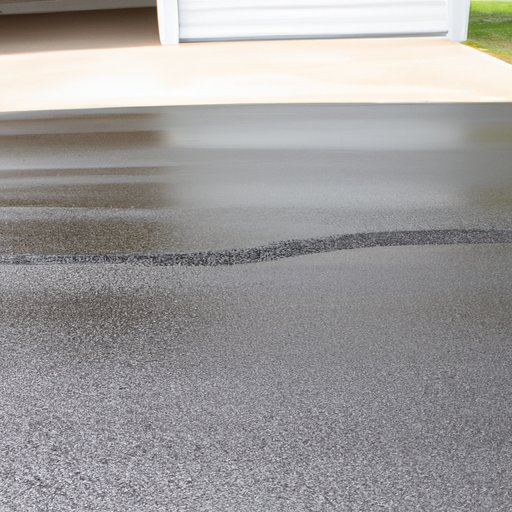
Sealing a driveway is an important step in protecting it from damage caused by weather, salt, and dirt. But once you’ve sealed your driveway, when can you drive on it? In this article, we’ll explore how long after sealing your driveway you can drive on it, as well as provide tips for ensuring your driveway is ready to drive on.
The Basics of Sealing a Driveway and When You Can Drive On It
Sealing a driveway is a process that involves applying a protective sealant to the surface of your driveway. This sealant helps protect the driveway from wear and tear caused by weather, salt, and dirt. There are several different types of sealants available, including acrylic, asphalt, and epoxy sealants. Each type has its own advantages and disadvantages, so it’s important to research which type is best for your needs.
Before applying sealant, it’s important to prepare your driveway by cleaning off any dirt or debris. This ensures that the sealant will adhere properly to the driveway surface. Once the sealant has been applied, it’s important to wait before driving on it. The amount of time you need to wait depends on the type of sealant you used, the temperature, and other factors.
How Long Should You Wait to Drive on Your Newly Sealed Driveway?
It’s important to wait at least 24 hours before driving on your newly sealed driveway. However, some sealants may require up to 48 hours to cure completely. Asphalt sealants typically take the longest to cure, while acrylic sealants usually cure more quickly. The temperature also plays a role in how long it takes for the sealant to cure, so it’s important to check the forecast before sealing your driveway.
In addition, the condition of the sealant is another factor to consider. If the sealant has been applied too thickly, it may take longer to cure than if it had been applied correctly. For this reason, it’s important to inspect the sealant before driving on it to make sure it’s cured properly.
What You Need to Know About Driving on a Newly Sealed Driveway
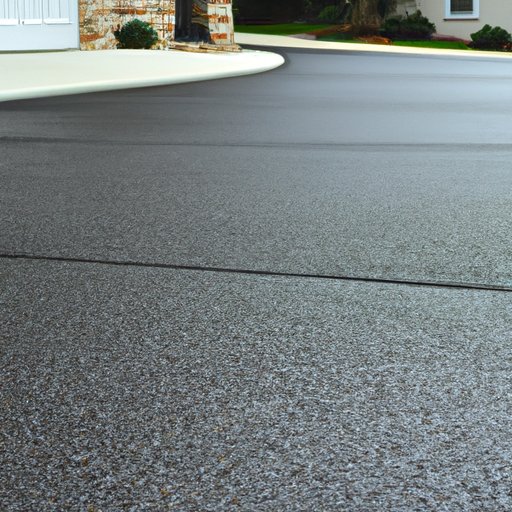
When driving on a newly sealed driveway, it’s important to take extra caution. Avoid sharp turns, sudden stops, and speeding. These can cause damage to the sealant and reduce its lifespan. Additionally, avoid parking in the same spot for long periods of time as this can also cause damage to the sealant.
It’s also important to avoid using harsh chemicals or abrasive cleaners on the sealant. These can cause the sealant to break down over time, reducing its effectiveness. Instead, use a gentle cleaner such as dish soap and water to clean the sealant.
Tips for Ensuring Your Driveway Is Ready to Drive On After Sealing
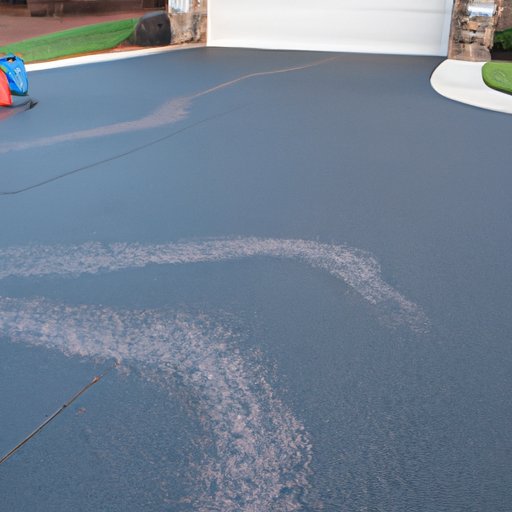
Once you’ve sealed your driveway, there are a few steps you can take to ensure it’s ready to drive on. First, inspect the sealant for any cracks or holes. If you find any, it’s best to reseal the area before driving on it. Next, check the forecast for any rain or snow in the next few days. If there’s a chance of precipitation, it’s best to wait until it passes before driving on the sealant.
Finally, it’s important to clean up any debris or dirt that may have accumulated on the sealant. This can help prevent the sealant from breaking down over time due to dirt and debris. Once you’ve done all of these steps, you can be sure that your driveway is ready to drive on.
How Long Should You Wait Before Driving on a Newly Sealed Driveway?
On average, you should wait at least 24 hours before driving on a newly sealed driveway. However, the actual amount of time you need to wait can vary depending on the type of sealant used, the temperature, and other factors. It’s important to inspect the sealant for cracks or holes, check the forecast for rain or snow, and clean up any debris before driving on the sealant.
What to Expect After Sealing Your Driveway and When You Can Drive On It
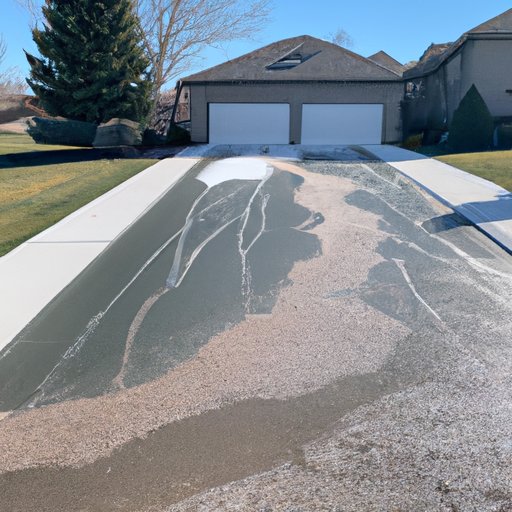
Sealing your driveway can help protect it from wear and tear caused by weather, salt, and dirt. It can also help improve the curb appeal of your home. However, it’s important to wait at least 24 hours before driving on the sealant, and in some cases up to 48 hours. By following the tips outlined in this article, you can ensure that your driveway is ready to drive on after sealing.
Conclusion
Sealing a driveway is an important step in protecting it from damage. However, it’s important to wait at least 24 hours before driving on the sealant. Different types of sealants require different amounts of time to cure, and the temperature can also affect the curing time. Additionally, it’s important to inspect the sealant for cracks or holes and clean up any debris before driving on it. By following these tips, you can ensure that your driveway is ready to drive on after sealing.
(Note: Is this article not meeting your expectations? Do you have knowledge or insights to share? Unlock new opportunities and expand your reach by joining our authors team. Click Registration to join us and share your expertise with our readers.)