
Introduction
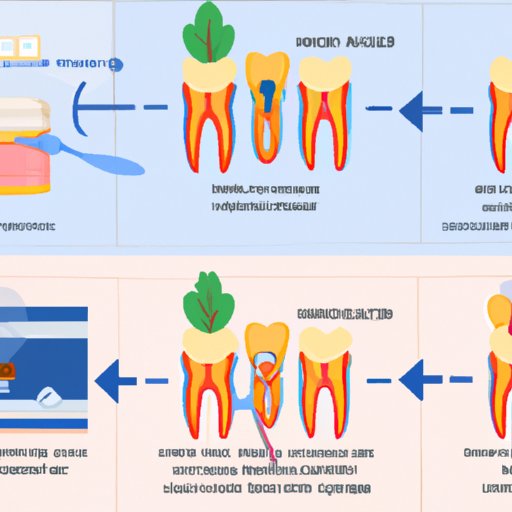
A root canal procedure is a dental treatment used to repair and save a tooth that has been damaged by decay, infection, or injury. During the procedure, the nerve and pulp of the tooth are removed and the inside of the tooth is cleaned and sealed. Although it may seem intimidating, a root canal can actually help relieve pain and prevent further damage to the tooth.
This article explores how long after a root canal procedure you can expect to wait before you can eat again. We will look at the factors that affect the timeline, immediate post-procedure care, and considerations for nutrition after the procedure.
Exploring the Timeline: How Long After a Root Canal Can You Eat?
The timeline for eating after a root canal varies from person to person and depends on a few different factors. According to the American Association of Endodontists (AAE), the amount of time it takes for the tooth to heal after a root canal can range from a few days to several weeks. The type of restoration that was done during the procedure, as well as any preexisting health conditions, can also affect the timeline.
Immediately following the procedure, it is important to take extra care of your mouth. Your dentist may recommend that you avoid eating or drinking anything for a few hours after the procedure. This will give your body time to adjust and start the healing process.

Eating After a Root Canal: What to Expect
After a root canal, it is common to experience some pain and swelling in the area around the treated tooth. Your dentist may prescribe medication to alleviate these symptoms. It is important to follow all instructions provided by your dentist when taking any medications.
You should also avoid certain foods, such as hard, crunchy, or chewy foods, as these can irritate the area and cause further pain. Foods that are too hot or cold can also be uncomfortable, so it is best to stick to lukewarm meals and beverages for the first few days.
When is it Safe to Eat Again After a Root Canal?
Although the exact timeline for eating after a root canal varies, there are some signs that you can look out for that indicate that it is safe to start eating again. These include reduced pain and swelling, improved mobility of the jaw, and an overall feeling of comfort in the area.
Once you are comfortable enough to eat again, it is important to start with soft foods. Soft foods like mashed potatoes, yogurt, oatmeal, soup, applesauce, and scrambled eggs are easy to chew and swallow and won’t irritate the area.
A Guide to Eating After a Root Canal Procedure
Nutrition is an important part of the recovery process after a root canal procedure. Eating a balanced diet rich in vitamins and minerals can help speed up the healing process and keep your teeth and gums healthy. Foods high in calcium, such as dairy products, green leafy vegetables, and nuts, are especially beneficial.
Your dentist may also recommend taking certain supplements to help with healing. Vitamin C and zinc are two supplements that can help support the healing process. Talk to your dentist about which supplements are right for you.
Navigating Nutrition After a Root Canal: What You Need to Know
It is important to get adequate amounts of vitamins and minerals after a root canal procedure. Calcium, vitamin D, and phosphorus are all essential for maintaining healthy teeth and bones. Iron, magnesium, and vitamin B12 are also important for keeping your energy levels up and boosting your immune system. Eating a variety of whole foods can help you meet your nutritional needs.
Supplements can also be beneficial for people who are unable to get enough vitamins and minerals from their diet. A multivitamin can help provide additional nutrients that may be missing from your diet. Talk to your dentist or doctor about which supplements are right for you.
Conclusion
Undergoing a root canal procedure can be a stressful experience, but understanding the timeline for eating after the procedure can help reduce some of the anxiety. Factors such as the type of restoration and preexisting health conditions can affect the timeline, but most people can expect to wait a few days before they can eat again. It is important to take extra care of your mouth immediately following the procedure and to start with soft foods when it is time to eat again. Eating a balanced diet and taking the right supplements can also help support the healing process.
(Note: Is this article not meeting your expectations? Do you have knowledge or insights to share? Unlock new opportunities and expand your reach by joining our authors team. Click Registration to join us and share your expertise with our readers.)