

Introduction
Exercising is an important part of a healthy lifestyle, but when it comes to working out after eating, there is some debate about the best way to do it. Should you wait a certain amount of time after eating before exercising? What are the benefits and risks associated with exercising right after eating? This article will explore these questions in greater detail to help you determine the best timing for your post-meal workouts.
Benefits of Working Out After Eating: How Long Should You Wait?
Exercising after eating can provide several benefits, including improved digestion, increased energy, and better performance during your workout. However, it is important to consider the timing of your workout, as well as other factors such as your nutritional intake and the intensity of the workout. Let’s take a closer look at each of these considerations.
Considerations Before Working Out
Before beginning any type of physical activity, it is important to consider your own individual needs. Depending on your general health and fitness level, you may need to adjust the timing of your workout or the intensity of the exercise. For example, if you have recently eaten a large meal, you may want to wait longer before beginning your workout to allow your body more time to digest the food.
Timing of Workout
When it comes to working out after eating, there is no one-size-fits-all solution. Generally speaking, it is recommended to wait at least 30 minutes after eating before beginning a light to moderate workout. If you plan to engage in a high-intensity workout, you may want to wait up to two hours after eating, as this will give your body time to process the food and convert it into energy.
What to Consider Before Working Out After Eating
In addition to the timing of your workout, there are several other factors to consider before exercising after eating. These include your nutritional intake, the intensity of the workout, and your individual needs.
Nutritional Intake
The type and amount of food you eat before a workout can make a big difference in your performance. It is important to choose nutrient-dense foods that will provide your body with the fuel it needs to power through your workout. Eating complex carbohydrates, lean proteins, and healthy fats can help to sustain your energy levels during your workout.
Intensity of Workout
The intensity of your workout will also affect the timing of your post-meal workout. High-intensity workouts like running or weightlifting require more energy than low-intensity activities like walking or yoga. Therefore, if you plan to engage in a more intense workout, it is best to wait longer after eating before beginning your workout.
Individual Needs
Your individual needs should also be taken into consideration when deciding when to work out after eating. People who have digestive issues, diabetes, or heart conditions may need to wait longer after eating before engaging in physical activity. If you have any medical conditions, it is best to consult with your doctor before beginning any type of physical activity.
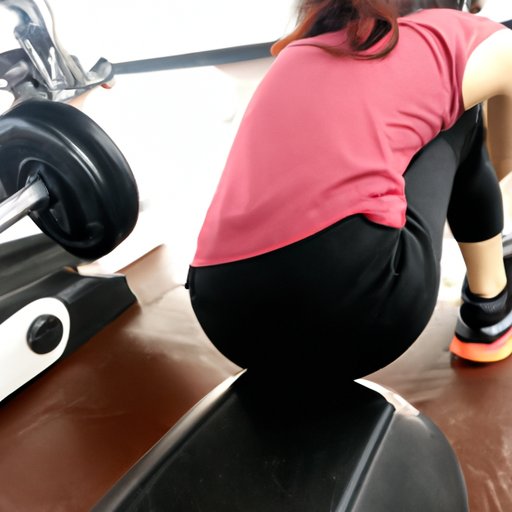
The Best Time to Exercise After Eating
Now that we’ve discussed the considerations before working out after eating, let’s look at the pros and cons of exercising immediately after eating. On the one hand, exercising immediately after eating can help to improve digestion and boost energy levels. On the other hand, it can also put unnecessary strain on your digestive system and lead to abdominal cramps, nausea, and other stomach discomfort.
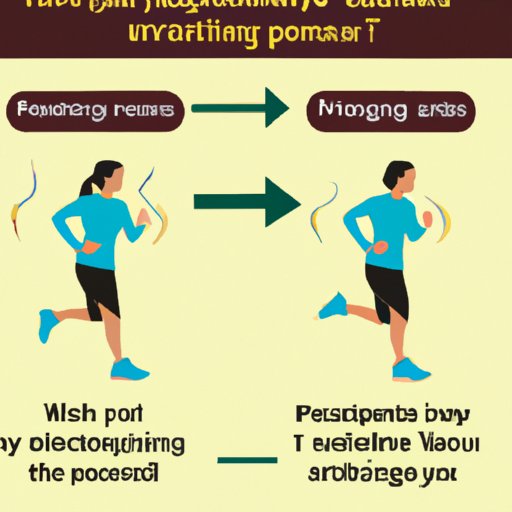
Pros and Cons of Exercising Immediately After Eating
The pros of exercising immediately after eating include improved digestion, increased energy, and better performance during your workout. However, the cons of exercising too soon after eating include stomach discomfort, nausea, and indigestion. Ultimately, the decision of when to exercise after eating should be based on your individual needs and the intensity of the workout.
Optimal Timing for Different Types of Exercises
The optimal timing for different types of exercises can vary depending on the intensity of the workout. For light to moderate workouts, such as walking or yoga, it is generally recommended to wait at least 30 minutes after eating before beginning your workout. For high-intensity workouts, such as running or weightlifting, it is best to wait up to two hours after eating before beginning your workout.
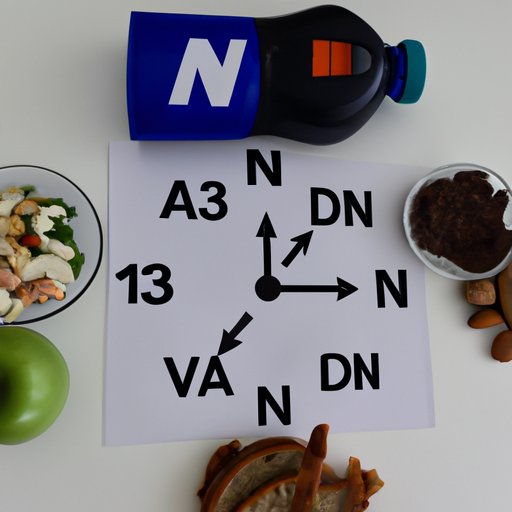
How Nutrition Affects Your Workout Timing
In addition to the timing of your workout, it is also important to consider the type and amount of food you eat before a workout. Eating the right types of foods can help to provide your body with the fuel it needs to power through your workout. Macronutrients, such as carbohydrates, proteins, and fats, can provide your body with the energy it needs to perform at its best. Micronutrients, such as vitamins and minerals, can help to support your overall health and wellness.
Conclusion
Exercising after eating can provide several benefits, including improved digestion, increased energy, and better performance during your workout. However, it is important to consider the timing of your workout, as well as other factors such as your nutritional intake and the intensity of the workout. For light to moderate workouts, it is generally recommended to wait at least 30 minutes after eating before beginning your workout. For high-intensity workouts, it is best to wait up to two hours after eating before beginning your workout. Finally, it is important to consider the types of foods you eat before a workout in order to ensure that your body has the fuel it needs to power through your workout.
In summary, working out after eating can provide several benefits, but it is important to consider the timing of your workout, as well as other factors such as your nutritional intake and the intensity of the workout. By taking these factors into account, you can ensure that you get the most out of your post-meal workouts.
(Note: Is this article not meeting your expectations? Do you have knowledge or insights to share? Unlock new opportunities and expand your reach by joining our authors team. Click Registration to join us and share your expertise with our readers.)