
Introduction
For many people, exercise is an important part of their daily routine. But when it comes to timing it just right, they may not be sure when is best to work out after eating. While some people may think that exercising immediately after eating is the most beneficial, others may think that waiting a certain amount of time is better. So, how long after eating can you workout?
In this article, we’ll explore the impact of food on workout performance and discuss the pros and cons of exercising immediately after eating. We’ll also look at the science behind working out after eating to understand the evidence and determine the best course of action.
The Impact of Food on Workout Performance: How Long After Eating Should You Wait?
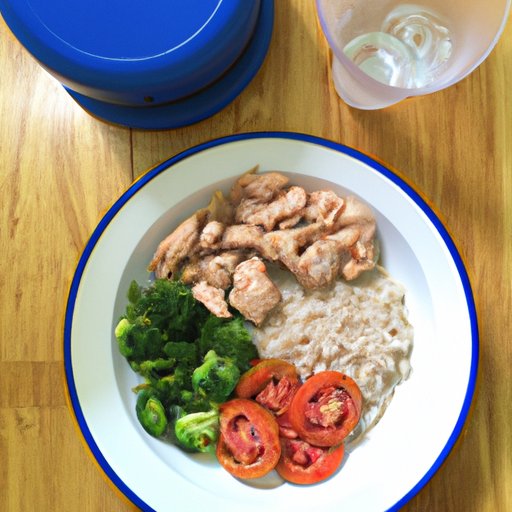
To understand how long after eating you should wait before working out, it’s important to understand the digestive process. When you eat, your body begins to break down the food into smaller molecules that can be used by your cells for energy. The process of digestion takes anywhere from two to four hours, depending on the type of food you ate.
Different types of food have different effects on your workout performance. For example, foods high in protein and carbohydrates will take longer to digest than simple sugars. Complex carbohydrates, such as whole grains, will take even longer because they contain fiber. This means that if you eat a meal high in protein and complex carbohydrates, it could take up to four hours for your body to digest it completely.
Working Out After Eating: What Are the Benefits and Drawbacks?
When it comes to working out after eating, there are both benefits and drawbacks. On one hand, working out after eating can give you more energy for your workout because your body has access to the nutrients from the food. On the other hand, exercising too soon after eating can cause cramping, bloating, and nausea.
Pros of Working Out After Eating
One of the biggest benefits of working out after eating is that your body has access to the nutrients from the food, which can provide more energy for your workout. According to a study conducted by the American Council on Exercise, “participants who consumed a carbohydrate-rich meal prior to exercise had significantly greater endurance compared to those who didn’t eat anything.”
Cons of Working Out After Eating
On the other hand, exercising too soon after eating can cause cramping, bloating, and nausea. This is because your body needs to focus its energy on digesting the food, rather than on your workout. According to Dr. Edward R. Laskowski, a physical medicine and rehabilitation specialist, “Your body works hard to digest a meal, and when you add exercise to the mix, you’re asking it to do two challenging activities at once.”
When Is the Best Time to Exercise After Eating?
So, when is the best time to exercise after eating? While there is no one-size-fits-all answer, the general consensus is that you should wait at least two to three hours after eating a meal before exercising. This gives your body enough time to digest the food and convert it into energy for your workout.
Exploring the Ideal Time Frame
The ideal time frame for working out after eating depends on several factors, including the type of food you ate and how much you ate. If you ate a large meal containing protein and complex carbohydrates, it’s best to wait at least three to four hours before exercising. If you ate a smaller meal or snack containing simple sugars, you can probably get away with waiting one to two hours before working out.
Factors That Affect the Optimal Time
In addition to the type and quantity of food you ate, there are other factors that can affect the optimal time to exercise after eating. These include your age, activity level, and medical conditions. As you get older, your digestive system becomes less efficient, so it may take longer for your body to digest food. Additionally, if you have a medical condition such as diabetes, you may need to adjust your eating and exercise schedule accordingly.
Understanding the Effects of Working Out Too Soon After Eating
Working out too soon after eating can put you at risk for several potential health issues. These include abdominal cramps, nausea, and vomiting. It can also cause dehydration, which can lead to dizziness and fatigue. Additionally, it can increase your risk of developing gastrointestinal distress, such as heartburn or acid reflux.
Potential Risks of Exercising Immediately After Eating
Exercising immediately after eating can put strain on your digestive system, which can lead to abdominal cramps, nausea, and vomiting. It can also impair your ability to concentrate and cause dehydration, which can lead to dizziness and fatigue.
Strategies for Avoiding Those Risks
If you want to avoid the risks associated with exercising too soon after eating, there are several strategies you can employ. First, make sure to drink plenty of fluids before and during your workout. This will help keep your body hydrated and prevent dehydration. Second, try to eat smaller meals or snacks before exercising. This will give your body enough time to digest the food before you start your workout.
The Pros and Cons of Exercising Immediately After Eating
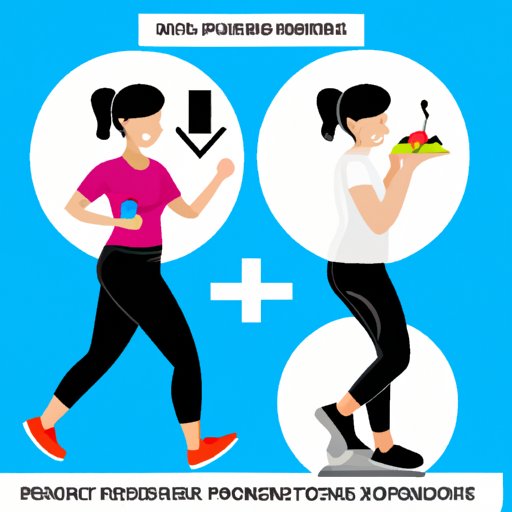
While there are both pros and cons to exercising immediately after eating, it’s important to weigh them carefully before deciding what’s best for you. Here are some of the main advantages and disadvantages of exercising immediately after eating.
Benefits of Exercising Immediately After Eating
One of the main benefits of exercising immediately after eating is that your body has access to the nutrients from the food, which can provide more energy for your workout. Additionally, exercising immediately after eating can help reduce hunger and cravings, which can be helpful if you’re trying to lose weight.
Challenges of Exercising Immediately After Eating
On the other hand, there are several challenges associated with exercising immediately after eating. These include abdominal cramps, nausea, and vomiting, as well as dehydration and an increased risk of gastrointestinal distress. Additionally, exercising too soon after eating can impair your ability to concentrate and perform at your best.
The Science Behind Working Out After Eating: What Does the Research Say?
So, what does the research say about working out after eating? Several studies have been conducted to examine the effects of exercising immediately after a meal. In one study, researchers found that exercising immediately after eating did not have any adverse effects on blood sugar levels or cardiovascular performance.
Examining the Evidence
In another study, researchers found that exercising immediately after a meal did not increase the risk of gastrointestinal distress. Furthermore, they found that it was not associated with any adverse effects on blood sugar levels or cardiovascular performance. However, they did note that exercising after a meal can cause an increase in heart rate and blood pressure.
Implications of the Findings
Overall, the findings suggest that exercising immediately after a meal is safe and can be beneficial in terms of providing more energy for the workout. However, it’s important to note that the effects of exercising after a meal can vary from person to person, so it’s best to experiment to find the best time for you.
Exploring the Ideal Time Frame for Working Out After Eating
So, what is the ideal time frame for working out after eating? While there is no one-size-fits-all answer, the general consensus is that you should wait at least two to three hours after eating a meal before exercising. This gives your body enough time to digest the food and convert it into energy for your workout.
Considerations for Choosing the Right Time
When choosing the right time to exercise after eating, it’s important to consider several factors, including the type of food you ate, how much you ate, your age, activity level, and any medical conditions you may have. Additionally, it’s important to listen to your body and pay attention to how you feel after eating. If you feel bloated or uncomfortable, wait a bit longer before starting your workout.
Recommendations for Finding the Best Time for You
If you’re unsure about the best time for you to exercise after eating, the best thing to do is experiment. Try exercising at different times after eating and pay attention to how your body feels. This will help you determine the best time for you to exercise after eating.
Conclusion
In conclusion, it’s important to understand the impact of food on workout performance and the pros and cons of exercising immediately after eating. The ideal time frame for working out after eating depends on several factors, including the type of food you ate and how much you ate. Additionally, it’s important to understand the potential risks of exercising too soon after eating and to employ strategies for avoiding them. Finally, the science behind working out after eating suggests that it is safe and can be beneficial, but it’s important to experiment to find the best time for you.
Summary of Key Points
It’s important to understand the impact of food on workout performance and the pros and cons of exercising immediately after eating. The ideal time frame for working out after eating depends on several factors, including the type of food you ate and how much you ate. Additionally, it’s important to understand the potential risks of exercising too soon after eating and to employ strategies for avoiding them. Finally, the science behind working out after eating suggests that it is safe and can be beneficial, but it’s important to experiment to find the best time for you.
Final Takeaways
When it comes to working out after eating, it’s important to understand the impact of food on workout performance and the pros and cons of exercising immediately after eating. Additionally, it’s important to understand the potential risks of exercising too soon after eating and to employ strategies for avoiding them. Finally, the science suggests that it is safe and can be beneficial, but it’s important to experiment to find the best time for you.
(Note: Is this article not meeting your expectations? Do you have knowledge or insights to share? Unlock new opportunities and expand your reach by joining our authors team. Click Registration to join us and share your expertise with our readers.)