
Introduction
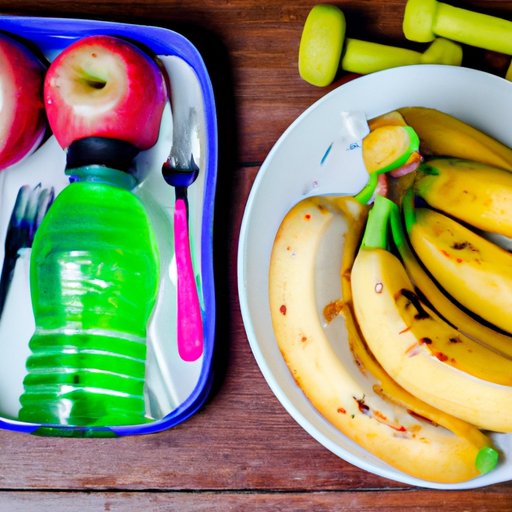
Exercising is an important part of a healthy lifestyle, but many people are unsure of when to exercise in relation to their meals. Although it’s generally recommended to wait at least an hour or two after eating before starting a workout, there are some circumstances in which exercising shortly after eating may be beneficial. In this article, we’ll explore the benefits and guidelines for exercising after eating, as well as strategies for optimizing your workout performance.
What to Consider Before Exercising After Eating
When deciding how long to wait after eating before exercising, it’s important to consider the type of food you’ve consumed. Different foods take different amounts of time to digest, so it’s best to avoid high-fat or high-fiber foods right before a workout. According to registered dietitian Sarah Krieger, “If you eat a meal that is higher in fat, it takes longer to digest, so you want to give it more time before exercising.”
In addition, it’s important to pay attention to your own individual response to different foods. Some people may find that they have more energy after eating a high-carbohydrate meal, while others may feel sluggish. Experimenting with different types of food before a workout can help you determine which foods work best for you.
Guidelines for Safely Exercising After Eating
Although it’s generally recommended to wait at least an hour or two after eating before starting a workout, there are some circumstances in which exercising shortly after eating may be beneficial. For example, if you’re participating in a long endurance event such as a marathon or triathlon, it may be beneficial to consume some carbohydrates during the event. This can help keep your energy levels up and prevent fatigue. However, it’s important to remember that consuming large amounts of food immediately before exercising can lead to gastrointestinal distress such as nausea, cramping, and diarrhea.
In general, it’s best to wait at least 30 minutes after eating a light snack and two hours after eating a full meal before exercising. If you’re not sure how your body will respond to a particular food, it’s best to err on the side of caution and wait a bit longer before starting your workout.

Tips for Optimizing Workout Performance After Eating
While waiting the recommended amount of time after eating before beginning a workout can help you optimize your performance, there are also some strategies you can use to maximize your energy levels during and after exercise. First, it’s important to stay hydrated. Drinking plenty of fluids before, during, and after exercise can help keep your energy levels up and prevent dehydration.
In addition, it’s important to make sure you’re consuming enough calories throughout the day. According to sports nutritionist Nancy Clark, “If you’re exercising and not getting enough calories, your body isn’t going to have the energy to perform at its best.” You should also consider timing your meals to ensure you’re consuming enough carbohydrates and protein throughout the day. Eating a balanced meal containing carbs, protein, and healthy fats about two hours before a workout can help you optimize your performance.
The Pros and Cons of Exercising Immediately After Eating
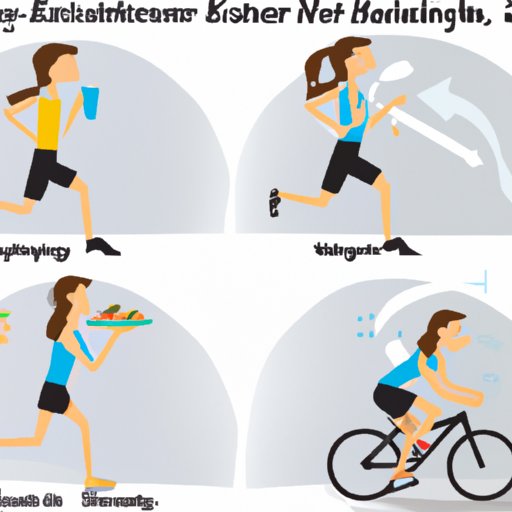
Although it’s generally not recommended to exercise immediately after eating, there are some potential benefits to doing so. For example, exercising shortly after eating may help improve digestion and reduce bloating. Additionally, exercising soon after a meal can help prevent hunger pangs and cravings later in the day.
On the other hand, there are some risks associated with exercising shortly after eating. For example, exercising too soon after eating can cause gastrointestinal distress, such as nausea and cramping. Additionally, exercising too soon after eating can cause blood to be diverted away from the digestive system, which can lead to indigestion. Therefore, it’s important to wait until your body is fully digested before beginning a workout.
Strategies for Managing Hunger During Post-Meal Exercise
If you don’t have time to wait two hours after eating before beginning a workout, there are some strategies you can use to manage hunger during post-meal exercise. For example, eating a smaller meal or snack before exercising can help prevent hunger pangs. Additionally, drinking plenty of water before, during, and after exercise can help keep your energy levels up and prevent dehydration.
It’s also important to pay attention to your body’s signals. If you start to feel hungry during your workout, listen to your body and take a break to refuel. Eating a small snack can help keep your energy levels up and prevent fatigue.
Conclusion
Exercising after eating can be beneficial for both physical and mental health. It’s important to consider the type of food you’ve consumed and wait at least 30 minutes after eating a light snack and two hours after eating a full meal before starting a workout. Additionally, staying hydrated and consuming enough calories throughout the day can help optimize your workout performance. Finally, it’s important to pay attention to your body’s signals and take breaks to refuel if necessary.
Overall, exercising shortly after eating can be beneficial for some individuals, depending on their individual response to different foods. By following the guidelines outlined in this article, you can safely and effectively exercise after eating and optimize your workout performance.
(Note: Is this article not meeting your expectations? Do you have knowledge or insights to share? Unlock new opportunities and expand your reach by joining our authors team. Click Registration to join us and share your expertise with our readers.)