
An Overview of Environmental Science and Ecology
Environmental science and ecology are two closely related disciplines that focus on the study of the environment and its components. While they have overlapping areas of study, they are distinct fields with unique focuses. Understanding the differences between environmental science and ecology is essential for those interested in pursuing a career in either field.
Environmental science is defined as “the branch of science concerned with the physical, chemical, and biological processes that occur in the natural environment, and the effects of human activity on these processes.” It focuses on the interactions between humans and nature, and the ways in which human activities can affect the environment. The scope of environmental science includes topics such as climate change, pollution, resource management, sustainability, conservation, and more.
Ecology, on the other hand, is defined as “the scientific study of the relationships between living organisms and their environment.” It focuses on the interactions between living organisms and their environment, including the ways in which different species interact with each other and their surroundings. Ecology also examines the impact of human activities on ecosystems and the environment.
Exploring the Different Fields of Study
While environmental science and ecology are closely related disciplines, they have distinct areas of focus. Environmental science focuses on the impact of human activities on the environment, while ecology focuses on the interactions between living organisms and their environment.
Common areas of study in environmental science include air quality, water resources, energy sources, waste management, biodiversity, and conservation. It also encompasses the study of policy, law, economics, and sociology, as these all relate to human-environment interactions. Environmental scientists often use technology such as satellites, drones, and GPS systems to monitor and analyze environmental data.
Common areas of study in ecology include population dynamics, species interactions, habitat loss, climate change, and ecosystem services. Ecologists often conduct field studies to observe and measure the effects of human activities on ecosystems. They may also use technology such as remote sensing and geographic information systems (GIS) to analyze data.

Investigating the Impact of Human Activity on the Environment
Human activities have had a profound impact on the environment, from deforestation and overfishing to air and water pollution. These activities not only threaten the health of ecosystems, but can also have serious implications for human health and well-being. Environmental scientists and ecologists work to understand the effects of human activities on the environment, and develop strategies to reduce the impacts of these activities.
Examples of human impacts on the environment include deforestation, overfishing, air and water pollution, and climate change. These activities can lead to habitat destruction, disruption of food webs, changes in water quality, and an increase in greenhouse gases in the atmosphere. Additionally, these activities can have serious consequences for human health, such as respiratory illnesses, cancers, and other diseases.
Strategies for reducing human impact on the environment include using renewable energy sources, conserving natural resources, reducing waste, and practicing sustainable agriculture. Additionally, governments can implement policies to protect the environment, such as setting limits on emissions and creating protected areas for wildlife.
Examining the Role of Technology in Environmental Science and Ecology
Technology plays an important role in both environmental science and ecology. Environmental scientists use technology such as satellites, drones, and GPS systems to monitor and analyze environmental data. This data can be used to inform decision making and assess the impacts of human activities on the environment.
Technology is also used in ecology to study species interactions and monitor changes in habitats. Remote sensing and geographic information systems (GIS) are commonly used to map and analyze data. Additionally, ecologists use technology such as camera traps and radio tracking to observe and study animals in their natural habitats.
Understanding the Role of Education in Environmental Science and Ecology
Education is essential for understanding the complex issues facing the environment today. Those interested in pursuing a career in environmental science or ecology should consider enrolling in a degree program in either discipline. There are a variety of educational programs available, from two-year associate’s degrees to graduate-level doctoral programs.
Environmental science degree programs typically cover topics such as climate change, ecology, geology, hydrology, and air and water pollution. Students in these programs learn about the impact of human activities on the environment and develop skills in data analysis, policymaking, and communication. Ecology degree programs focus on the interactions between living organisms and their environment, covering topics such as population dynamics, species interactions, and ecosystem services.
Exploring the Interconnectedness of Environmental Science and Ecology
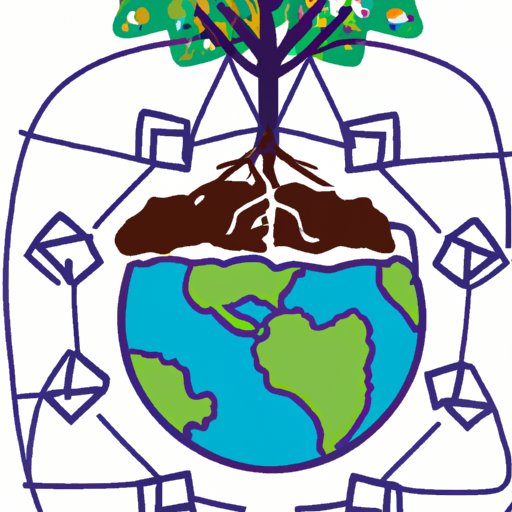
Environmental science and ecology are closely related disciplines, and studying both can provide valuable insights into the complexities of the environment. Environmental science provides a broad overview of human-environment interactions, while ecology focuses on the interactions between living organisms and their environment. By studying both disciplines, students gain a deeper understanding of the interconnectedness of the environment.
The connections between environmental science and ecology can be seen in the ways in which human activities affect the environment. For example, air and water pollution can have a negative impact on ecosystems, leading to changes in species populations and disruptions in food webs. Additionally, climate change can alter habitats and lead to extinctions.
Studying both environmental science and ecology provides a comprehensive understanding of the environment and its components. This knowledge can be used to inform decision making and develop strategies for protecting the environment and its inhabitants. By understanding the interconnectedness of the environment, we can create a more sustainable future.
(Note: Is this article not meeting your expectations? Do you have knowledge or insights to share? Unlock new opportunities and expand your reach by joining our authors team. Click Registration to join us and share your expertise with our readers.)