
Introduction
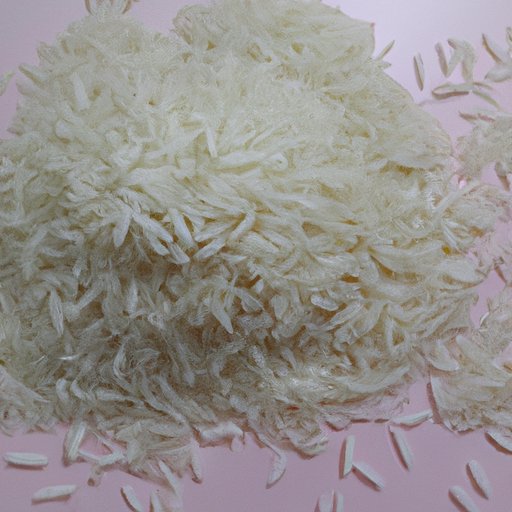
Rice is one of the world’s most consumed grains and is a staple in many cultures. It can be used as a side dish, main course, or even dessert. Rice comes in many varieties, each with its own unique taste, texture, and nutritional content. This article will explore the different types of rice, the health benefits they offer, and how to prepare them for optimum nutrition.

Overview of Rice and Its Health Benefits
Rice is a grain that is grown in many parts of the world. It is a low-fat, high-carbohydrate food that is rich in essential vitamins and minerals. Rice also contains various antioxidants, which are beneficial for health. It is an excellent source of energy and is a good choice for those looking to maintain a healthy weight.
Rice is also a great source of dietary fiber, which helps to regulate digestion and promote overall health. It is also gluten-free, making it a suitable alternative for those who cannot tolerate wheat products. Additionally, rice is easy to prepare and can be cooked in a variety of ways.

Benefits of Eating Rice: A Nutritional Overview
Rice is a nutritious food that offers several health benefits. It is rich in macronutrients, vitamins, minerals, and antioxidants. Here is a breakdown of some of the key nutrients found in rice:
Macronutrients Found in Rice
Rice is a good source of carbohydrates, providing about 21g per 100g serving. It also contains 2g of protein per 100g serving, making it a good source of plant-based protein. Rice is low in fat, providing only 0.4g per 100g serving.
Vitamins and Minerals Found in Rice
Rice is an excellent source of essential vitamins and minerals, including thiamin, niacin, folate, calcium, magnesium, and iron. It also contains a small amount of zinc, phosphorus, and potassium.
Antioxidants Found in Rice
Rice is a good source of antioxidants, which are molecules that help protect cells from damage caused by free radicals. The antioxidants found in rice include polyphenols, flavonoids, and phytic acid. These compounds may help reduce inflammation and protect against chronic diseases.

The Health Benefits of Different Types of Rice
There are three main types of rice: white, brown, and wild. Each type has its own unique flavor, texture, and nutritional content. Let’s take a look at the health benefits of each type.
White Rice
White rice is milled and polished to remove the bran and germ layers, resulting in a light, fluffy texture. It is easy to digest and is often used in dishes such as sushi and risotto. White rice is a good source of carbohydrates and provides 2g of protein per 100g serving. However, it is low in fiber and other essential nutrients.
Brown Rice
Brown rice is less processed than white rice and retains more of its nutrients. It has a nutty flavor and chewy texture. Brown rice is an excellent source of fiber and contains more vitamins and minerals than white rice. It also provides 4g of protein per 100g serving.
Wild Rice
Wild rice is a type of grass seed native to North America. It has a nutty flavor and chewy texture. Wild rice is higher in protein and fiber than white or brown rice and is also a good source of vitamins and minerals. It is also lower on the glycemic index than other types of rice.
How to Prepare Rice for Optimum Nutrition
To get the most nutritional benefit from your rice, it’s important to prepare it properly. Here are some tips for preparing rice:
Boiling Rice
To boil rice, add 1 cup of uncooked rice to 2 cups of boiling water. Cover the pot and reduce the heat to low. Simmer for 15-20 minutes, or until the water is absorbed and the rice is tender. Once the rice is cooked, fluff with a fork and serve.
Steaming Rice
To steam rice, add 1 cup of uncooked rice to 2 cups of boiling water in a steamer basket. Place the basket in a saucepan and cover with a lid. Reduce the heat to low and steam for 15-20 minutes, or until the water is absorbed and the rice is tender. Once the rice is cooked, fluff with a fork and serve.
Baking Rice
To bake rice, preheat the oven to 375°F. Add 1 cup of uncooked rice to 2 cups of boiling water in a baking dish. Cover the dish with aluminum foil and bake for 45 minutes, or until the water is absorbed and the rice is tender. Once the rice is cooked, fluff with a fork and serve.
Rice-Based Recipes for a Healthy Diet
Incorporating rice into your diet is a great way to get the nutritional benefits of this grain. Here are some delicious and healthy recipes using rice:
Vegetarian Meals with Rice
- Vegetable Fried Rice
- Vegan Burrito Bowls with Brown Rice
- Coconut Curry Rice Bowls
Asian-Inspired Rice Dishes
- Teriyaki Chicken and Rice
- Shrimp Fried Rice
- Kung Pao Chicken with White Rice
Mediterranean Rice Dishes
- Greek Rice Salad
- Spanish Paella
- Moroccan Vegetable and Rice Pilaf
What is the Glycemic Index of Rice?
The glycemic index (GI) is a measure of how quickly a food raises blood sugar levels. Foods with a high GI cause a rapid rise in blood sugar, while foods with a low GI cause a slower, steadier rise. Here is the glycemic index of different types of rice:
Glycemic Index of White Rice
White rice has a moderate glycemic index of 64. This means that it causes a slower rise in blood sugar than foods with a higher GI, such as white bread or candy.
Glycemic Index of Brown Rice
Brown rice has a lower glycemic index of 55. This indicates that it causes a slower rise in blood sugar than white rice.
Glycemic Index of Wild Rice
Wild rice has a low glycemic index of 53. This means that it causes a slower rise in blood sugar than both white and brown rice.
Does Brown Rice Have More Nutritional Value Than White Rice?
Brown rice does have more nutritional value than white rice. It is higher in fiber, vitamins, and minerals than white rice. It also has a lower glycemic index, which means that it causes a slower rise in blood sugar levels. On the other hand, white rice is easier to digest and may be a better option for those with sensitive stomachs.
How to Incorporate Rice into a Balanced Meal Plan
Incorporating rice into your diet is a great way to get the nutritional benefits of this grain. Here are some tips for creating balanced meals with rice:
Sources of Protein to Include in Rice Dishes
Adding sources of protein to your rice dishes is a great way to make them more filling and nutritious. Try adding beans, lentils, tofu, tempeh, or nuts to your rice dishes for a boost of plant-based protein.
Adding Fresh Vegetables and Fruits
Adding fresh vegetables and fruits to your rice dishes is an easy way to increase their nutrient content. Adding leafy greens, tomatoes, peppers, mushrooms, and other vegetables is a great way to boost the nutritional content of your meal.
Adding Healthy Fats
Adding healthy fats to your rice dishes is another great way to increase their nutritional value. Try adding nuts, seeds, avocado, olive oil, or coconut oil to your rice dishes for extra flavor and nutrition.
Conclusion
Rice is a versatile and nutritious grain that can be incorporated into a wide variety of dishes. There are three main types of rice – white, brown, and wild – and each type has its own unique flavor, texture, and nutritional content. Rice is a good source of carbohydrates, protein, vitamins, minerals, and antioxidants. It is also low in fat and gluten-free, making it a suitable alternative for those with dietary restrictions. When prepared properly, rice can be a nutritious addition to any meal plan.
(Note: Is this article not meeting your expectations? Do you have knowledge or insights to share? Unlock new opportunities and expand your reach by joining our authors team. Click Registration to join us and share your expertise with our readers.)