

Introduction
Oatmeal is one of the most popular breakfast options around the world. It is known for its rich flavor, creamy texture, and numerous health benefits. Oatmeal is made from hulled oat grains that have been ground, steel-cut, or rolled into flakes. The oats are then cooked in water or milk until they become soft and creamy.
Oatmeal has long been recognized as a nutritious food with many health benefits. It is packed with essential vitamins and minerals, as well as fiber and protein. Eating oatmeal can help to reduce cholesterol levels, improve digestion, and even aid in weight loss.
Benefits of Eating Oatmeal: A Comprehensive Look at the Healthiest Breakfast Option
Let’s take a closer look at the nutritional breakdown of oatmeal and all the health benefits it provides.
Nutritional Breakdown of Oatmeal
Oatmeal is an excellent source of essential vitamins and minerals, including magnesium, zinc, iron, and folate. It is also a great source of fiber, which helps to keep you feeling full and promotes healthy digestion. One cup of cooked oatmeal contains 4 grams of protein and 6 grams of fiber.
Heart Health Benefits of Oatmeal
Eating oatmeal on a regular basis can provide a number of heart health benefits. According to a study published in the American Journal of Clinical Nutrition, “Consumption of whole grain foods such as oatmeal may reduce the risk of coronary heart disease.” Oats contain beta-glucan, a type of soluble fiber that helps to reduce LDL (bad) cholesterol levels and can even help to lower blood pressure.
Potential Weight Loss Benefits of Oatmeal
Oatmeal is low in calories and high in fiber, which makes it an ideal food for weight loss. Eating oatmeal can help to keep you feeling full for longer and prevent overeating throughout the day. Additionally, oatmeal is a great source of complex carbohydrates, which provide sustained energy and help to keep your metabolism running smoothly.
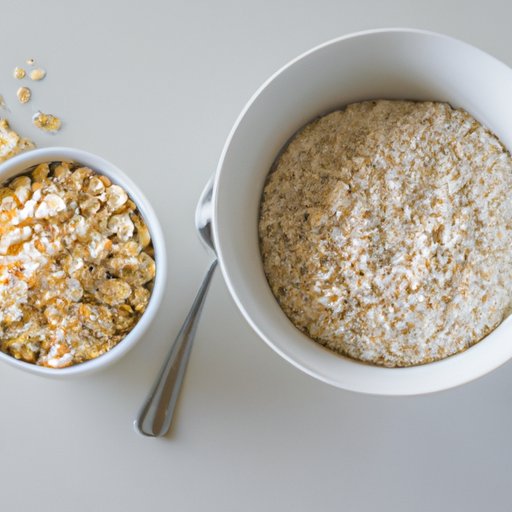
The Power of Oats: How Eating Oatmeal Can Lead to a Healthier Life
In addition to its potential weight loss benefits, eating oatmeal can provide a number of other health benefits. Let’s take a look at some of the ways oatmeal can help to improve your overall health.
How Oatmeal Helps to Reduce Cholesterol Levels
According to a study published in the European Journal of Clinical Nutrition, “Consumption of oats has been shown to reduce total cholesterol and LDL cholesterol levels.” Oats contain a type of soluble fiber called beta-glucan, which helps to bind cholesterol in the digestive tract and reduce its absorption. Additionally, oatmeal is low in saturated fat, which further helps to reduce cholesterol levels.
How Oatmeal Can Help to Improve Digestion
Oatmeal is a great source of dietary fiber, which is important for promoting healthy digestion. Fiber helps to speed up the movement of food through the digestive tract and can help to reduce constipation. Additionally, oatmeal contains prebiotics, which are beneficial bacteria that help to promote the growth of healthy gut bacteria.
How Oatmeal Can Boost Energy Levels
Oatmeal is a great source of complex carbohydrates, which provide sustained energy throughout the day. Complex carbs are digested more slowly than simple carbs, so they provide a steady stream of energy rather than a quick burst. Additionally, oatmeal is a good source of B vitamins, which are important for converting food into energy.
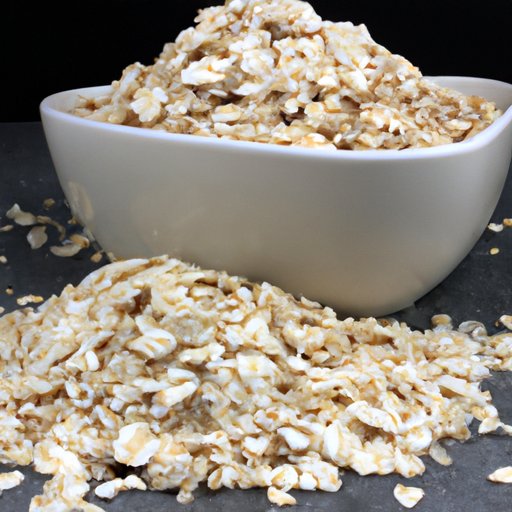
Oatmeal: A Superfood for Weight Loss and Improved Health
In addition to its nutritional benefits, oatmeal can also provide a number of health benefits. Let’s take a look at how oatmeal can help you achieve your weight loss goals and improve your overall health.
How Oatmeal Can Help With Weight Loss
Oatmeal is a great option for those looking to lose weight. It is low in calories and high in fiber, which can help to keep you feeling full for longer and prevent overeating. Additionally, the complex carbs found in oatmeal can help to keep your energy levels up throughout the day.
How Oatmeal Can Help to Control Blood Sugar Levels
Oats are a slow-digesting carbohydrate, which means they are broken down slowly and provide sustained energy. This can help to keep your blood sugar levels steady and prevent spikes in insulin. Additionally, the fiber found in oatmeal helps to slow the absorption of glucose, which further helps to regulate blood sugar levels.
How Oatmeal Can Help to Reduce Inflammation
Oats contain antioxidants, which can help to reduce inflammation in the body. Additionally, oats are a good source of magnesium, which helps to relax the muscles and reduce inflammation in the joints. Eating oatmeal can also help to reduce stress levels, which can further help to reduce inflammation.
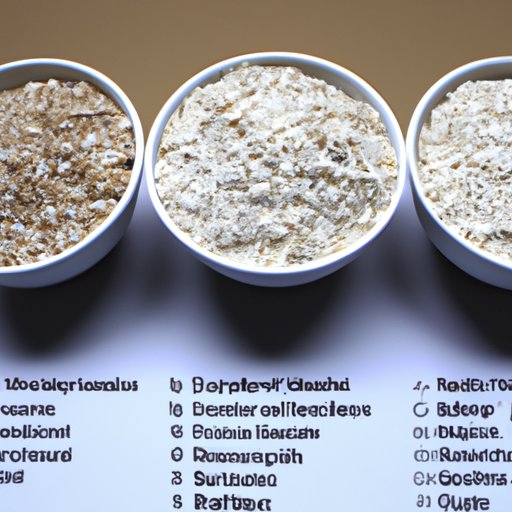
Oatmeal: A Nutritional Breakdown of this Delicious Food
Now that we’ve explored the health benefits of oatmeal, let’s take a look at its nutritional breakdown.
Essential Vitamins and Minerals Found in Oatmeal
Oatmeal is an excellent source of essential vitamins and minerals, including magnesium, zinc, iron, and folate. It is also a good source of B vitamins, which are important for converting food into energy. Additionally, oatmeal is a great source of potassium, which helps to regulate fluid balance and maintain healthy blood pressure levels.
Macronutrient Breakdown of Oatmeal
One cup of cooked oatmeal contains 4 grams of protein, 6 grams of fiber, and 8 grams of carbohydrates. Oatmeal is also low in fat, with only 2 grams per serving.
Calories Found in Oatmeal
One cup of cooked oatmeal contains about 150 calories. This makes oatmeal a great option for those looking to lose weight, as it is low in calories but still filling and satisfying.
Oatmeal: An Easy, Healthy Way to Start Your Day
Oatmeal is a quick and easy breakfast option that can provide a number of health benefits. Here are some tips for incorporating oatmeal into your diet.
Quick and Easy Ways to Make Oatmeal
Oatmeal is quick and easy to make. All you need is oats, water, and a microwave or stovetop. You can also add toppings such as fruit, nuts, or nut butter to add flavor and nutrition.
Different Types of Oatmeal Available
There are many different types of oatmeal available, including rolled oats, steel-cut oats, instant oats, and flavored oatmeal packets. Each type of oatmeal has its own unique texture and flavor, so experiment to find the one that works best for you.
Ideas for Topping Your Oatmeal
There are endless possibilities when it comes to topping your oatmeal. Try adding fresh or dried fruit, nuts, nut butter, yogurt, honey, or chocolate chips for a delicious and nutritious breakfast.
Conclusion
Oatmeal is an incredibly versatile and nutritious food that can provide a number of health benefits. From reducing cholesterol levels to aiding in weight loss, oatmeal is a great way to start your day. It is packed with essential vitamins and minerals, as well as fiber and protein. Eating oatmeal can help to improve your digestion, boost your energy levels, and even reduce inflammation.
If you’re looking for a quick and easy breakfast option that is packed with nutrition, oatmeal is the perfect choice. There are many different types of oatmeal available, so experiment with different flavors and toppings to find the one that works best for you.
So if you’re looking for a healthy and delicious breakfast option, look no further than oatmeal. Enjoy the power of this superfood and watch as it leads to improved overall health.
(Note: Is this article not meeting your expectations? Do you have knowledge or insights to share? Unlock new opportunities and expand your reach by joining our authors team. Click Registration to join us and share your expertise with our readers.)