
Introduction
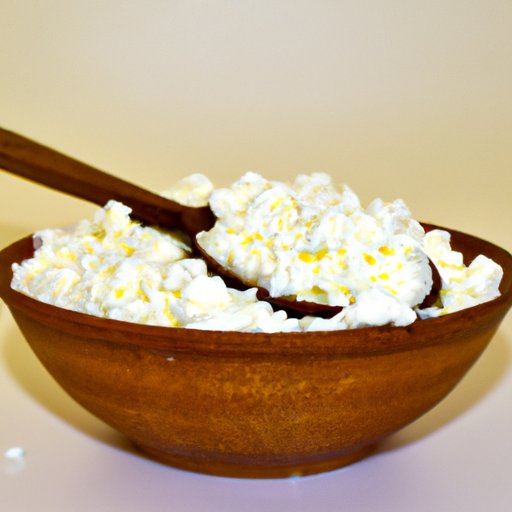
Cottage cheese has been a popular snack food and ingredient in recipes for many years. But is it actually healthy? This article will explore the nutritional benefits and potential side effects of eating cottage cheese, as well as examining how it can fit into a healthy diet.

Comparing Nutritional Benefits of Cottage Cheese to Other Cheeses
Cottage cheese is made from cow’s milk that has been pasteurized and then cultured. The milk is then curdled and strained to create the final product. Cottage cheese is high in protein and low in fat, making it a great option for those looking for a healthy snack or meal.
When comparing the nutritional values of different types of cheese, cottage cheese stands out as a healthier option. It contains fewer calories than most other cheeses, and it has less fat and more protein than many other varieties. It also contains important vitamins and minerals such as calcium, phosphorus, and vitamin B12.
Examining Health Benefits of Eating Cottage Cheese
Eating cottage cheese offers several health benefits. One of the most notable benefits is its high protein content. Protein is essential for muscle growth and repair, and it helps keep you feeling full for longer. Studies have also found that higher-protein diets can help with weight loss.
Cottage cheese is also low in fat, which makes it a healthier choice than many other cheeses. It is also a good source of calcium, which is important for strong bones and teeth, as well as digestive health. Eating cottage cheese can also help improve your cardiovascular health by lowering cholesterol levels.

Exploring Role Cottage Cheese Can Play in a Healthy Diet
Cottage cheese can be a great addition to a healthy diet. It is a source of high quality protein, which helps build and repair muscles. It can also be a useful tool for weight loss, as it is low in calories and fat. Plus, there are a variety of recipes that use cottage cheese, so you won’t get bored of eating the same thing every day.

Analyzing Macronutrients Found in Cottage Cheese
Cottage cheese contains a number of macronutrients, including carbohydrates, fats, and proteins. Carbohydrates provide energy, while fats provide essential fatty acids. Proteins are essential for building and repairing muscle tissue.
Cottage cheese contains about 5 grams of carbohydrates per serving, as well as 2 grams of fat and 11 grams of protein. It also contains small amounts of other essential nutrients such as calcium, phosphorus, and vitamin B12.
Discussing How Cottage Cheese Can Help with Weight Loss
Including cottage cheese in your diet can help with weight loss. Eating cottage cheese can help you feel fuller for longer, which can help prevent overeating. Additionally, because cottage cheese is low in calories, it can help you stay within your daily calorie limit. Finally, adding nutrient-dense foods like cottage cheese can help ensure that you are getting enough vitamins and minerals while still keeping your calorie count low.
Another way to use cottage cheese to help with weight loss is to practice calorie counting. By tracking your daily calorie intake, you can make sure that you are not consuming more calories than you need. Additionally, meal planning can help you make sure that you are eating a balanced and nutritious diet.
Investigating Possible Side Effects from Eating Cottage Cheese
Although cottage cheese is generally considered safe, there are some potential side effects to consider. Allergies to milk proteins can cause reactions when eating cottage cheese. Additionally, people who are lactose intolerant may experience digestive discomfort after eating cottage cheese.
Cottage cheese is also relatively high in sodium, which can be problematic for people with high blood pressure. If you are concerned about your sodium intake, opt for low-sodium varieties of cottage cheese.

Debating the Pros and Cons of Including Cottage Cheese in Your Diet
When debating the pros and cons of including cottage cheese in your diet, it is important to consider the nutritional benefits and potential side effects. Cottage cheese is a great source of protein and other important nutrients, and it can be a helpful tool for weight loss. However, it is relatively high in sodium and those with allergies or lactose intolerance should avoid it.
Conclusion
Overall, cottage cheese can be a healthy addition to your diet. It is a good source of high-quality protein and other essential nutrients, and it can be a helpful tool for weight loss. However, it is important to be aware of the potential side effects, such as allergies and lactose intolerance, as well as the relatively high sodium content.
In conclusion, cottage cheese can be a healthy option if consumed in moderation and with consideration of any potential side effects. Adding cottage cheese to your diet can help you meet your nutritional needs and reach your health goals.
(Note: Is this article not meeting your expectations? Do you have knowledge or insights to share? Unlock new opportunities and expand your reach by joining our authors team. Click Registration to join us and share your expertise with our readers.)