
Introduction
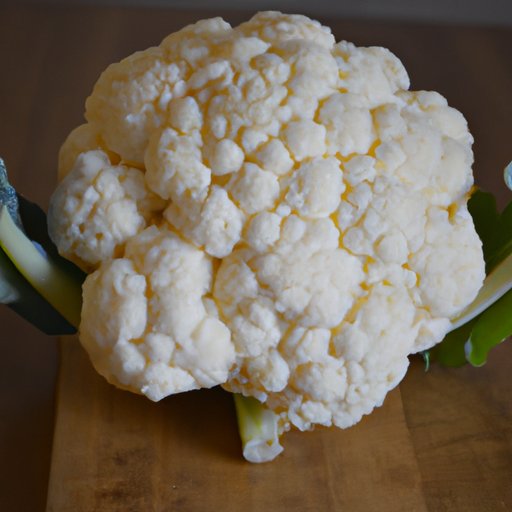
Cauliflower is an incredibly versatile vegetable that has been gaining popularity in recent years. It is a member of the cruciferous vegetable family, which also includes broccoli, Brussels sprouts, kale, and collard greens. Cauliflower is low in calories and packed with essential vitamins and minerals, making it an excellent choice for anyone looking to eat healthier.
In this article, we will explore the many health benefits of eating cauliflower and how to include it in your diet. We’ll also discuss how it can be used as a substitute for other vegetables, making it an even more nutritious addition to your meals.

Reasons to Include Cauliflower in Your Diet
Cauliflower is a powerhouse of nutrition. It is a great source of fiber, vitamin C, vitamin K, magnesium, manganese, phosphorus, and potassium. It is also a good source of folate, iron, zinc, and B vitamins. All of these nutrients play important roles in keeping your body functioning properly and maintaining optimal health.
One cup of cooked cauliflower contains just 25 calories, making it a great choice for those watching their weight. Plus, it is low in fat and carbohydrates, so it won’t contribute to weight gain. Cauliflower is also a great source of dietary fiber, which helps keep you full and aids in digestion.

Cooking with Cauliflower: Healthy Recipes
Cauliflower is incredibly versatile and can be used in many different ways. You can steam, roast, or sauté it, or even use it in soups and stews. You can also use it as a substitute for rice or potatoes in dishes like casseroles and stir-fries. It can also be pureed and used in place of mashed potatoes or added to smoothies for a nutritional boost.
If you’re looking for some inspiration, try these healthy recipes featuring cauliflower:
- Cauliflower Mac and Cheese
- Cauliflower Pizza Crust
- Cauliflower Fried Rice
- Cauliflower Soup
- Cauliflower Buffalo Wings
Cauliflower as a Substitute for Other Vegetables
Cauliflower can be used as a substitute for a variety of vegetables in dishes. For example, mashed cauliflower can be used in place of mashed potatoes, and roasted cauliflower can be used in place of roasted potatoes. You can also use cauliflower in place of rice in dishes like fried rice or risotto. This makes it easier to add more veggies to your meals without compromising on flavor.

Superfood Spotlight: The Many Health Benefits of Cauliflower
Cauliflower is a nutritional powerhouse. Not only is it low in calories and fat, but it is also high in fiber, vitamins, and minerals. Eating cauliflower regularly can help reduce inflammation, support heart health, and aid in digestion. It is also linked to a lower risk of certain cancers, such as breast cancer and colon cancer.
Conclusion
Cauliflower is a nutritious and delicious vegetable that can easily be incorporated into your meals. It is low in calories and fat, and high in vitamins, minerals, and dietary fiber. Eating cauliflower regularly can help reduce inflammation, support heart health, and aid in digestion. It can also be used as a substitute for other vegetables, making it an even more nutritious addition to your meals.
Cauliflower is a superfood that should not be overlooked. Whether you’re trying to eat healthier or just looking for new ways to get your veggies, adding cauliflower to your diet is a great way to reap the many benefits this veggie has to offer.
(Note: Is this article not meeting your expectations? Do you have knowledge or insights to share? Unlock new opportunities and expand your reach by joining our authors team. Click Registration to join us and share your expertise with our readers.)