

Introduction
Computer science is a field of study that encompasses the principles and applications of computing. It involves the design, development, and maintenance of software and hardware systems that enable computers to function. In recent years, computer science has had a major impact on the movie and television industry. From the development of computer-generated characters to the use of motion capture technology, computer science has revolutionized the way films and television shows are created.
An Analysis of the Evolving Role of Computer Science in Movie and Television Production
Computer science has been instrumental in the evolution of the movie and television industry. From the utilization of computer graphics and animation techniques to the creation of realistic special effects, computer science has enabled filmmakers to push the boundaries of what is possible. Additionally, the growing use of artificial intelligence has further expanded the possibilities for creating captivating content.
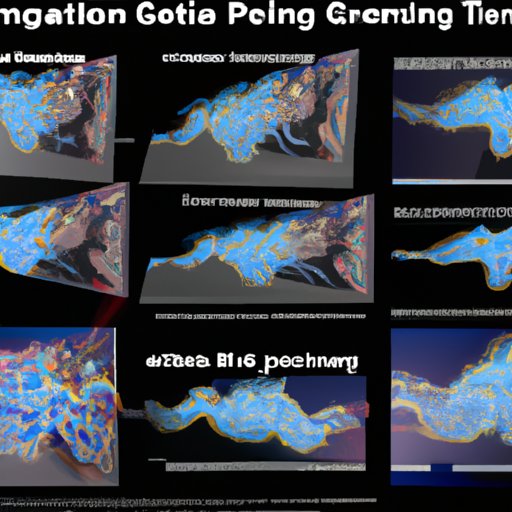
Exploring the Use of Computer Graphics and Animation Techniques in Movies and TV
Computer graphics and animation techniques have been used for decades in the creation of movies and television programs. These techniques allow filmmakers to create digital worlds that are indistinguishable from reality. The evolution of computer graphics and animation technology has enabled filmmakers to bring their visions to life in ways that were previously impossible.
Computer graphics and animation can be seen in some of the most popular films and television shows. For example, the critically acclaimed HBO series “Westworld” relies heavily on computer graphics and animation to create its dystopian landscape. Additionally, the blockbuster film “Avatar” utilized computer graphics and animation to create its vibrant alien world. These examples demonstrate the power of computer graphics and animation to create compelling stories.

How Computer Science Has Enabled the Creation of Realistic Special Effects in Film and Television
Computer science has also enabled the development of realistic special effects in film and television. Motion capture technology, which uses sensors to track an actor’s movements, has enabled filmmakers to create lifelike digital characters. Additionally, digital animation techniques, such as rotoscoping and 3D modeling, have enabled filmmakers to create detailed virtual environments.
These special effects can be seen in many popular films and television shows. For example, the hit HBO show “Game of Thrones” utilizes motion capture technology to create its fantastical creatures. Additionally, the blockbuster film “Avatar” utilizes digital animation techniques to create its stunning alien world. These examples demonstrate how computer science has enabled the creation of realistic special effects in film and television.
Examining the Impact of Computer-Generated Characters on the Entertainment Industry
Computer-generated characters have become increasingly prevalent in the entertainment industry. These characters, or CGI characters, are completely digital creations that can be used to portray any type of character. CGI characters are often used in place of human actors, enabling filmmakers to create any type of character they desire.
CGI characters have become ubiquitous in popular films and television shows. For example, the hit Disney+ show “The Mandalorian” features a CGI character known as “The Child”. Additionally, the blockbuster film “Avengers: Endgame” features a CGI version of the villain Thanos. These examples demonstrate how CGI characters have become commonplace in the entertainment industry.

Investigating the Growing Use of Artificial Intelligence in Filmmaking and Television Programming
Artificial intelligence (AI) is another area of computer science that is being utilized in the entertainment industry. AI is being used to develop scripts, generate story ideas, and even create entire films. Additionally, AI is being used to analyze audiences and determine what types of content they will find most engaging.
Examples of AI used in movies and television can be found throughout the industry. For example, the Netflix series “Altered Carbon” utilizes AI to create its complex storylines. Additionally, the hit film “Her” uses AI to explore themes of loneliness and connection. These examples demonstrate how AI is being used to create captivating content.
Conclusion
In conclusion, computer science has had a profound impact on the movie and television industry. From the development of computer-generated characters to the use of motion capture technology, computer science has revolutionized the way films and television shows are created. Additionally, the growing use of artificial intelligence has enabled filmmakers to create captivating content. As computer science continues to evolve, it will likely continue to have a major impact on the entertainment industry.
(Note: Is this article not meeting your expectations? Do you have knowledge or insights to share? Unlock new opportunities and expand your reach by joining our authors team. Click Registration to join us and share your expertise with our readers.)