
Introduction
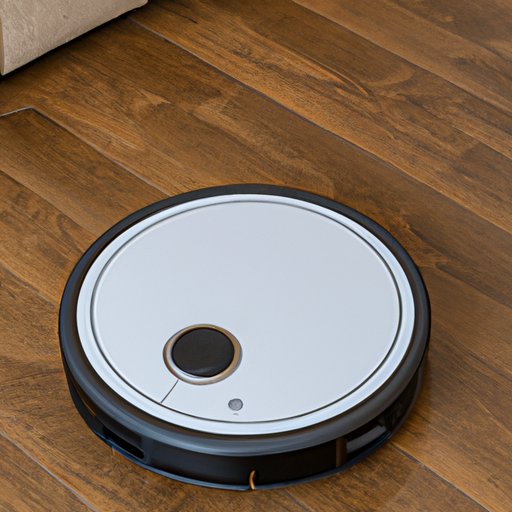
Robot vacuums have become increasingly popular in recent years, with many homeowners investing in this innovative tool for their home. But what exactly is a robot vacuum? And how does it work? In this article, we will explore the technology behind robot vacuums and how they work, as well as the different types available and the benefits of owning one.
Overview of the Technology Behind Robot Vacuums
Robot vacuums are autonomous cleaning devices that use sensors and software to navigate around a room and detect dirt and debris. They are typically small and cylindrical in shape and can be programmed to clean your home while you’re away or while you’re doing other tasks.
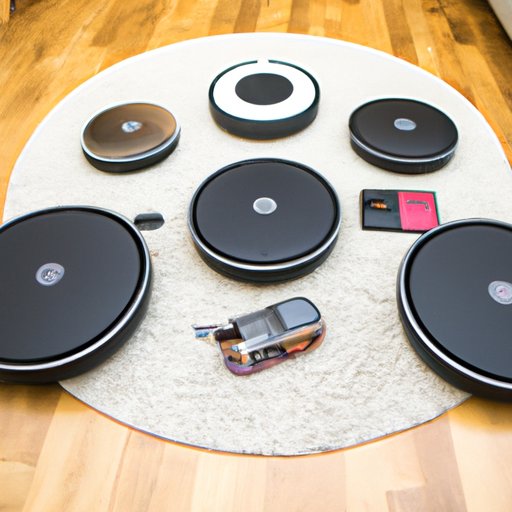
There are several different types of robot vacuums, each with its own set of features and capabilities. The most common types include those with self-emptying dustbins, those with a wet/dry system, and those that are designed for specific floor types.
To understand how robot vacuums work, it is important to explore the components of a typical robot vacuum. These components include:
- A motorized brushroll
- Sensors for detecting obstacles
- A dustbin for collecting debris
- A rechargeable battery
- A camera or laser-based navigation system
- Software for programming and controlling the robot
How Different Types of Robot Vacuums Work
The primary function of a robot vacuum is to move around a room and detect dirt and debris. To do this, the robot uses its motorized brushroll, sensors, dustbin, and camera or laser navigation system. The brushroll helps to agitate the carpet and loosen dirt and debris, which is then sucked up into the dustbin. The sensors help the robot detect obstacles and avoid them, while the camera or laser navigation system helps the robot chart its course around the room. Finally, the software allows the user to program the robot and control its movements.
Examples of different types of robot vacuums include:
- Self-emptying robot vacuums – These vacuums feature a large dustbin that can store up to several weeks’ worth of dirt and debris. They also have an automatic emptying station that periodically empties the dustbin.
- Wet/dry robot vacuums – These vacuums feature a water tank and a mop attachment that can be used to wet mop floors. They also feature a powerful suction system that can lift dirt and debris from carpets and hard floors.
- Floor-specific robot vacuums – These vacuums are designed specifically for use on carpets, hard floors, or both. They feature powerful suction systems and specialized brushes that are designed to optimize cleaning performance on the type of flooring.
The Benefits of Owning a Robot Vacuum
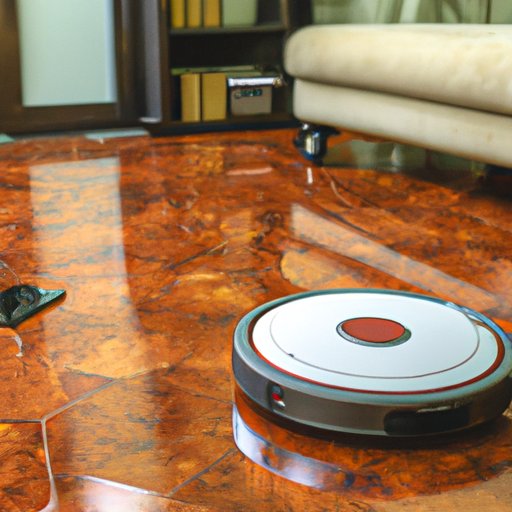
Robot vacuums offer many benefits to homeowners. One of the biggest benefits is increased convenience. With a robot vacuum, users don’t have to worry about pushing a heavy vacuum around the house or lugging a bulky vacuum up and down stairs. Instead, they can simply program their robot vacuum and let it do the work for them.
Robot vacuums also offer time savings. According to a study by the University of California San Diego, robotic vacuums can save an average of 15 minutes per cleaning session compared to manual vacuuming. This makes them ideal for busy households where time is at a premium.
Finally, robot vacuums offer improved cleaning results. Because robots are able to detect dirt and debris more effectively than humans, they can achieve better cleaning results. This means that your floors will look cleaner and brighter after every cleaning session.
Troubleshooting Common Problems with Robot Vacuums
Robot vacuums are relatively reliable, but like any electronic device, they can experience problems from time to time. Some of the most common problems include:
- Battery life – Over time, the battery life of a robot vacuum may decrease. This is normal, but if you find that your robot’s battery life is decreasing quickly, it may be time to replace the battery.
- Navigation issues – If your robot is having difficulty navigating around your home, it could be because there are objects blocking its path or because the sensors are dirty. Try removing any obstacles and cleaning the sensors to see if this helps.
- Stuck on objects – If your robot vacuum gets stuck on objects such as furniture legs or rugs, try lifting the object to free the robot. You can also try using duct tape to mark off areas that you don’t want your robot to enter.
How to Choose the Right Robot Vacuum for Your Home
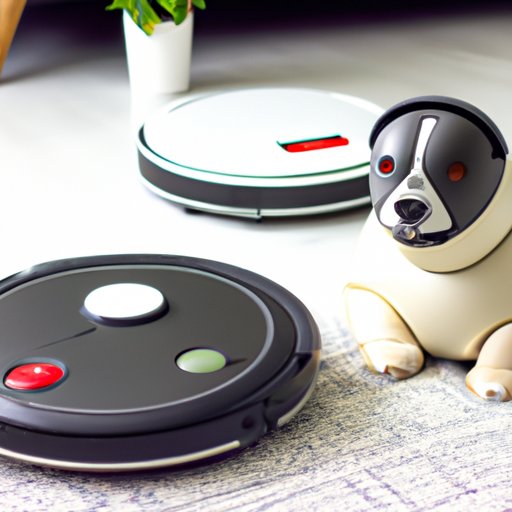
When choosing a robot vacuum, it is important to consider your home’s size and layout. Smaller homes may be better suited to smaller robots, while larger homes may require a larger model. It is also important to determine your budget and research features and options. Some models offer advanced features such as voice control or scheduling, while others may only offer basic functions.
Conclusion
Robot vacuums are becoming increasingly popular due to their convenience and time-saving benefits. Understanding the technology behind robot vacuums and how they work can help you choose the right model for your home. Robot vacuums offer increased convenience, time savings, and improved cleaning results, making them a great choice for busy households. When shopping for a robot vacuum, be sure to consider your home’s size and layout, your budget, and the features and options available.
(Note: Is this article not meeting your expectations? Do you have knowledge or insights to share? Unlock new opportunities and expand your reach by joining our authors team. Click Registration to join us and share your expertise with our readers.)