
Introduction
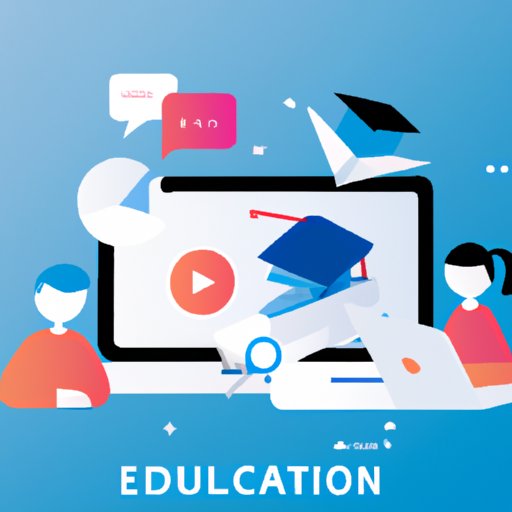
In today’s digital age, technology has become an integral part of learning. Technology-based learning, or “TBL”, is defined as any learning activity that utilizes technology in order to facilitate instruction and improve student engagement. Despite its potential benefits, many teachers are still hesitant to use technology in their classrooms due to a lack of understanding of how best to utilize it. This article will explore how technology engages students in learning and discuss strategies for integrating technology into the classroom.
Highlighting the Benefits of Technology in the Classroom
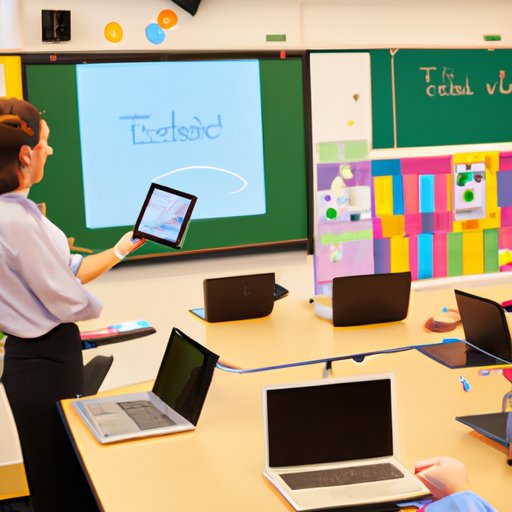
One of the primary advantages of using technology in the classroom is increased access to information. Technology provides students with immediate access to vast amounts of knowledge and resources, which can be used to enhance their understanding of concepts. Additionally, technology allows for enhanced collaboration and communication between students, teachers, and other educational professionals. Through online platforms such as social media, email, and discussion boards, students can connect with one another and receive feedback from their peers and instructors in real-time.
Furthermore, technology can help students develop a better understanding of concepts. Through interactive tools such as simulations, virtual reality, and augmented reality, students can gain a deeper insight into difficult topics. Technology can also be used to create engaging visual aids, such as graphs and charts, which can help students visualize complex data and make connections between ideas.
Examining the Impact of Technology on Student Engagement
The use of technology in the classroom can have a positive impact on student engagement. By providing students with new and exciting ways to interact with content, technology can increase motivation and interest in the material. Additionally, technology can help students develop problem-solving skills, as they are often required to troubleshoot technical issues. Technology can also encourage greater engagement in classroom activities, as students may be more willing to participate when given the opportunity to use technology.
According to a study conducted by the National Center for Education Statistics, “students who use computers frequently in school tend to score higher on standardized tests than those who do not.” This suggests that the use of technology can have a positive effect on student achievement. Furthermore, research has shown that students who use technology in the classroom are more likely to be engaged in the learning process and have a better understanding of the material being taught.
Exploring Different Types of Technology Used in Education
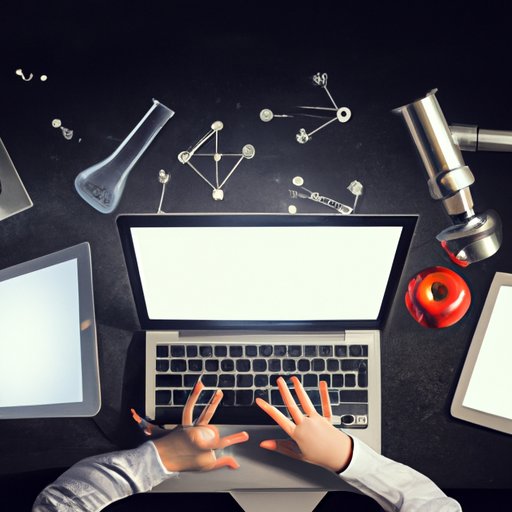
There are many different types of technology that can be used to engage students in the learning process. Digital tools, such as tablets and laptops, can be used to access educational materials, take notes, and complete assignments. Online learning platforms, such as Google Classroom and Blackboard, can be used to share resources, provide feedback, and facilitate collaboration between students and teachers. Finally, educational software, such as Khan Academy and Edmodo, can be used to create interactive lessons and assessments.
Discussing the Pros and Cons of Technology-Based Learning
As with any type of teaching method, there are both advantages and disadvantages to using technology in the classroom. One of the main advantages is that technology can make learning more accessible for students with special needs. For example, students who are visually impaired can benefit from the use of screen readers and text-to-speech programs. Additionally, technology can provide students with personalized learning experiences, as they can customize their learning environment based on their individual needs and interests.
On the other hand, there are some drawbacks to using technology in the classroom. For example, technological issues, such as slow internet connection or malfunctioning devices, can disrupt the learning process. Additionally, the use of technology can be distracting, as students may be tempted to use their devices for social media or other non-educational purposes.
Investigating Effective Strategies for Integrating Technology in the Classroom
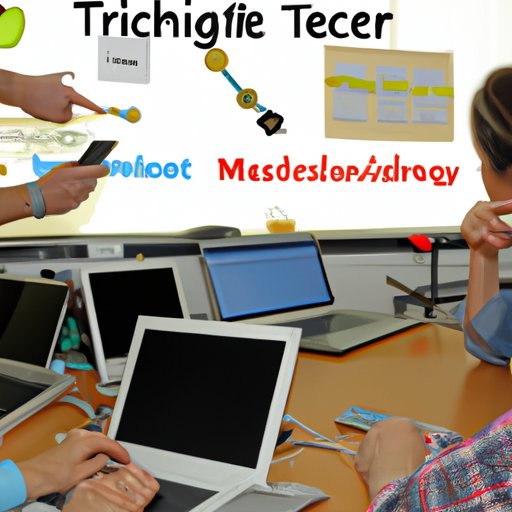
In order to effectively integrate technology into the classroom, educators should first develop a technology integration plan. This plan should include a clear vision for how technology will be used in the classroom, as well as goals and objectives for achieving that vision. Additionally, teachers should establish clear guidelines for the use of technology in the classroom, such as acceptable uses and rules for safe and responsible behavior.
Educators should also provide appropriate training for both students and teachers in order to ensure that everyone is comfortable with the technology being used. Professional development opportunities, such as workshops and webinars, can help teachers learn how to use technology to enhance their instruction. Additionally, students should be provided with basic computer literacy skills, such as keyboarding and word processing, in order to prepare them for the use of technology in the classroom.
Analyzing the Role of Technology in Enhancing Digital Literacy
The use of technology in the classroom can also help students develop digital literacy skills. Digital literacy is defined as the ability to understand and use technology to communicate, solve problems, and create meaningful content. Through the use of technology, students can develop critical thinking skills, as they must analyze and evaluate information from various sources. Additionally, technology can help students cultivate creativity, as they can use digital tools to design and create projects.
Finally, technology can help students improve their research skills. Through online databases and search engines, students can quickly locate relevant information and access a variety of resources. Additionally, students can use technology to compile and organize their research, as well as create bibliographies and citations.
Evaluating the Effectiveness of Technology-Enhanced Instruction
In order to assess the effectiveness of technology-enhanced instruction, educators should analyze student performance. Tests and surveys can be used to measure student understanding and engagement with the material. Additionally, teacher satisfaction should be evaluated in order to determine whether or not the use of technology is beneficial to the instructional process. Finally, parent involvement should be assessed in order to determine if parents are supportive of the use of technology in the classroom.
Conclusion
In conclusion, technology can be used to engage students in the learning process. Through the use of digital tools, online learning platforms, and educational software, students can gain access to a variety of resources and develop digital literacy skills. Additionally, technology can help students develop problem-solving skills, increase motivation and interest in the material, and foster greater engagement in classroom activities. In order to ensure the effective implementation of technology-based learning, educators should develop a technology integration plan, establish clear guidelines, and provide appropriate training. By utilizing these strategies, educators can successfully integrate technology into their classrooms and maximize its potential for enhancing student learning.
(Note: Is this article not meeting your expectations? Do you have knowledge or insights to share? Unlock new opportunities and expand your reach by joining our authors team. Click Registration to join us and share your expertise with our readers.)