
Introduction
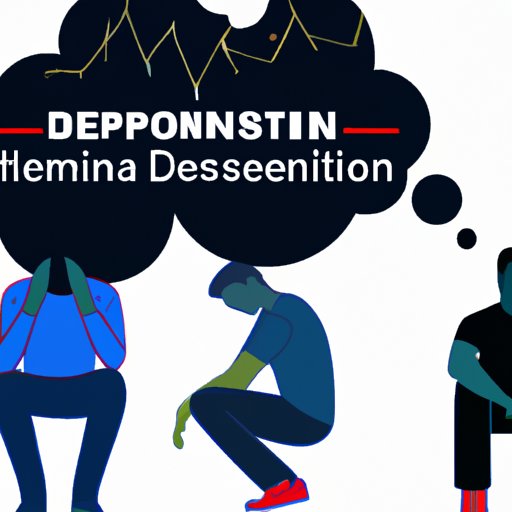
Depression is a serious mental health condition that affects millions of people around the world. Those who experience depression often feel overwhelmed and unable to cope with everyday life. They may struggle with feelings of sadness, hopelessness, and worthlessness, and suffer from a range of physical symptoms, too. In this article, we explore what it feels like to be depressed and discuss strategies for managing and coping with the condition.

Exploring the Depths of Depression: What it Feels Like to be Depressed
Living with depression can be incredibly difficult and isolating. People who suffer from depression often describe feeling as if they are stuck in a dark hole with no way out. They may feel overwhelmed by negative thoughts and emotions, and unable to find joy in activities that used to bring them pleasure. Depression can affect people in different ways, but some common experiences include feeling exhausted, isolated, and hopeless.
A first-person account of living with depression can help to provide a better understanding of what it feels like to be depressed. Sarah, for example, shares her experience of living with depression: “When I’m depressed, it feels like I’m walking through my life underwater. Everything takes so much effort and I just can’t seem to get anything done. I feel so isolated and alone, like no one understands what I’m going through. I have no energy or motivation to do anything, and I just want to stay in bed all day.”
Understanding the emotional landscape of depression can help to provide insight into the condition and how it affects people. Common feelings associated with depression include loneliness, anger, guilt, emptiness, helplessness, and hopelessness. People who are depressed may also experience difficulty concentrating, changes in appetite, and difficulty sleeping.
Examining the Effects of Depression on Mental and Physical Health
Depression can have a significant impact on both mental and physical health. Common mental health symptoms associated with depression include trouble concentrating, changes in appetite, irritability, restlessness, and suicidal thoughts. People who are depressed may also experience physical symptoms such as headaches, fatigue, muscle tension, and digestive issues.
Depression can also lead to more serious health complications, including high blood pressure, heart disease, and diabetes. People who are depressed may also be at greater risk for substance abuse, anxiety disorders, and other mental health conditions.
Examining the Impact of Depression on Relationships
Depression can have a profound effect on relationships, both personal and professional. People who are depressed may experience difficulty connecting with others and maintaining close relationships. This can lead to feelings of isolation and loneliness, which can further worsen the symptoms of depression.
The impact of depression on family relationships can be particularly difficult. People with depression may have difficulty communicating their needs and feelings, resulting in misunderstandings and conflict. Depression can also cause people to withdraw from family activities and social gatherings, leading to feelings of exclusion and alienation.
Depression can also have a negative effect on professional relationships. People who are depressed may struggle to concentrate and complete tasks, leading to frustration from colleagues and supervisors. This can lead to decreased job performance and even job loss.
Depression can also affect social relationships. People who are depressed may avoid socializing due to feelings of guilt, shame, and worthlessness. They may also have difficulty keeping up with conversations and maintaining friendships, leading to feelings of isolation and loneliness.
Strategies for Coping with Depression
Although depression can be difficult to manage, there are a variety of strategies for coping with the condition. Self-care strategies such as regular exercise, healthy eating, and getting enough sleep can help to reduce symptoms of depression. It can also be helpful to practice mindfulness, journaling, and relaxation techniques.
Professional treatment options are also available for those struggling with depression. Psychotherapy and medications can help to reduce symptoms and improve quality of life. Cognitive behavioral therapy (CBT) can help people to identify and challenge negative thoughts and behaviors, while antidepressant medications can help to balance brain chemicals and improve mood.
Conclusion
Depression is a serious mental health condition that affects millions of people around the world. In this article, we explored what it feels like to be depressed and discussed the effects of depression on mental and physical health, as well as relationships. We also offered strategies for coping with depression, including self-care strategies and professional treatment options.
If you are struggling with depression, know that you are not alone. There is help available, and with the right support, you can learn to manage your symptoms and live a fulfilling life. Take the first step and reach out for help today.
(Note: Is this article not meeting your expectations? Do you have knowledge or insights to share? Unlock new opportunities and expand your reach by joining our authors team. Click Registration to join us and share your expertise with our readers.)