
Introduction
Ethereum mining is the process of using computing power to verify and add transaction records to the Ethereum blockchain. This “proof-of-work” process is used to secure the Ethereum network and create new Ether tokens. Ethereum miners use specialized computers and software to solve complex mathematical problems and are rewarded with Ether tokens for their efforts.
The purpose of this article is to provide an in-depth look into Ethereum mining and how it works. We will go over the steps involved in setting up an Ethereum mining rig, installing mining software, joining a mining pool, monitoring your mining progress, and more. We will also discuss different types of Ethereum mining hardware, Ethereum mining pools, and how to calculate Ethereum mining profitability.
Explaining Ethereum Mining: A Step-by-Step Guide
Ethereum mining requires some technical knowledge and special equipment, but anyone can get started with just a few simple steps.
Setting Up an Ethereum Mining Rig
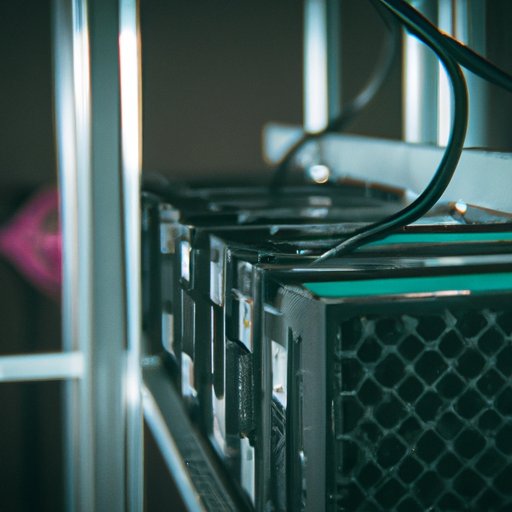
The first step to mining Ethereum is setting up an Ethereum mining rig. This is a computer specifically designed for cryptocurrency mining and needs to be powerful enough to handle the intensive calculations required for Ethereum mining. You can build your own Ethereum mining rig or purchase a pre-built one.
Installing Mining Software
Once you have your mining rig setup, the next step is to install mining software. This software will enable you to connect to the Ethereum network and start mining. Popular mining software includes Claymore Miner, Ethminer, and PhoenixMiner.
Joining a Mining Pool
Ethereum mining pools are groups of miners who combine their hashing power to increase their chances of finding blocks and earning rewards. Joining a mining pool is a great way to increase your profits, as it allows you to share rewards with other miners. Popular Ethereum mining pools include Sparkpool, F2Pool, and Ethermine.
Monitoring Your Mining Progress
Once you have joined a mining pool, you can monitor your progress by checking your pool dashboard. This dashboard will show you your current hash rate, accepted shares, rejected shares, and total earnings.

How to Mine Ethereum for Beginners
If you are new to Ethereum mining, there are a few things you will need to understand before getting started. Here is a brief overview of the key concepts and components of Ethereum mining.
Understanding the Difference Between GPU and CPU Mining
GPUs (graphics processing units) are specialized computers designed for mining cryptocurrencies. They are much more powerful than CPUs and can mine Ethereum much faster. CPUs (central processing units) are general-purpose computers that are not specifically designed for mining. They are more affordable than GPUs, but they are much slower at mining Ethereum.
Choosing the Right Mining Hardware
When choosing the right mining hardware, you need to consider factors such as cost, power consumption, hash rate, and efficiency. GPUs are generally more expensive than CPUs, but they offer better performance. You should also consider the size and noise level of your mining hardware when deciding which one to buy.
Configuring Your Mining Software
Once you have chosen the right mining hardware, you will need to configure your mining software. This includes entering your wallet address, pool information, and any other settings you want to adjust. Make sure to double-check all of your settings before starting to mine.
What is Ethereum Mining and How Does it Work?
Now that we have covered the basics of Ethereum mining, let’s take a closer look at how it works.
Overview of Ethereum Mining Process
Ethereum mining involves solving complex mathematical problems with specialized computers and software. Miners compete to solve these puzzles and are rewarded with Ether tokens for their efforts. The Ethereum network automatically adjusts the difficulty of these puzzles so that each block takes approximately 15 seconds to mine.
Understanding Ethereum’s Blockchain
Ethereum’s blockchain is a distributed ledger that keeps track of all transactions on the Ethereum network. Each block in the chain contains a cryptographic hash of the previous block, a timestamp, and transaction data. The blockchain is secured through the use of proof-of-work algorithms.
What is Proof-of-Work?
Proof-of-work is a consensus mechanism used to secure the Ethereum network. It requires miners to solve complex mathematical puzzles in order to add new blocks to the blockchain. These puzzles become increasingly difficult over time, making it more difficult for miners to add new blocks and earn rewards.
Ethereum Mining Hardware: What You Need to Know
In order to mine Ethereum, you will need the right hardware. Here is a brief overview of the different types of mining hardware available.
GPUs for Ethereum Mining
Graphics Processing Units (GPUs) are specialized computers designed for mining cryptocurrencies. They are much more powerful than CPUs and can mine Ethereum much faster. Popular GPUs for Ethereum mining include Nvidia and AMD cards.
CPUs for Ethereum Mining
Central Processing Units (CPUs) are general-purpose computers that are not specifically designed for mining. They are much slower at mining Ethereum than GPUs, but they are more affordable. Popular CPUs for mining Ethereum include Intel and AMD processors.
Other Equipment You May Need
In addition to a GPU or CPU, you may also need to purchase additional equipment such as a power supply, cooling fan, and motherboard. Make sure to research the best components for your specific mining rig.
Understanding Ethereum Mining Pools
Ethereum mining pools are groups of miners who combine their hashing power to increase their chances of finding blocks and earning rewards. Here is a brief overview of what you need to know about Ethereum mining pools.
Advantages of Joining a Mining Pool
By joining a mining pool, you can increase your chances of finding blocks and earning rewards. Mining pools also allow you to share rewards with other miners, which can significantly increase your profits. However, it is important to note that mining pools typically charge a fee for their services.
Calculating Your Potential Profits
Before joining a mining pool, it is important to calculate your potential profits. This will help you determine if the fees associated with the pool are worth it. You can calculate your estimated profits by taking into account factors such as hash rate, block reward, and difficulty.
Selecting the Right Mining Pool
When selecting a mining pool, it is important to consider factors such as fees, payout structure, server locations, and reputation. Make sure to do your research and read reviews before joining a mining pool.
Ethereum Mining Profitability: Is It Worth It?
Finally, it is important to consider whether Ethereum mining is actually worth it. Here is a brief overview of what you need to know about Ethereum mining profitability.
Factors That Affect Profitability
There are several factors that can affect your mining profitability, including hardware costs, electricity costs, mining difficulty, and exchange rates. It is important to take these factors into account when determining if Ethereum mining is worth it.
Calculating Your Profit Potential
You can calculate your potential profits by taking into account factors such as hash rate, block reward, and difficulty. There are also online calculators that can help you estimate your profit potential. Be sure to factor in your costs, such as hardware and electricity, when calculating your profits.
Making Sure Mining is Worth It
It is important to make sure that mining is actually worth it before investing in expensive hardware and electricity. Research the latest market trends, compare your estimated profits with your costs, and make sure that mining is worth it before getting started.
Conclusion
Ethereum mining is a complex process that requires specialized knowledge and equipment. This article has provided an in-depth look into Ethereum mining and how it works. We have gone over the steps involved in setting up a mining rig, installing mining software, joining a mining pool, monitoring your mining progress, and more. We have also discussed different types of Ethereum mining hardware, Ethereum mining pools, and how to calculate Ethereum mining profitability.
(Note: Is this article not meeting your expectations? Do you have knowledge or insights to share? Unlock new opportunities and expand your reach by joining our authors team. Click Registration to join us and share your expertise with our readers.)