
Introduction
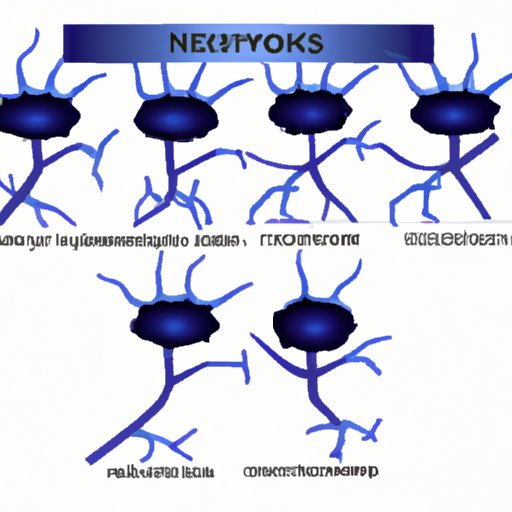
Neuronal communication is a process that occurs between neurons, which are the specialized cells responsible for transmitting information throughout the body. In this process, electrical impulses, known as action potentials, travel from one neuron to another. The purpose of this article is to explore the mechanism of how an impulse travels from one neuron to another.
Explaining the Neurotransmitter Process
In order for an impulse to travel from one neuron to another, it needs to be transmitted across a gap called the synaptic cleft. This gap is filled with chemical messengers called neurotransmitters, which are released by one neuron (the presynaptic neuron) and received by another neuron (the postsynaptic neuron).
Overview of Neurotransmitters
Neurotransmitters are molecules that are produced within neurons and are responsible for carrying signals from one neuron to another. They are released into the synaptic cleft, where they bind to receptors on the postsynaptic neuron. Neurotransmitters can be either excitatory or inhibitory, meaning they can either increase or decrease the likelihood of an action potential occurring in the postsynaptic neuron.
Role of Neurotransmitters in Transmitting Signals
When an action potential occurs in the presynaptic neuron, it triggers the release of neurotransmitters into the synaptic cleft. These neurotransmitters then bind to receptors on the postsynaptic neuron, which causes changes in the postsynaptic neuron’s membrane potential. If enough receptors are activated, an action potential will be generated in the postsynaptic neuron.
Examining the Molecular Pathway of an Impulse
Action Potential of Neurons
An action potential is an electrical signal generated by a neuron when it is stimulated. It is generated by a change in the membrane potential of the neuron, which is caused by the influx of positively charged ions. This change in the membrane potential causes the neuron to fire, sending an electrical signal down its axon.
Synaptic Gap and Its Role in Signal Transmission
Once the action potential has reached the end of the axon, it triggers the release of neurotransmitters from the presynaptic neuron into the synaptic cleft. The neurotransmitters then diffuse across the synaptic cleft and bind to receptors on the postsynaptic neuron, which causes a change in the membrane potential of the postsynaptic neuron. If enough receptors are activated, an action potential is generated in the postsynaptic neuron.

Investigating the Release and Reception of Neurotransmitters
How Neurotransmitters are Released
The release of neurotransmitters is triggered by an action potential in the presynaptic neuron. This action potential causes a surge of calcium to enter the presynaptic neuron, which triggers the release of neurotransmitters from synaptic vesicles into the synaptic cleft.
How Receptors are Activated
When the neurotransmitters reach the postsynaptic neuron, they bind to receptors on the cell membrane. Depending on the type of receptor, this binding can either cause an excitatory response or an inhibitory response. An excitatory response causes the postsynaptic neuron to become more likely to generate an action potential, while an inhibitory response causes the postsynaptic neuron to become less likely to generate an action potential.
Outlining the Different Methods of Neuronal Communication
Electrical Signaling
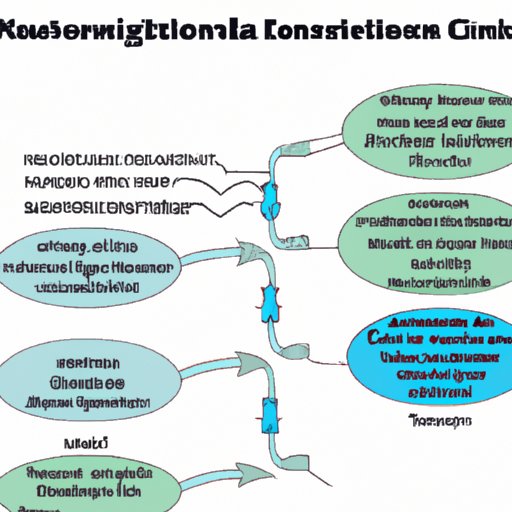
The most common form of neuronal communication is electrical signaling, which involves the transmission of electrical impulses from one neuron to another. Electrical signals are generated by changes in the membrane potential of the neuron, and they travel along the neuron’s axon until they reach the end, where they trigger the release of neurotransmitters.
Chemical Signaling
Another form of neuronal communication is chemical signaling, which involves the transmission of chemical signals from one neuron to another. Chemical signals are generated by the release of neurotransmitters from the presynaptic neuron, and they travel across the synaptic cleft until they reach the postsynaptic neuron, where they bind to receptors and cause changes in the membrane potential.
Conclusion
Neuronal communication is a complex process that involves the transmission of electrical and chemical signals from one neuron to another. It involves the release of neurotransmitters from the presynaptic neuron, the diffusion of these neurotransmitters across the synaptic cleft, and the activation of receptors on the postsynaptic neuron. This process is essential for the normal functioning of the nervous system, and it has a profound impact on our everyday lives.
(Note: Is this article not meeting your expectations? Do you have knowledge or insights to share? Unlock new opportunities and expand your reach by joining our authors team. Click Registration to join us and share your expertise with our readers.)