
Introduction
Bitcoin is a decentralized, digital currency that can be used to make payments online as well as store value. The currency has seen tremendous growth since its inception and has become increasingly popular among investors worldwide. As such, many people are now looking to sell their Bitcoin holdings in order to realize profits.
Benefits of Selling Bitcoin
Selling Bitcoin provides an opportunity to capitalize on its increasing value. Bitcoin’s price has been volatile over the years, with some periods of significant gains followed by periods of sharp declines. Selling Bitcoin at the right time can yield large returns, making it an attractive proposition for investors. Additionally, selling Bitcoin can provide a source of additional income or even act as a full-time job, depending on the investor’s level of commitment.
Acquiring Bitcoin
The first step in selling Bitcoin is acquiring it. There are two main ways to acquire Bitcoin: mining and buying. Mining involves using computers to solve complex mathematical problems in order to generate new Bitcoin. This process can be time consuming and requires expensive hardware. Alternatively, individuals can purchase Bitcoin from online exchanges or directly from other users.
Popular Exchanges Used to Sell Bitcoin
Many popular exchanges offer the ability to buy and sell Bitcoin. Coinbase is one of the largest and most widely used platforms, offering services in more than 30 countries. Kraken is another major exchange that offers low fees and advanced trading features. Binance is a newer exchange but has quickly become popular due to its wide selection of cryptocurrencies and low transaction fees.
Steps Involved in Selling Bitcoin
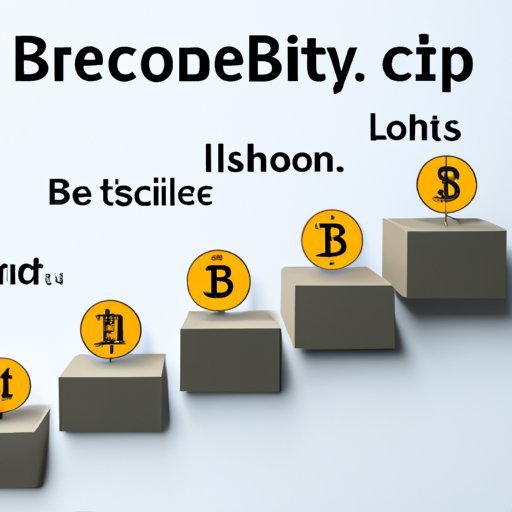
Once an individual has acquired Bitcoin, they will need to take the following steps to sell it:
- Choose an Exchange: Individuals will need to select a reputable exchange to use for selling Bitcoin. They should consider factors such as fees, security measures, and customer service when making their choice.
- Create an Account: Most exchanges require users to create an account before they can begin trading. This typically involves providing personal information and verifying identity.
- Fund the Exchange Account: To buy and sell Bitcoin, users must have funds in their exchange account. This can be done by depositing fiat currency or transferring Bitcoin from a wallet.
- Place a Sell Order: Once funds are available, individuals can place a sell order. This will indicate the amount of Bitcoin they wish to sell and the price they would like to receive for it.
- Withdraw Funds: After the sell order is fulfilled, users can withdraw their funds from the exchange. Depending on the platform, this may involve transferring the funds to a bank account, PayPal, or another form of payment.
Best Practices for Securing Bitcoin Transactions
When selling Bitcoin, it’s important to take the necessary steps to ensure secure transactions. Here are some best practices to keep in mind:
- Use Two-Factor Authentication: Many exchanges offer two-factor authentication, which adds an extra layer of security to accounts. This typically involves entering a code sent to a user’s phone or email address each time they wish to access their account.
- Utilize a Hardware Wallet: Hardware wallets are physical devices designed to securely store cryptocurrency. They are considered the most secure way to store Bitcoin and can help protect funds against theft and hacking attempts.
- Keep Private Keys Secure: Private keys are strings of characters used to access Bitcoin wallets. It’s important to keep these secure and never share them with anyone.
Taxation Implications of Selling Bitcoin
In most jurisdictions, selling Bitcoin is subject to taxation. Generally, profits from selling Bitcoin are treated as capital gains and taxed accordingly. Additionally, those who trade Bitcoin regularly may be liable for self-employment tax.
Different Payment Methods Used to Facilitate Bitcoin Sales
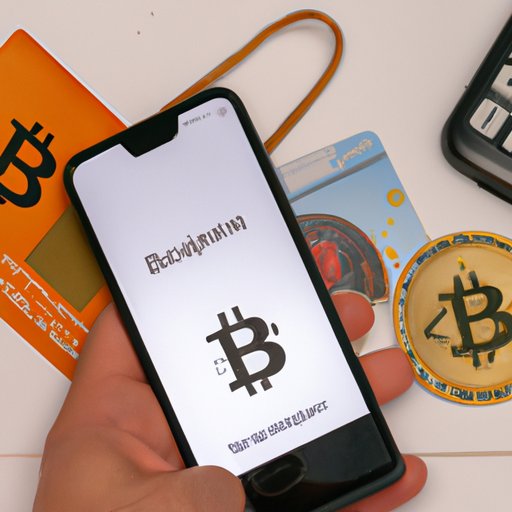
Most exchanges allow users to choose from a variety of payment methods when selling Bitcoin. Common options include bank transfers, credit/debit cards, and PayPal. Some exchanges may also support alternative payment methods such as cash or gift cards.
Conclusion
Selling Bitcoin can be a lucrative endeavor if done properly. This guide outlined the steps involved in selling Bitcoin and the best practices to ensure secure transactions. It also discussed the taxation implications of selling Bitcoin and the different payment methods used to facilitate such sales. By following the advice in this guide, individuals can maximize their chances of success when selling Bitcoin.
(Note: Is this article not meeting your expectations? Do you have knowledge or insights to share? Unlock new opportunities and expand your reach by joining our authors team. Click Registration to join us and share your expertise with our readers.)