
Introduction
Crypto mining is a process by which new cryptocurrencies are created and transactions between users are verified. Mining is an important part of the cryptocurrency ecosystem, as it helps to secure the network and create new coins. In this article, we’ll explore the basics of crypto mining, outlining the necessary hardware, software, and steps required to successfully mine for crypto. We’ll also examine the different types of crypto mining and provide tips and strategies for optimizing your mining profits.

Explaining the Basics of Crypto Mining
Before diving into the details of how to mine for crypto, let’s take a look at what crypto mining is and how it works.
What is Crypto Mining?
Crypto mining is the process of verifying and adding transaction records to the public ledger (known as the blockchain). Miners must solve complex mathematical problems in order to verify transactions and add them to the blockchain. For their efforts, miners are rewarded with newly minted coins. This process is known as proof-of-work and is one of the main methods used to secure the network and ensure that all transactions are valid.
How Does Crypto Mining Work?
The process of crypto mining involves solving complex mathematical equations in order to verify transactions and add them to the public ledger. When a miner solves a problem, they are rewarded with newly minted coins. The amount of coins awarded depends on the type of cryptocurrency being mined and the difficulty of the problem. As more miners join the network and the difficulty of the problems increases, the rewards decrease.
Outlining the Necessary Hardware for Crypto Mining
In order to mine for crypto, you’ll need some specialized hardware. Here’s an overview of the necessary components:
Choosing a Mining Rig
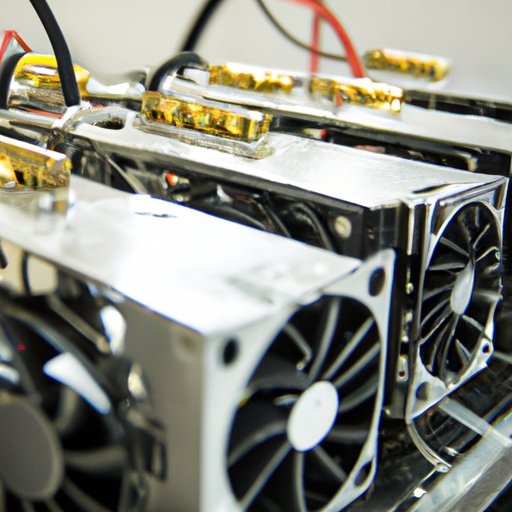
A mining rig is a computer designed specifically for mining cryptocurrencies. It consists of multiple graphics cards (GPUs) connected to a motherboard, power supply, and other components. Mining rigs are available pre-built or can be built from scratch. Pre-built rigs are usually more expensive but are easier to set up and use.
Selecting the Right GPU
GPUs are the most important component of a mining rig, as they are responsible for performing the calculations necessary to mine for crypto. Different GPUs have different hashing rates, which determines how quickly they can solve equations. Higher-end GPUs tend to have higher hashing rates, though more affordable models are available as well.
Understanding the Different Types of Mining Software
Mining software is used to connect your mining rig to the mining pool and manage your mining settings. Popular mining software includes CGMiner, BFGMiner, NiceHash, and MultiMiner. Each software has its own advantages and disadvantages, so it’s important to research and find the best option for you.
Providing a Step-by-Step Guide to Mining Crypto
Once you’ve got the necessary hardware, it’s time to start mining. Here’s a step-by-step guide to get you started:
Setting up a Mining Rig
The first step is to assemble and set up your mining rig. This involves connecting the GPUs, power supply, and other components to the motherboard and installing the necessary drivers and software. Once the rig is assembled and the software is installed, you’re ready to start mining.
Connecting to a Pool
Next, you’ll need to connect your mining rig to a mining pool. Mining pools are groups of miners who work together to mine blocks and share the rewards. By joining a pool, you can increase your chances of earning rewards. To connect to a pool, you’ll need to register and enter your mining settings.
Optimizing Mining Settings
Once you’re connected to a pool, you’ll need to optimize your mining settings. This involves adjusting the clock speed, core voltage, and other settings to maximize your hashrate and increase your chances of earning rewards. You can use software such as MSI Afterburner to help you adjust these settings.
Highlighting the Benefits and Risks of Crypto Mining
Crypto mining can be a profitable endeavor, but it also comes with certain risks. Let’s take a look at the benefits and risks of crypto mining:
Advantages of Crypto Mining
The main advantage of crypto mining is that it can be a lucrative endeavor. If you’re able to successfully mine for crypto, you could earn a substantial amount of money. Additionally, crypto mining can be done from anywhere in the world, allowing you to make money from the comfort of your own home.
Disadvantages of Crypto Mining
The main disadvantage of crypto mining is that it requires a significant amount of resources, including electricity and computing power. Additionally, the rewards earned from mining can be quite variable, meaning that you may not earn as much as you’d like. Finally, mining can be risky, as the value of cryptocurrencies can fluctuate significantly.

Examining the Different Types of Crypto Mining
There are several different types of crypto mining:
Cloud Mining
Cloud mining involves using the computing power of a remote server to mine for crypto. This is a good option for those who don’t have the necessary hardware or expertise to build their own mining rigs. However, cloud mining contracts can be expensive and come with certain risks.
Solo Mining
Solo mining involves using your own mining rig to mine for crypto independently. This is a good option for those who want to maximize their profits, as you won’t have to pay any fees to join a mining pool. However, solo mining can be risky due to the high difficulty of the equations and the volatile nature of cryptocurrency prices.
Pool Mining
Pool mining involves joining a group of miners and sharing the rewards. This is a good option for those who don’t have the resources or expertise to mine independently. However, you will have to pay fees to join a pool, and the rewards may be lower than if you were to solo mine.
ASIC Mining
ASIC mining involves using specialized hardware to mine for crypto. ASICs are powerful and efficient, but they can be expensive and difficult to obtain. Additionally, ASICs may become obsolete as the difficulty of the equations increases.

Suggesting Tips and Strategies for Optimizing Crypto Mining Profits
If you want to maximize your profits from crypto mining, here are some tips and strategies to keep in mind:
Choosing the Right Mining Pool
When choosing a mining pool, it’s important to consider factors such as fees, payout frequency, and the size of the pool. Smaller pools may offer higher rewards, but they may also be more prone to fluctuations in the market. Larger pools are more stable, but the rewards may be lower.
Utilizing Automated Trading Strategies
Automated trading strategies can be used to buy and sell cryptocurrencies in order to maximize profits. These strategies involve analyzing the market and executing trades based on predetermined rules. Automated trading strategies can be complicated and require a significant amount of research and experience to master.
Staying Up-to-Date with Market Trends
It’s important to stay up-to-date with the latest market trends in order to maximize your profits. By tracking the price movements of various cryptocurrencies, you can identify potential opportunities to buy low and sell high. Additionally, monitoring news and industry developments can help you stay ahead of the curve.
Monitoring Your Mining Performance
Finally, it’s important to monitor your mining performance in order to maximize your profits. This involves tracking your hashrate, electricity costs, and other metrics. By keeping an eye on these metrics, you can make adjustments to your mining settings in order to optimize your profits.
Conclusion
Crypto mining is a process by which new cryptocurrencies are created and transactions between users are verified. Mining is an important part of the cryptocurrency ecosystem, as it helps to secure the network and create new coins. In order to mine for crypto, you’ll need specialized hardware and software, as well as an understanding of the different types of mining. Additionally, there are certain benefits and risks associated with crypto mining, and it’s important to understand these before getting started. Finally, there are various tips and strategies for optimizing your mining profits, so it’s important to stay up-to-date with the latest market trends and monitor your mining performance.
(Note: Is this article not meeting your expectations? Do you have knowledge or insights to share? Unlock new opportunities and expand your reach by joining our authors team. Click Registration to join us and share your expertise with our readers.)