
Introduction
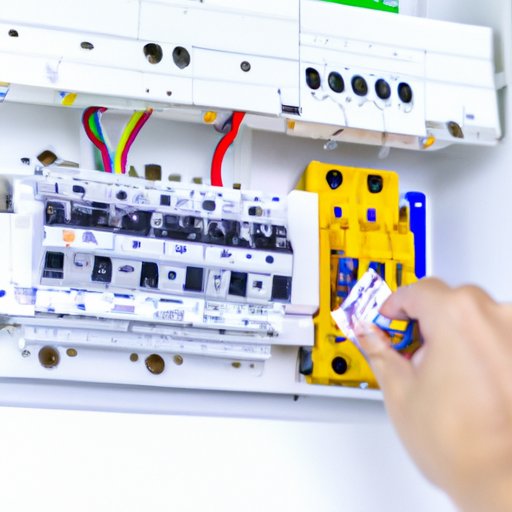
Circuit breakers are designed to protect home electrical systems from damage due to overloads or short circuits. If too much current flows through a circuit, the circuit breaker trips, cutting off power to the affected area. This is a normal function of a circuit breaker, but it can become quite frustrating if the breaker keeps tripping for no apparent reason.
In this article, we’ll explore some of the potential causes of a circuit breaker tripping and provide some tips on troubleshooting and fixing the issue. We’ll also discuss how to upgrade your home electrical system for improved safety.

Troubleshoot the Circuit Breaker to Identify Cause of Tripping
Before you attempt any repairs or replacements, you should first take some time to troubleshoot the circuit breaker to identify the cause of the tripping. There are several steps you can take to do this:
Check the Circuit Breaker for Visible Damage
The first step is to check the circuit breaker itself for any visible signs of damage. Look for any cracks or breaks in the housing, and make sure all the wires and terminals are securely connected. If you find any damage, it may be necessary to replace the circuit breaker.
Inspect Wiring Connections
Next, inspect the wiring connections on the circuit breaker to make sure they are secure and free of corrosion. Also, look for any loose wires or terminals that could be causing a short circuit.
Test Voltage and Current on the Circuit
Finally, use a voltage tester to measure the voltage and current on the circuit. If the readings are outside of the acceptable range, it could indicate an overloaded circuit and will require further investigation.
Inspect Electrical Wiring for Potential Causes
Once you’ve identified any possible issues with the circuit breaker itself, it’s time to inspect the electrical wiring for potential causes of the tripping. Here are some things to look for:
Look for Loose Wiring Connections
If the wiring connections are loose or not properly secured, it can cause a short circuit, which can trip the breaker. Make sure all the wires and terminals are tightly connected and secure.
Check for Overloaded Circuits
Another common cause of a tripping circuit breaker is an overloaded circuit. If there are too many appliances or electronics connected to the same circuit, it can cause the circuit breaker to trip. Try unplugging some of the devices to see if that resolves the issue.
Examine Wiring for Signs of Damage or Wear
Worn or damaged wiring can also cause a circuit breaker to trip. Inspect the wiring for any frayed or exposed wires, and make sure the insulation is intact and not cracked or peeling.

Check Appliances and Electronics Connected to Circuit
It’s also important to check the appliances and electronics connected to the circuit. Faulty switches or outlets can cause the circuit breaker to trip. Here are some steps to take:
Unplug Appliances and Electronics
Start by unplugging all the appliances and electronics connected to the circuit. If the breaker stops tripping, it’s likely one of the devices is causing the issue.
Inspect for Faulty Switches or Outlets
Next, inspect the switches and outlets connected to the circuit. Look for any signs of damage or wear, and make sure the connections are secure.
Consider Replacing Older Appliances
Finally, consider replacing any older appliances or electronics connected to the circuit. Older devices may not be designed to handle the increased electrical load, which can cause the circuit breaker to trip.
Replace Faulty Circuit Breakers
If the circuit breaker itself is faulty, then it will need to be replaced. Here are the steps to take:
Shut Off Power to the Circuit Breaker
First, shut off the power to the circuit breaker. Make sure all the devices connected to the circuit are unplugged before you do this.
Remove Old Circuit Breaker
Next, remove the old circuit breaker and disconnect any wires. Be sure to label the wires so you can easily reconnect them when installing the new circuit breaker.
Install New Circuit Breaker
Finally, install the new circuit breaker and connect the wires according to the labels. Once the new circuit breaker is installed, turn the power back on and test to make sure it’s working properly.
Upgrade Home Electrical Panel for Improved Safety
If you find yourself having to frequently reset the circuit breaker, it may be time to upgrade your home electrical panel for improved safety. Here are some tips:
Consult with a Professional Electrician
Start by consulting with a professional electrician to discuss the best options for your home. An experienced electrician can help you determine what upgrades are necessary and provide an estimate for the cost.
Make Sure Home Electrical System is Up to Code
It’s also important to make sure your home electrical system is up to code. Your electrician can inspect the wiring and make sure everything meets local regulations.
Consider Installing Arc-Fault Circuit Interrupters
Finally, consider installing arc-fault circuit interrupters (AFCIs) in your home. AFCIs are designed to detect arcing faults in electrical wiring and automatically shut off power before an electrical fire can start.

Hire a Professional Electrician for Assistance
If you’re uncomfortable attempting any repairs or upgrades on your own, it’s always best to hire a professional electrician for assistance. Here are some tips for finding a qualified electrician:
Find a Qualified, Experienced Electrician
Start by doing some research to find a qualified and experienced electrician in your area. Look for reviews and ask for referrals from friends and family.
Ensure Quality Work and Adherence to Local Codes
Once you’ve found a few potential electricians, make sure they are licensed and insured. Ask for references and make sure they are familiar with local codes and regulations.
Discuss Possible Ways to Improve Electrical System Safety
Finally, discuss possible ways to improve the safety of your home’s electrical system. Ask the electrician about any upgrades or improvements that may be necessary.
Conclusion
Having a circuit breaker that keeps tripping can be an annoying and potentially dangerous issue. The best way to address the problem is to troubleshoot the circuit breaker to identify the cause of the tripping, and then take appropriate steps to fix the issue. You may also want to consider upgrading your home electrical system for improved safety. If you’re unsure of how to proceed, it’s always best to hire a professional electrician for assistance.
(Note: Is this article not meeting your expectations? Do you have knowledge or insights to share? Unlock new opportunities and expand your reach by joining our authors team. Click Registration to join us and share your expertise with our readers.)