
Introduction
A keto diet is a high-fat, low-carbohydrate diet that has gained popularity in recent years due to its potential health benefits. By drastically reducing carbohydrates, the body enters a state of ketosis, which is when it begins to burn fat for fuel instead of glucose from carbohydrates. Read on to learn more about the science behind keto diets and explore recipes for successful keto meals.
Exploring the Science Behind Keto Diets
Before diving into the nitty-gritty details of a keto diet, let’s first look at the science behind how our bodies use the three macronutrients: carbohydrates, proteins, and fats. Carbohydrates are the body’s preferred source of energy because they are easily broken down and absorbed. Proteins provide essential amino acids, which are important for building muscle, and fats are necessary for proper brain development.
When carbohydrates are restricted, the body must find another source of energy. This is where the process of ketosis comes in. Ketosis is a metabolic state in which the body burns fat for fuel instead of carbohydrates. The liver breaks down fat molecules into ketones, which can then be used by cells for energy. This process increases fat burning and helps the body become more efficient at using its fat stores.
What to Expect on a Keto Diet
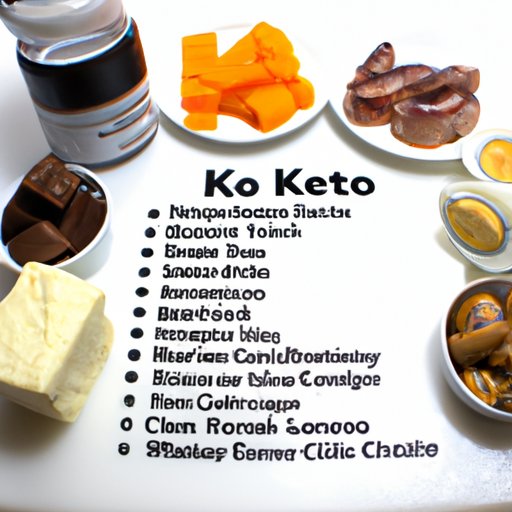
On a keto diet, you’ll want to focus on eating foods that are high in fat and low in carbs. Foods that are allowed include fatty fish, eggs, nuts, seeds, avocados, cheese, and meat. You’ll also want to avoid foods that are high in carbohydrates, such as grains, beans, and most fruits. Intermittent fasting is also recommended on a keto diet to help the body enter ketosis faster.
How to Measure Ketosis
Measuring ketosis is an important part of following a keto diet. There are two main ways to measure ketosis: testing blood ketone levels and using urinalysis strips. Testing your blood ketone levels requires a simple blood test and will give you an accurate reading of your ketone levels. Urinalysis strips are an inexpensive and easy way to measure ketone levels in your urine.

Benefits of a Keto Diet
There are many potential benefits to following a keto diet. One of the most well-known benefits is weight loss. By restricting carbohydrates and increasing fat intake, the body is forced to use its fat stores for energy, resulting in weight loss. Additionally, research has shown that keto diets may help improve cholesterol and blood sugar levels, as well as increased energy levels.

Common Mistakes to Avoid on a Keto Diet
While there are many benefits to following a keto diet, there are some common mistakes that people make that can lead to less than optimal results. Not eating enough fat is one of the most common mistakes. Fat is an essential part of a keto diet and should make up the majority of your daily calorie intake. Eating too much protein is another mistake to avoid. Protein should make up only a small portion of your daily calories. Finally, not drinking enough water can also hinder your progress. Staying hydrated is key to success on any diet.
Understanding Macros and Macronutrient Ratios
Macronutrients, or “macros”, are the three major nutrients that provide the body with energy. These include carbohydrates, proteins, and fats. On a keto diet, you’ll want to limit your carbohydrate intake and increase your fat and protein intake. It’s important to understand the ratio of macros that works best for your body, which can vary from person to person. Calorie counting is also important on a keto diet, as it ensures that you are getting enough nutrients while still staying in a caloric deficit.

Recipes for Successful Keto Meals
Now that you know the basics of a keto diet, here are some delicious recipes that you can try. For breakfast, try a bacon and egg omelet with avocado and spinach. For lunch, try a turkey lettuce wrap topped with tomatoes, onions, and feta cheese. For dinner, try salmon with roasted vegetables. And for snacks, try a handful of nuts or a hard-boiled egg. All of these recipes are low in carbs and high in fat, making them perfect for a keto diet.
Conclusion
Keto diets are a great way to lose weight, improve cholesterol and blood sugar levels, and increase energy levels. By understanding the science behind keto diets, what to expect, how to measure ketosis, common mistakes to avoid, and tasty recipes for successful keto meals, you’ll be well on your way to achieving your health and fitness goals.
(Note: Is this article not meeting your expectations? Do you have knowledge or insights to share? Unlock new opportunities and expand your reach by joining our authors team. Click Registration to join us and share your expertise with our readers.)