

Introduction
The 2008 financial crisis was one of the most devastating economic events in modern history. It led to a global recession that caused millions of people to lose their homes, jobs, and savings. In this article, we’ll explore how the 2008 financial crisis happened and examine its lasting effects on the economy.
A Timeline of Events Leading Up to the 2008 Financial Crisis
The 2008 financial crisis was the result of a decade of mismanagement by government agencies, financial institutions, and Wall Street firms. Here’s a timeline of events leading up to the crisis:
Housing Bubble Fuelled by Low Interest Rates
In the early 2000s, the Federal Reserve kept interest rates low to stimulate the economy. This led to a housing boom as more people were able to afford mortgages. Home prices skyrocketed, creating an unsustainable housing bubble.
Rise of Subprime Mortgages and Risky Investments
Financial institutions took advantage of the low interest rates and began offering subprime mortgages to borrowers with poor credit. These loans were risky but highly profitable, so banks continued to offer them. Banks also invested heavily in complex derivatives and structured investment vehicles, creating a system of excessive risk taking.
Credit Crisis and Bankruptcies
As home prices started to decline in 2007, borrowers began defaulting on their mortgages. This led to a credit crisis as banks were unable to collect on their loans. Many banks declared bankruptcy or had to be bailed out by the government.
Examining a Decade of Financial Mismanagement
The 2008 financial crisis was the result of years of financial mismanagement by government agencies, financial institutions, and Wall Street firms. Here are some of the factors that contributed to the crisis:
Poor Oversight from Government Agencies
Government agencies such as the Securities and Exchange Commission (SEC) and the Federal Reserve failed to adequately monitor the financial system. According to Nobel Prize-winning economist Joseph Stiglitz, “The SEC allowed the large investment banks to become increasingly leveraged, increasing their vulnerability and making the system as a whole more fragile.”
Lack of Transparency in the Financial System
The lack of transparency in the financial system made it difficult for regulators to identify and address potential risks. As former Fed Chairman Ben Bernanke noted, “The complexity and opacity of many of the instruments used in the financial markets made it difficult for investors, including sophisticated institutional investors, to assess the risks associated with these products.”

The Role of Subprime Mortgages in the Crisis
Subprime mortgages played a major role in the 2008 financial crisis. Here’s how they contributed to the crisis:
Predatory Lending Practices
The rise of subprime mortgages led to widespread predatory lending practices. Banks issued loans to borrowers who couldn’t afford them, often without disclosing the high interest rates and fees. As former Obama administration official Elizabeth Warren noted, “The banks packaged up these toxic loans and sold them to unsuspecting investors.”
How Subprime Mortgage Securities Contributed to the Crisis
Banks bundled subprime mortgages into securities, which they sold to investors. These securities were highly risky but offered high returns, so investors continued to buy them. When borrowers began defaulting on their mortgages, the value of these securities plummeted, causing widespread losses for investors.
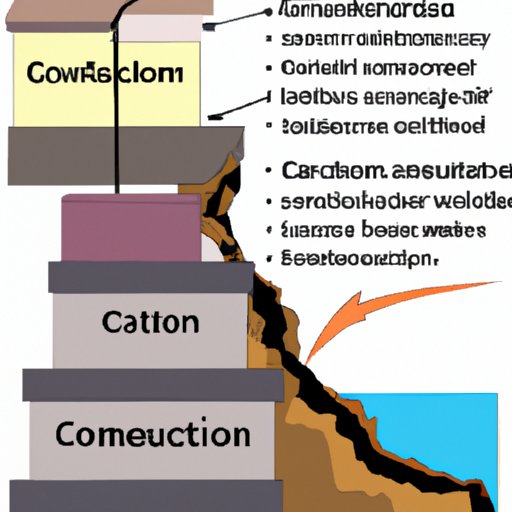
Exploring the Causes and Consequences of the Collapse
The 2008 financial crisis had far-reaching consequences for the global economy. Here are some of the effects of the crisis:
Rising Unemployment and Home Foreclosures
The collapse of the housing market led to rising unemployment as many people lost their jobs. It also led to a surge in home foreclosures as borrowers were unable to keep up with their mortgage payments.
Impact on Global Economy
The crisis had a ripple effect on the global economy. As Harvard economist Kenneth Rogoff noted, “The extreme interconnectedness of the global financial system meant that the financial crisis spread quickly and widely around the world.”
Analyzing the Impact of Poor Regulation on the Economy
The financial crisis was also the result of inadequate regulations and oversight. Here are some of the ways that poor regulation contributed to the crisis:
Failure of Regulatory Agencies to Monitor Risk
Government agencies failed to adequately monitor the financial system, resulting in excessive risk taking by banks and other financial institutions. As former New York Federal Reserve President Timothy Geithner noted, “Regulators lacked the authority, resources, and capacity to monitor, understand, and contain the risks building up in the system.”
Inadequate Consumer Protection Regulations
The government also failed to protect consumers from predatory lenders. As former Treasury Secretary Henry Paulson noted, “There was no effective consumer protection regime in place to prevent lenders from preying on vulnerable borrowers.”
How Wall Street Exacerbated the Crisis
Wall Street firms also played a major role in exacerbating the crisis. Here are some of the ways that Wall Street contributed to the crisis:
Complex Derivatives and Structured Investment Vehicles
Wall Street firms created complex derivatives and structured investment vehicles that allowed them to take on excessive risk. As former Treasury Secretary Lawrence Summers noted, “The explosion of complex structured finance instruments and derivatives magnified the risks in the system and made them harder to monitor.”
Leverage and Excessive Risk Taking
Wall Street firms also used leverage to amplify their profits. As former Fed Chairman Alan Greenspan noted, “The use of leverage was pervasive throughout the financial system, and it increased the fragility of the system when the downturn came.”
Conclusion
The 2008 financial crisis was the result of a decade of mismanagement by government agencies, financial institutions, and Wall Street firms. The crisis was fueled by a housing bubble, the rise of subprime mortgages, and excessive risk taking by banks and other financial institutions. It had devastating consequences for the global economy, leading to rising unemployment and home foreclosures. The crisis also highlighted the need for stronger regulations and better oversight of the financial system.
(Note: Is this article not meeting your expectations? Do you have knowledge or insights to share? Unlock new opportunities and expand your reach by joining our authors team. Click Registration to join us and share your expertise with our readers.)