
Introduction
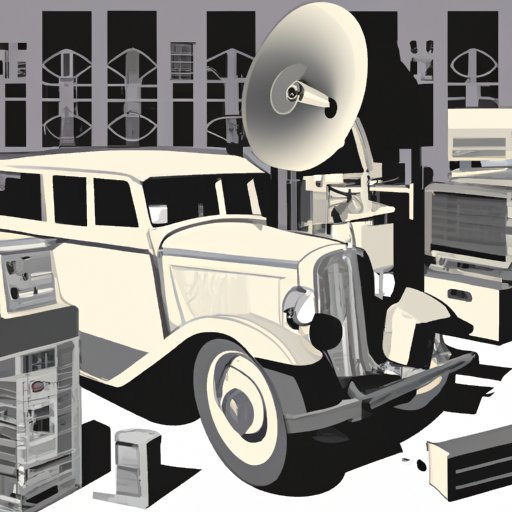
The 1920s was a period of immense technological advancement that had a profound impact on American life. From the rise of the automobile industry to the emergence of radio broadcasting and innovative technologies, the decade saw rapid changes in transportation, communication, work, leisure activities, and consumer habits. In this article, we will explore the various ways in which technology changed American life in the 1920s.
Automobile Industry
The automobile industry was one of the most influential drivers of technological change in the 1920s. According to the National Museum of American History, “the number of cars on U.S. roads increased from 8 million in 1920 to 23 million by 1929.” This dramatic increase in car ownership revolutionized transportation and travel. With the development of highways and roadways, Americans were able to move more freely between cities and states, leading to an increase in tourism and business opportunities.
The rise of the automobile also had a significant impact on daily life and leisure activities. People were no longer confined to their immediate neighborhoods and could now visit friends and family further away. Car ownership also gave people more freedom to explore the outdoors, leading to an increase in recreational activities such as camping and hiking.
Radio and Entertainment
The advent of radio broadcasting had a major impact on American life in the 1920s, providing people with access to news, music, and entertainment from around the world. According to the Library of Congress, “by the end of the 1920s, nearly 60 percent of all American households owned a radio.” This widespread adoption of radio technology opened up a new world of possibilities for people, allowing them to stay informed about current events, listen to their favorite music, and even participate in interactive radio shows.
Radio also served as a powerful tool for communication. With the development of national networks, people were able to connect with each other across state lines, giving rise to a new era of nationwide conversations. Radio also enabled people to hear the voices of prominent public figures, including President Calvin Coolidge, who often used the medium to address the public.
Mass Production
The 1920s saw an unprecedented rise in mass production, which transformed American life in numerous ways. The availability of consumer goods increased dramatically, with products ranging from refrigerators and washing machines to furniture and clothing becoming more accessible. Mass production also played a key role in reducing prices, making it easier for people to purchase items they otherwise couldn’t afford.
In addition, mass production led to an improvement in product quality. Manufacturers could now produce goods faster and more efficiently, resulting in higher standards of craftsmanship and durability. This meant that consumers could now enjoy better quality products at lower prices.
New Technologies
The 1920s also saw the introduction of a number of innovative technologies that had a major impact on American life. Television and telephone technology allowed people to communicate with each other over long distances, while vacuum cleaners and dishwashers made household chores easier and less time-consuming. These new technologies not only changed the way people worked and communicated, but also had a major impact on home life.
For example, the invention of the television revolutionized the way people consumed entertainment. Instead of going to the movies or listening to the radio, people could now stay at home and watch their favorite programs. The telephone also enabled people to connect with each other more quickly and easily, allowing for more frequent conversations and greater intimacy.
Consumer Culture
The 1920s marked the beginning of a new era of consumerism in America, with people spending more money on products than ever before. This trend was fueled by a number of factors, including the rise of advertising and marketing strategies, as well as the increased availability of consumer goods. As people began to spend more freely, a new culture of consumption emerged.
The 1920s saw a dramatic shift in spending habits, with people increasingly choosing to purchase items they wanted rather than just what they needed. This new attitude towards buying resulted in an explosion of consumer products, from automobiles and appliances to fashion and cosmetics.
Urbanization
The 1920s also saw a rapid increase in urbanization, with the population size and density of cities increasing significantly. The growth of cities had a major impact on American life, providing people with greater economic opportunities and improved living conditions. The emergence of larger and more densely populated cities also enabled businesses to expand their operations and reach more customers.
Urbanization also had a major impact on transportation and communication. The availability of public transportation systems such as buses and trains made it easier for people to move around the city, while the development of the telephone network enabled people to communicate more efficiently.
Conclusion
The 1920s was a period of immense technological advancement that had a lasting impact on American life. From the rise of the automobile industry to the emergence of radio broadcasting and innovative technologies, the decade saw rapid changes in transportation, communication, work, leisure activities, and consumer habits. By examining the various ways in which technology changed American life in the 1920s, we can gain insight into the lasting effects of technological advances.
As we continue to explore the impacts of technology on our lives, it is important to remember the lessons of the past and to use them to inform our decisions in the present. Technology has the power to transform our lives for the better, but it is up to us to ensure that we use it responsibly and ethically.
(Note: Is this article not meeting your expectations? Do you have knowledge or insights to share? Unlock new opportunities and expand your reach by joining our authors team. Click Registration to join us and share your expertise with our readers.)