
Introduction
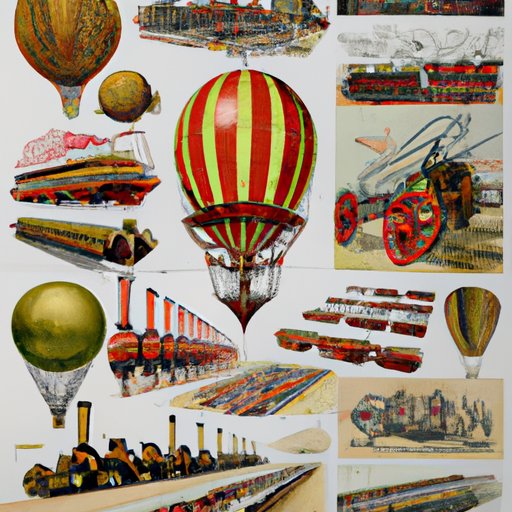
At the turn of the 20th century, travel was becoming increasingly accessible to more people than ever before. In 1912, there were a variety of transportation technologies available to people who wanted to explore the world around them. From steamships to hot air balloons, people had many options when it came to travelling from one place to another.
This article will explore the different types of transportation technologies used in 1912 and how they impacted the way people travelled. We’ll look at the benefits and limitations of each technology, as well as the most popular routes and destinations for travellers of the time.
Steamships
The steamship was one of the most popular forms of transportation in 1912. The technology was first developed in the early 19th century and was used primarily for commercial purposes. By 1912, steamships had become a reliable and efficient way to travel long distances by sea.
One of the main advantages of using a steamship to travel in 1912 was its speed. Steamships could travel much faster than traditional sailing ships, allowing passengers to reach their destinations in a fraction of the time. In addition, steamships were much more stable than sailing ships, making them a safer and more comfortable option for travellers.
Some of the most popular routes for steamship travel in 1912 included voyages between Europe and North America, as well as trips to various ports in the Caribbean and South America. Some of the most popular steamship companies of the time included the White Star Line, Cunard Line, and Hamburg America Line.
Railway Passenger Trains
Another popular form of transportation in 1912 was the railway passenger train. The technology first became available in the mid-19th century and quickly became the preferred method of long-distance travel for many people. By 1912, railway passenger trains had become a reliable and efficient way to travel both domestically and internationally.
Railway passenger trains offered several advantages over other forms of transportation. They were faster than horse-drawn carriages or steamships and could carry larger numbers of passengers. In addition, railway tracks provided a much smoother ride than the roads of the time, making rail travel a more comfortable experience.
Popular routes for railway passenger trains in 1912 included trips between major cities in Europe, such as London and Paris, as well as journeys across the United States and Canada. Many of these routes were operated by companies such as the London and North Western Railway, the Great Northern Railway, and the Pennsylvania Railroad.
Horse-Drawn Carriages
Although not as popular as other forms of transportation, horse-drawn carriages were still a viable option for travel in 1912. The technology had been around for centuries and was still widely used for short-distance travel. Horse-drawn carriages were slower than other forms of transportation, but they offered a unique and romantic experience for travellers.
One of the main advantages of horse-drawn carriages was their flexibility. They could go anywhere that horses could go, which gave passengers access to areas that were otherwise inaccessible. In addition, horse-drawn carriages were relatively inexpensive to hire and maintain, making them an economical option for travellers.
The most popular routes for horse-drawn carriage travel in 1912 included trips around major cities, such as London and Paris, as well as journeys through rural areas. Many of these routes were operated by private companies, such as the London Cab Company and the Parisian Cab Company.
Automobiles
The automobile was just beginning to gain popularity in 1912, but it was already becoming an important part of the transportation landscape. Automobiles were much faster than horse-drawn carriages and offered a more comfortable ride for passengers. By 1912, there were a variety of automobile manufacturers producing cars for both commercial and personal use.
The main advantage of automobiles was their speed. They could travel much faster than horse-drawn carriages, allowing passengers to reach their destinations in a fraction of the time. In addition, automobiles were more reliable than other forms of transportation, making them a safer and more dependable option for travellers.
Popular routes for automobile travel in 1912 included trips between major cities, such as London and Paris, as well as journeys across the United States and Canada. Many of these routes were operated by private companies, such as the Ford Motor Company and the General Motors Corporation.
Hot Air Balloons
Hot air balloons were another popular form of transportation in 1912. The technology had been around since the late 18th century and was used primarily for recreational purposes. By 1912, hot air balloons had become a reliable and efficient way to travel short distances.
The main advantage of hot air balloons was their ability to go anywhere. Unlike other forms of transportation, hot air balloons could go over obstacles and were not limited to roads or railway tracks. In addition, hot air balloons were relatively inexpensive to hire and maintain, making them an economical option for travellers.
Popular routes for hot air balloon travel in 1912 included trips over major cities, such as London and Paris, as well as journeys through rural areas. Many of these routes were operated by private companies, such as the Royal Aero Club and the Paris Balloon Company.
Zeppelins
Zeppelins were a relatively new form of transportation in 1912, but they were already becoming popular with travellers. Zeppelins were giant airships filled with hydrogen gas and powered by propellers. They could travel much faster than traditional aircraft and offered a more comfortable ride for passengers.
One of the main advantages of zeppelins was their speed. They could travel much faster than other forms of transportation, allowing passengers to reach their destinations in a fraction of the time. In addition, zeppelins were much more stable than airplanes, making them a safer and more reliable option for travellers.
Popular routes for zeppelin travel in 1912 included trips between major cities, such as London and Paris, as well as journeys across the Atlantic Ocean. Many of these routes were operated by companies such as the German Zeppelin Company and the British Imperial Airship Service.
Bicycles
Bicycles were also becoming increasingly popular in 1912. The technology had been around since the late 19th century and was used primarily for recreational purposes. By 1912, bicycles had become a reliable and efficient way to travel short distances.
The main advantage of bicycles was their affordability. They were much cheaper than other forms of transportation, making them an economical option for travellers. In addition, bicycles allowed passengers to explore areas that were otherwise inaccessible, such as narrow pathways and country roads.
Popular routes for bicycle travel in 1912 included trips around major cities, such as London and Paris, as well as journeys through rural areas. Many of these routes were operated by private companies, such as the London Bicycle Club and the Paris Bicycle Club.
Conclusion
At the turn of the 20th century, there were a variety of transportation technologies available to people who wanted to explore the world around them. From steamships to hot air balloons, people had many options when it came to travelling from one place to another.
This article has explored the different types of transportation technologies used in 1912 and how they impacted the way people travelled. We’ve looked at the benefits and limitations of each technology, as well as the most popular routes and destinations for travellers of the time.
It’s clear that the advancements in transportation technologies in 1912 had a significant impact on modern travel. These technologies allowed people to explore the world in ways that would have been impossible just a few decades earlier. From steamships to zeppelins, the transportation options of 1912 changed the way we think about travel today.
(Note: Is this article not meeting your expectations? Do you have knowledge or insights to share? Unlock new opportunities and expand your reach by joining our authors team. Click Registration to join us and share your expertise with our readers.)