
Introduction
Fashion photography is a form of art and expression that has been around for centuries. It is used to capture images of clothing, accessories, and models in order to showcase the latest fashion trends and styles. During World War II (WWII), fashion photography underwent some major changes that would shape its evolution for years to come.

Examining the Impact of WWII on Fashion Photography
The impact of WWII on fashion photography was far-reaching and long-lasting. The war had an effect on the fashion trends of the period, as well as on the economic conditions that influenced what photographers could do with their images.
During the war, fashion trends shifted away from the luxurious and glamorous styles of the 1930s to more practical, affordable designs. This was due to the rationing of fabrics and other materials, as well as the economic hardships brought about by the war. As a result, fashion photography began to focus less on glamour and more on practicality and affordability.

Exploring Changes in Fashion Photography During WWII
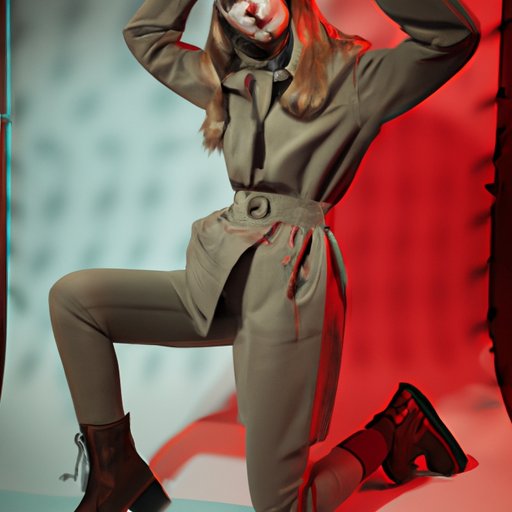
The war also had a significant impact on the aesthetic of fashion photography. The government used fashion photography as a form of propaganda, encouraging people to purchase items that were deemed necessary for the war effort. Photographers began to use bold colors and dramatic lighting to create powerful images that conveyed the message of patriotism and strength.
In addition, photographers had to adapt to the new conditions of wartime. They had to improvise when it came to equipment and materials, and they had to find creative ways to make their images stand out. This led to a shift away from traditional fashion photography techniques, such as using elaborate sets and props, and towards more natural, candid shots.
The war also saw an increase in the number of female photographers. Many male photographers had gone off to fight, leaving women to take up the mantle of fashion photography. These female photographers often focused on capturing images of strong, independent women who could be seen as role models for others.
How War Shaped the Evolution of Fashion Photography
The war had a major impact on the evolution of fashion photography. It changed the way photographers approached their work and the types of images they created. Here are some of the ways the war shaped the look of fashion photography:
- Increased focus on practicality and affordability: With rationing of materials and supplies, fashion photography began to focus less on luxury and extravagance and more on practicality and affordability. This meant that photographers had to get creative with their images, finding ways to make them stand out without relying on expensive props and sets.
- Emphasis on natural beauty and glamor: Despite the hardship of the war, fashion photography still managed to capture the beauty and glamour of the era. Photographers emphasized the natural beauty of their subjects, often creating stunning images with minimal props and sets.
- More creative approaches to fashion photography: In order to stand out from the crowd, photographers had to be more creative with their images. This meant experimenting with different techniques, such as using bold colors and dramatic lighting, and taking more risks with their compositions.
An Analysis of How WWII Influenced Fashion Photography
In addition to the changes in fashion trends and aesthetics, the war also had an impact on the technology and materials available to photographers. Advances in camera technology allowed photographers to create sharper, more detailed images than ever before. And new materials, such as plastics and synthetic fabrics, gave photographers more options when it came to creating unique looks.
The war also had a major influence on the aesthetic of fashion photography. Photographers began to move away from the overly glamorous images of the past and towards more realistic depictions of everyday life. This shift was reflected in the fashion trends of the period, which focused on practicality and affordability.

How WW II Changed the Look of Fashion Photography
The look of fashion photography during WWII was drastically different from pre-war styles. Here are some of the main ways the war changed the look of fashion photography:
- Shift from glamorous images to more realistic depictions: Fashion photography during the war focused less on luxury and extravagance and more on capturing everyday life. Photographers used bold colors and dramatic lighting to create powerful images that conveyed the message of patriotism and strength.
- Use of bold colors and dramatic lighting: Photographers during the war experimented with different techniques, such as using bold colors and dramatic lighting, to create more striking images. This helped to emphasize the natural beauty of their subjects and create more powerful images.
- Focus on strong female characters: Female photographers during the war often focused on capturing images of strong, independent women who could be seen as role models for others. This helped to challenge traditional gender roles and redefine the concept of beauty.
Comparing Pre- and Post-WWII Fashion Photography
It’s interesting to compare pre- and post-WWII fashion photography. Before the war, fashion photography was dominated by luxurious and glamorous images. But after the war, fashion photography began to focus more on practicality and affordability, with bold colors and dramatic lighting being used to create powerful images.
It’s also interesting to note the differences between the two eras in terms of the types of models used. During the war, female models tended to be older and more mature, while post-war models were younger and more glamorous. This shift reflects the changing attitudes towards beauty and fashion during the period.
Documenting the Transformation of Fashion Photography During WWII
There are many iconic fashion photographs from the WWII era that document the transformation of fashion photography. These images show us how photographers adapted to the new conditions of wartime and how they used bold colors and dramatic lighting to create powerful images.
Some of the most famous fashion photographs from this era include Richard Avedon’s “Dovima with Elephants”, Irving Penn’s “Women of Vogue”, and Norman Parkinson’s “Model with a Bouquet”. These images demonstrate how fashion photography changed over the course of the war and how photographers used their creativity to create stunning works of art.
Conclusion
World War II had a major impact on fashion photography. It changed the way photographers approached their work, the types of images they created, and the overall look of fashion photography. The war saw a shift away from glamorous images to more realistic depictions and an increased emphasis on practicality and affordability. It also saw an increase in the number of female photographers and a greater focus on strong female characters.
The legacy of WWII can still be seen in modern fashion photography. The use of bold colors and dramatic lighting, the focus on practicality and affordability, and the emphasis on natural beauty and glamour are all elements that have been shaped by the war. Understanding how fashion photography changed during WWII can help us appreciate the art form today and understand the impact of the war on modern fashion photography.
(Note: Is this article not meeting your expectations? Do you have knowledge or insights to share? Unlock new opportunities and expand your reach by joining our authors team. Click Registration to join us and share your expertise with our readers.)