
Introduction
A crypto wallet is a digital wallet that allows users to store, send, and receive cryptocurrencies. It functions similarly to a traditional bank account, allowing users to purchase goods and services with their cryptocurrency, and to transfer funds to other users. The main difference between a crypto wallet and a traditional bank account is that crypto wallets are decentralized and not regulated by any government or financial institution.
The purpose of this article is to explore how crypto wallets work, including the different types of wallets, the security features they offer, the steps needed to set up a wallet, and the pros and cons of using them.
Types of Crypto Wallets and How They Work
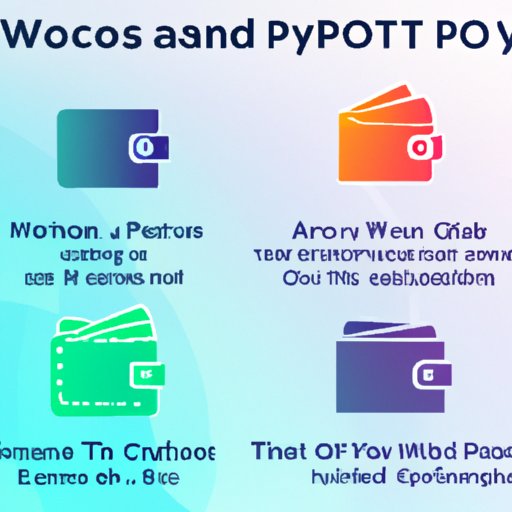
Crypto wallets come in many forms, but can generally be divided into four main categories: hot wallets, cold wallets, hardware wallets, and paper wallets.
Hot Wallets
Hot wallets are wallets that are connected to the internet. They are the most popular type of wallet since they are easy to use and allow users to access their funds from any device. Hot wallets usually come in the form of apps or desktop programs and are often free to download. Examples of popular hot wallets include Coinbase, Exodus, and MyEtherWallet.
Cold Wallets
Cold wallets are wallets that are stored offline. These wallets are more secure than hot wallets since they are not connected to the internet, making them less vulnerable to hacks and other security threats. Cold wallets come in the form of physical devices, such as USB drives or dedicated hardware wallets. Examples of popular cold wallets include Ledger Nano S, Trezor, and KeepKey.
Hardware Wallets
Hardware wallets are physical devices that are used to store cryptocurrency. They are similar to cold wallets in that they are not connected to the internet, but they also offer additional security features, such as PIN codes and two-factor authentication. Examples of popular hardware wallets include Ledger Nano S, Trezor, and KeepKey.
Paper Wallets
Paper wallets are wallets that are printed out on paper. They are the least secure type of wallet since they are vulnerable to physical damage, but they are also the most private since they do not require any personal information to set up. Examples of popular paper wallets include BitAddress and WalletGenerator.
Security Features of Crypto Wallets
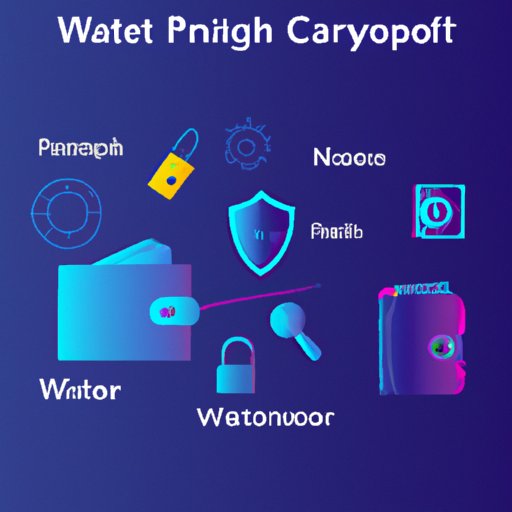
Crypto wallets offer a variety of security features to protect users’ funds. Some of the most common security features include private keys, two-factor authentication, multi-signature, and backup and restoration.
Private Keys
Private keys are unique strings of alphanumeric characters that are used to access a wallet. They are similar to passwords, but much longer and more complex. Private keys are generated when a wallet is first set up and must be kept secret at all times. Accessing a wallet without the correct private key is impossible.
Two-Factor Authentication
Two-factor authentication (2FA) is an extra layer of security that requires users to enter a code sent to their mobile device in addition to their password. This makes it much harder for hackers to gain access to a wallet since they would need both the password and the code. Most crypto wallets offer 2FA as an optional security feature.
Multi-Signature
Multi-signature (or “multisig”) is a security feature that requires multiple people to sign off on a transaction before it can be completed. This is useful for businesses and organizations that need to maintain control over their funds. Most crypto wallets offer multisig as an optional security feature.
Backup and Restoration
Backup and restoration is a security feature that allows users to back up their wallet and restore it if it is ever lost or stolen. This allows users to keep their funds safe even if their device is compromised. Most crypto wallets offer backup and restoration as an optional security feature.
Steps for Setting up a Crypto Wallet
Setting up a crypto wallet is relatively straightforward and can usually be done in just a few simple steps.
Choose a Type of Wallet
The first step is to choose a type of wallet. As discussed earlier, there are four main types of wallets: hot wallets, cold wallets, hardware wallets, and paper wallets. Each type has its own advantages and disadvantages, so it’s important to do some research to find the best option for your needs.
Download the Wallet
Once you’ve chosen a type of wallet, the next step is to download and install the wallet. For hot wallets, this usually involves downloading an app or program to your computer or mobile device. For cold wallets, this usually involves purchasing a physical device. For hardware wallets, this usually involves connecting the device to your computer via USB. For paper wallets, this usually involves generating a new address and printing it out.
Generate a Private Key
The next step is to generate a private key. This is a unique string of alphanumeric characters that is used to access your wallet. Private keys should always be kept secret and never shared with anyone.
Back Up Your Wallet
It is important to back up your wallet in case it is ever lost or stolen. Most wallets have built-in backup and restoration features, so it’s best to take advantage of these. It is also a good idea to write down your private key and store it in a safe place.
Set Up Two-Factor Authentication
If your wallet supports two-factor authentication (2FA), it is recommended that you enable it. 2FA adds an extra layer of security to your wallet by requiring you to enter a code sent to your mobile device in addition to your password. This makes it much harder for hackers to gain access to your funds.
Pros and Cons of Using Crypto Wallets
Crypto wallets offer many benefits, but there are also some potential drawbacks to consider.
Pros
One of the biggest advantages of using a crypto wallet is that it allows you to securely store, send, and receive cryptocurrencies. Another advantage is that most wallets are free to use and easy to set up. Additionally, many wallets offer advanced security features, such as two-factor authentication and multi-signature, to help protect your funds.
Cons
One of the biggest drawbacks of using a crypto wallet is that it is vulnerable to hacks and other security threats. Additionally, some wallets may charge fees for certain transactions or services. Finally, crypto wallets are not insured by the FDIC, so you could potentially lose your funds if something were to happen to the wallet provider.
Sending and Receiving Payments with Crypto Wallets
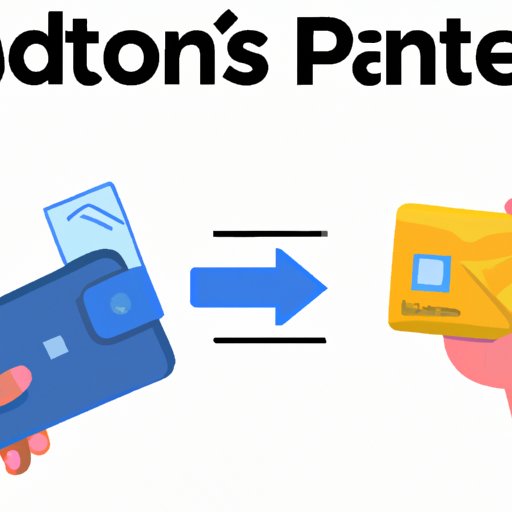
Once you’ve set up your wallet, you can start sending and receiving payments. Sending and receiving payments is relatively straightforward and usually takes just a few minutes.
Sending Payments
To send a payment, you will need the recipient’s public address. You can then enter the amount you wish to send and confirm the transaction. Once the transaction is confirmed, the funds will be transferred to the recipient’s wallet.
Receiving Payments
To receive a payment, you will need to provide the sender with your public address. Once the sender has entered your address and confirmed the transaction, the funds will be transferred to your wallet.
Conclusion
Crypto wallets offer a convenient and secure way to store, send, and receive cryptocurrencies. They come in many forms, including hot wallets, cold wallets, hardware wallets, and paper wallets. They also offer a variety of security features, such as private keys, two-factor authentication, multi-signature, and backup and restoration. Setting up a wallet is relatively straightforward, and once it is set up, you can start sending and receiving payments. However, it is important to be aware of the potential risks associated with using crypto wallets, such as the risk of losing your funds due to a hack or other security threat.
(Note: Is this article not meeting your expectations? Do you have knowledge or insights to share? Unlock new opportunities and expand your reach by joining our authors team. Click Registration to join us and share your expertise with our readers.)