
Introduction
Computer science has had a profound impact on the music industry in recent years. From algorithms and artificial intelligence to digital audio workstations and streaming services, technology is allowing us to create, produce, and experience music in ways that were previously unimaginable. In this article, we will explore how computer science has revolutionized the world of music.
How Algorithms are Used to Create Music
Algorithms have become an integral part of the music-making process. They can be used to generate new melodies, harmonies, and rhythms, as well as to compose entire songs. As researcher and composer David Cope explains, “We now have machines that can write music that is indistinguishable from music composed by humans.”
The most popular example of algorithmic composition is Melodrive, an artificial intelligence system developed by Jukedeck. This system uses algorithms to generate unique melodies, chords, and rhythms in real time. It has been used to create songs for films, video games, and advertisements. Other examples of algorithms being used in music include Google’s Magenta project, which uses machine learning to create original compositions, and Spotify’s “Discover Weekly” feature, which curates personalized playlists based on your listening habits.
The Use of Artificial Intelligence in Creating New Sounds
Artificial intelligence (AI) is also being used to create new sounds and instruments. AI-based synthesizers like Google’s NSynth Super use algorithms to generate unique timbres and textures that would be impossible to recreate with traditional instruments. AI-generated music is becoming increasingly popular, with artists like Taryn Southern and Holly Herndon using it to create their own unique soundscapes.
How Digital Audio Workstations (DAWs) Have Revolutionized the Recording Process
Digital audio workstations (DAWs) have revolutionized the recording process. A DAW is a computer program that allows users to record, edit, and mix audio. They are widely used in professional recording studios, and allow producers to create complex soundscapes with ease. Popular DAWs include Pro Tools, Logic Pro, and Ableton Live.
The Role of Software in Producing and Mixing Music
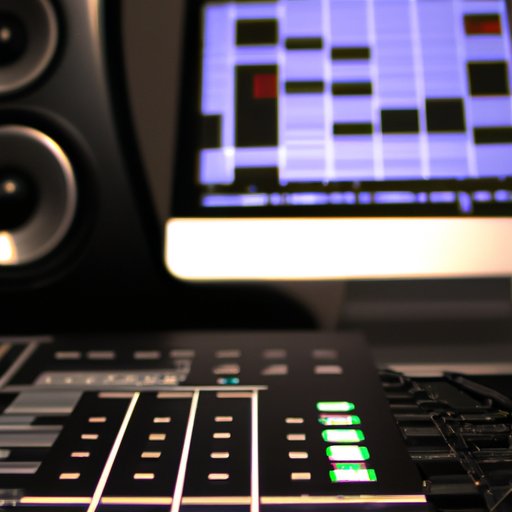
Software is also playing an important role in the production and mixing of music. There are many different types of software available, ranging from virtual instruments and effects plugins to sampling and looping tools. These tools allow producers to create unique sounds and effects that would be impossible to achieve with traditional instruments. Popular software used in music production includes Native Instruments’ Maschine, Avid’s Pro Tools, and Ableton Live.
The Development of Electronic Instruments and Their Influence on Modern Music
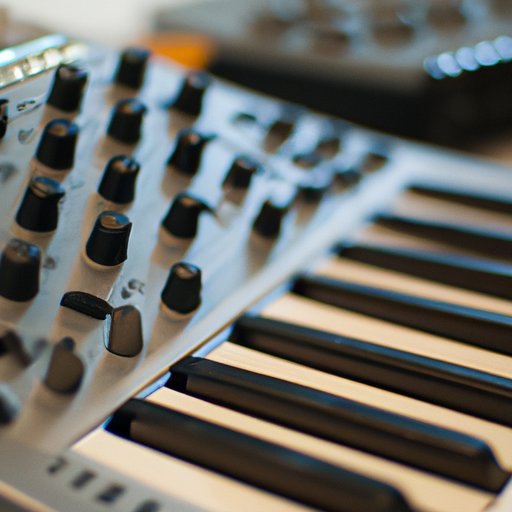
Electronic instruments have had a major influence on modern music. Synthesizers, drum machines, and samplers have been used by musicians for decades to create unique sounds that would be impossible with traditional instruments. Today, electronic instruments are more powerful and versatile than ever before, allowing producers to create complex soundscapes with ease.

The Impact of Streaming Services on Music Distribution
Streaming services such as Spotify and Apple Music have completely changed the landscape of music distribution. These services allow artists to reach a wider audience and make money from their music without having to rely on physical sales or radio airplay. According to a study by the International Federation of the Phonographic Industry, global music streaming revenue grew by 35% in 2018, while overall music industry revenue rose by 9.7%.
The Emergence of Virtual Reality in the Music Industry
Virtual reality (VR) is another technology that is beginning to have an impact on the music industry. VR headsets allow users to experience music in a whole new way, immersing them in a 3D environment where they can interact with virtual instruments and explore different soundscapes. Artists like Imogen Heap and Björk have already begun experimenting with VR, and it is likely that this technology will continue to grow in popularity in the coming years.
Conclusion
Computer science has had a profound impact on the music industry in recent years. From algorithms and artificial intelligence to digital audio workstations and streaming services, technology is allowing us to create, produce, and experience music in ways that were previously unimaginable. As technology continues to evolve, so too will the possibilities for music-making.
As we have seen, computer science has revolutionized the music industry in numerous ways. From algorithms and artificial intelligence to digital audio workstations and streaming services, technology is allowing us to create, produce, and experience music in ways that were previously unimaginable. The future of music looks brighter than ever, and it is exciting to think of what may come next.
(Note: Is this article not meeting your expectations? Do you have knowledge or insights to share? Unlock new opportunities and expand your reach by joining our authors team. Click Registration to join us and share your expertise with our readers.)