
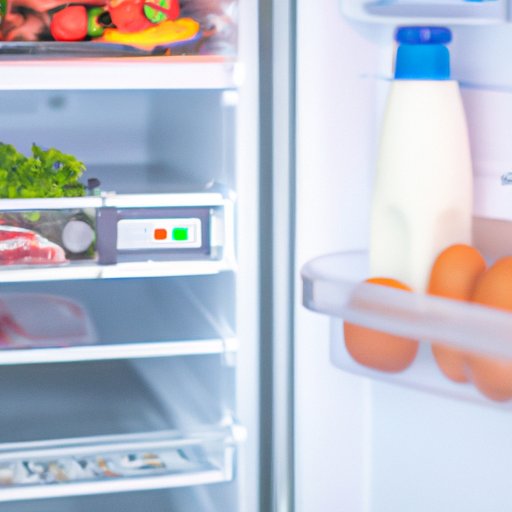
Introduction: Explaining the Problem of Setting Refrigerator Temperatures
Though refrigerators have been around for decades, many people still struggle with setting their refrigerator temperatures correctly. This is due to the fact that there are a variety of factors that can affect the ideal temperature range for food storage. In this article, we’ll explore how cold does a fridge need to be and what you should consider when setting up your refrigerator.
Exploring the Ideal Temperature for Your Fridge: How Cold Does it Need to Be?
The optimal temperature range for food storage in a refrigerator is between 32°F and 40°F (0°C and 4.4°C). Anything lower than 32°F will cause food to freeze, while anything higher than 40°F will allow bacteria to grow more rapidly.
What Happens if the Temperature is Too High or Too Low?
If the temperature is too high, food will spoil faster due to the growth of bacteria. This can lead to food poisoning and other health problems. On the other hand, if the temperature is too low, food can freeze, which can ruin its texture and flavor.

Setting Up Your Fridge: Finding the Right Temperature for Optimal Food Storage
When setting up your refrigerator, there are several factors to consider. These include the size and type of refrigerator, the number of times the door is opened and closed, the location of the appliance, the amount of food stored in it, and the ambient temperature in the kitchen.

Steps to Take to Set Up Your Fridge
To ensure that your refrigerator is set up properly, follow these steps:
- Check the manufacturer’s instructions for the recommended temperature range.
- Adjust the temperature control knob until the desired temperature is reached.
- Wait 24 hours before adding any food to the refrigerator.
- Monitor the temperature regularly to make sure it stays within the recommended range.
The Science Behind Refrigerator Temperatures: What You Need to Know
Understanding the science behind food spoilage is key to setting the right temperature for your refrigerator. Bacteria are responsible for the majority of food spoilage. These microorganisms require certain temperatures to survive and thrive, and they multiply quickly when the temperature is too high.

Microorganisms and Their Temperature Requirements
Different types of microorganisms require different temperatures to survive and reproduce. For example, yeast and mold prefer warmer temperatures (around 70°F or 21°C), while bacteria prefer cooler temperatures (around 40°F or 4°C). Knowing this information can help you to set the correct temperature for your fridge.
Tips for Setting Your Fridge Temperature to Keep Your Food Safe
To ensure that your food remains safe and free from contamination, follow these tips for setting your refrigerator temperature:
- Check the temperature regularly using a thermometer to make sure it is within the recommended range.
- Keep the door closed as much as possible to avoid fluctuations in temperature.
- Avoid overfilling the fridge, as this can cause the temperature to rise.
- Store perishable food items on the bottom shelves, as this is where the coldest air accumulates.

Maintaining a Healthy Fridge Environment: Understanding the Necessary Temperature Range
In addition to setting the right temperature, it is important to keep your refrigerator clean and sanitized. This will help to prevent the growth of bacteria and other microorganisms. Regularly cleaning and sanitizing the interior of your fridge will also help to maintain a healthy environment.
Understanding the Role of Humidity
Humidity levels inside the fridge can also affect food safety. A humidity level of 50-70% is ideal for most foods, as this helps to reduce the growth of bacteria. To maintain this level, try to avoid storing wet or damp items in the refrigerator.
Conclusion
Setting the right temperature for your refrigerator is essential for keeping your food safe and preventing bacteria from growing. The ideal temperature range for food storage is between 32°F and 40°F (0°C and 4.4°C). Consider the size of your refrigerator, the number of times the door is opened and closed, and the ambient temperature in the kitchen when setting the temperature. Additionally, make sure to clean and sanitize your fridge regularly, and monitor the humidity level to ensure that it is within the recommended range.
Summary of Key Points
- The ideal temperature range for food storage in a refrigerator is between 32°F and 40°F (0°C and 4.4°C).
- Factors such as the size of the fridge, the frequency of door openings, and the ambient temperature in the kitchen can affect the ideal temperature range.
- Different types of microorganisms require different temperatures to survive and reproduce.
- Regularly check the temperature of your fridge using a thermometer, and clean and sanitize it regularly.
- Maintain a humidity level of 50-70% to reduce the growth of bacteria.
Final Thoughts
By following the guidelines outlined in this article, you can ensure that your refrigerator is set up correctly and that your food remains safe from contamination. Remember to check the temperature regularly and take steps to adjust it if necessary. With the right temperature, you can keep your food fresh and enjoy it for longer.
(Note: Is this article not meeting your expectations? Do you have knowledge or insights to share? Unlock new opportunities and expand your reach by joining our authors team. Click Registration to join us and share your expertise with our readers.)