
Introduction
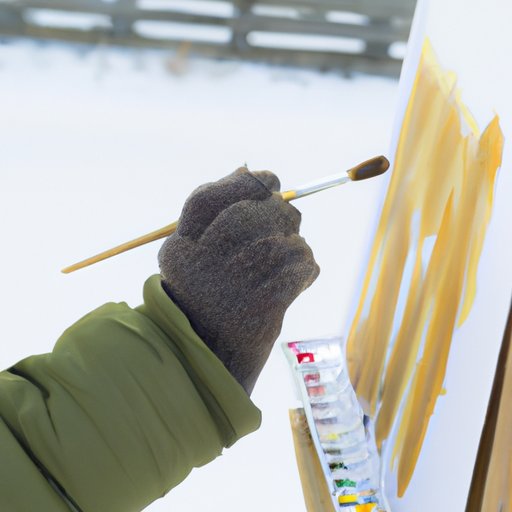
Painting outdoors in cold weather can be a challenging task. The cold temperatures can affect the materials being used as well as the ability to apply paint smoothly. In addition, there is an increased risk of injury due to the cold weather. This article will provide tips and strategies for successfully completing outdoor paint jobs in cold conditions.
Exploring the Effects of Cold Weather on Outdoor Painting Projects
Cold temperatures can have a significant impact on paint materials. For example, paint that has been stored at low temperatures may thicken, making it more difficult to apply. Additionally, some paints may become brittle and crack when exposed to cold temperatures. These issues can make it difficult to achieve a smooth, even finish on the painted surface.
In addition to affecting the quality of the paint materials, cold weather can also make it difficult to apply paint. Paint may not adhere properly to a cold surface, resulting in streaks or uneven coverage. Furthermore, cold temperatures can cause paint to dry too quickly, making it difficult to achieve a uniform finish.
Finally, working in cold temperatures increases the risk of injury due to slips, falls, and other accidents. According to a study conducted by the National Institute for Occupational Safety and Health (NIOSH), “working in extremely cold temperatures can increase the risk of hypothermia, frostbite, and other cold-related illnesses.” Therefore, it is important to take the necessary precautions to ensure safety while working in cold weather.

Tips for Staying Warm While Painting Outdoors in Cold Weather
When painting outdoors in cold weather, it is important to dress appropriately. Layering clothing can help to keep you warm while allowing you to move freely. Wearing insulated gloves, hats, and boots can also help to protect against the cold. In addition, safety goggles and masks should be worn to protect against dust, debris, and fumes.
Using heaters or other warming devices can also help to keep you warm while working in cold temperatures. However, it is important to ensure proper ventilation when using heating devices, as this can reduce the risk of fire or carbon monoxide poisoning.
Finally, it is important to take regular breaks indoors to warm up and rest. Taking breaks from the cold can help to prevent fatigue and maintain focus on the task at hand.

How to Prepare for Cold Weather Painting Projects
Before starting any painting project, it is important to inspect the surface for damage. Cold temperatures can cause cracks and other defects in surfaces, which can affect the quality of the finished product. In addition, it is important to store paint and equipment in a warm, dry place to prevent damage from cold temperatures.
It is also important to ensure that tools are properly maintained before beginning a cold weather painting project. This includes cleaning brushes, rollers, and other tools to ensure they are free of dirt and debris. Additionally, replacing blades, screws, and other parts as needed can help to ensure that tools are in good working order.

The Challenges of Painting Outdoors in Cold Temperatures
Applying paint in cold temperatures can be difficult, as the paint may not adhere properly to a cold surface. This can result in streaks or uneven coverage. Additionally, cold temperatures can cause paint to dry too quickly, making it difficult to achieve a uniform finish.
Maintaining a steady temperature for drying times can also be a challenge when painting outdoors in cold weather. Rapid fluctuations in temperature can cause the paint to dry too quickly or too slowly, resulting in cracking or bubbling. In addition, condensation and frost can form on surfaces, making it difficult to achieve a smooth finish.
What to Wear When Painting Outdoors in Cold Climates
When painting outdoors in cold climates, it is important to dress appropriately. Layering clothing can help to keep you warm while allowing you to move freely. Wearing insulated gloves, hats, and boots can also help to protect against the cold. In addition, safety goggles and masks should be worn to protect against dust, debris, and fumes.
Strategies for Successfully Completing Outdoor Paint Jobs in Cold Conditions
Planning ahead and scheduling around cold weather can help to ensure a successful paint job. If possible, try to plan the project for warmer months to reduce the risk of complications due to cold temperatures. Additionally, ensuring proper ventilation when using heating devices can help to reduce the risk of fire or carbon monoxide poisoning.
Working in short bursts can also help to keep you warm while completing an outdoor paint job in cold conditions. Taking short breaks in between bouts of painting can help to keep you alert and focused on the task at hand.
Conclusion
Painting outdoors in cold weather can be a challenging task. However, with the right preparation and strategies in place, it is possible to complete a successful paint job in cold temperatures. By wearing appropriate clothing, using heaters or other warming devices, and taking regular breaks indoors, you can stay warm and safe while completing your outdoor paint job.
(Note: Is this article not meeting your expectations? Do you have knowledge or insights to share? Unlock new opportunities and expand your reach by joining our authors team. Click Registration to join us and share your expertise with our readers.)