
Introduction
One of the most important aspects of vehicle maintenance and safety is paying attention to the pressure in your tires. Having the right amount of pressure in your tires can make a big difference when it comes to performance, fuel economy, and even your car’s longevity. But how close to max psi should your tires be?
In this article, we’ll explore the importance of tire pressure and discuss the factors that affect the recommended levels. We’ll also look at the consequences of over-inflating your tires, as well as the benefits of maintaining proper tire pressure. Finally, we’ll provide 10 tips for ensuring optimal tire pressure levels.
5 Reasons Why You Should Pay Attention to Your Tire Pressure
Before we get into the specifics of how close to max psi your tires should be, let’s take a quick look at why tire pressure is so important. Here are five key benefits of properly inflated tires:
Safety
First and foremost, proper tire pressure is essential for vehicle safety. According to an article from Goodyear, “Underinflated tires can cause tire failure due to heat build-up. This heat build-up can cause tread separation and blowouts, leading to dangerous road conditions.”
Improved Handling
Another key benefit of having the right amount of air in your tires is improved handling. An article from YourMechanic.com states that “underinflated tires can cause the sidewalls to flex excessively, resulting in a squishy feeling when cornering and braking. Overinflated tires can cause the center tread to wear faster than the rest of the tire, resulting in poor traction.”
Better Fuel Economy
Maintaining the correct air pressure in your tires can also help you save money on gas. According to FuelEconomy.gov, “Underinflated tires can lower gas mileage by 0.2% for every 1 psi drop in all four tires. Properly inflated tires are safer and last longer.”
Extended Tire Life
Having the right amount of air in your tires can also help them last longer. As the Discount Tire website states, “If your tires are underinflated, they will have increased rolling resistance, causing them to wear out faster. Overinflated tires may not provide enough grip on the road and can cause uneven wear patterns.”
Reduced Wear and Tear on Vehicle Components
Finally, having the proper tire pressure can help reduce wear and tear on other components of your vehicle. An article from YourMechanic.com explains that “underinflated tires can cause excessive wear on suspension and steering components, resulting in costly repairs. Overinflated tires can cause increased strain on wheel bearings and other drivetrain components.”

The Proper Tire Pressure for Maximum Performance
Now that we’ve discussed the benefits of properly inflated tires, let’s take a look at how close to max psi your tires should be for maximum performance. There are several factors that can affect the recommended tire pressure levels, including the type of vehicle, the size of the tires, and the load being carried.
According to the Discount Tire website, “the ideal tire pressure for passenger vehicles is usually around 32-35 psi (pounds per square inch) when cold.” The website also notes that “for light truck tires, the recommended tire pressure is usually around 80-85 psi.” It’s important to note that these numbers may vary depending on the specific make and model of your vehicle.
What Happens When Your Tires Are Over-Inflated?
It’s important to remember that having too much air in your tires can be just as dangerous as having too little. Here are three potential consequences of over-inflating your tires:
Increased Risk of Blowouts
One of the biggest risks of over-inflating your tires is the increased risk of blowouts. According to an article from Goodyear, “overinflated tires can cause excessive heat buildup, which can lead to tire failure.”
Unbalanced Weight Distribution
Having too much air in your tires can also cause unbalanced weight distribution. An article from YourMechanic.com states that “overinflated tires can cause the center tread to wear faster than the rest of the tire, resulting in poor traction.”
Reduced Traction
Finally, over-inflated tires can also reduce traction. According to an article from Goodyear, “overinflated tires can cause the contact patch of the tire to become smaller, resulting in reduced traction.”
How to Get the Most Out of Your Tires with Proper Inflation
Now that we’ve discussed the consequences of over-inflating your tires, let’s look at some tips for getting the most out of your tires with proper inflation. Here are a few things you can do to ensure that your tires are always at the correct pressure:
Checking Tire Pressure Regularly
The first step is to check your tire pressure regularly. According to the Discount Tire website, “it is recommended that you check your tire pressure at least once a month.”
Monitoring Temperature Changes
It’s also important to monitor temperature changes, as this can affect the pressure in your tires. An article from YourMechanic.com explains that “as the temperature rises and falls, so does the air pressure in your tires.”
Adjusting Tire Pressure When Necessary
Finally, it’s important to adjust your tire pressure when necessary. According to the Discount Tire website, “if your tires are over- or under-inflated, you should adjust the air pressure accordingly.”
The Benefits of Maintaining Correct Tire Pressure
Maintaining the correct tire pressure can offer several benefits, including:
Improved Vehicle Safety
As we discussed earlier, having the right amount of air in your tires can help keep you and your passengers safe. According to an article from Goodyear, “properly inflated tires can help you maintain control of your vehicle in difficult driving situations.”
Enhanced Driving Comfort
Having the proper tire pressure can also make your ride more comfortable. An article from YourMechanic.com states that “properly inflated tires will help absorb bumps in the road, resulting in a smoother ride.”
Lower Fuel Consumption
Finally, maintaining the correct tire pressure can help you save money on gas. According to FuelEconomy.gov, “properly inflated tires can improve your gas mileage by up to 3%.”

10 Tips for Ensuring Optimal Tire Pressure Levels
Now that we’ve discussed the benefits of maintaining the correct tire pressure, here are 10 tips for ensuring that your tires are always at the optimal level:
Check Tire Pressure at Least Once a Month
It’s important to check your tire pressure at least once a month. This can help you identify any issues with your tires before they become serious problems.
Always Consult Your Owner’s Manual
Make sure to consult your owner’s manual for the recommended tire pressure for your vehicle. This can help ensure that your tires are always at the optimal level.
Monitor Tire Pressure During Extreme Weather Conditions
Be sure to keep an eye on your tire pressure during extreme weather conditions, as this can have an effect on the pressure in your tires.
Check Pressure Before Long Trips
It’s also a good idea to check your tire pressure before long trips. This can help ensure that your tires are in good condition for the journey.
Use a Tire Gauge
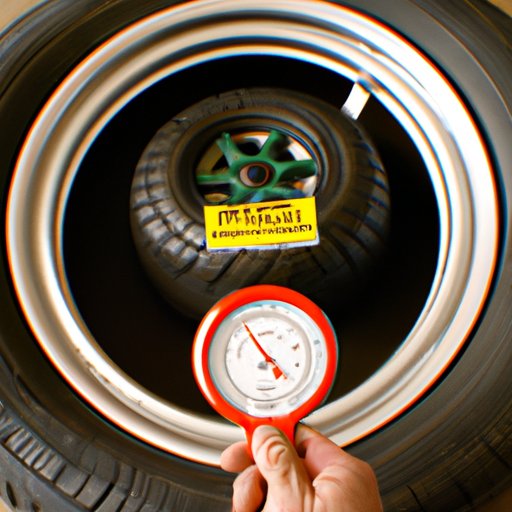
When checking your tire pressure, it’s important to use a tire gauge. This can help you get an accurate reading of the pressure in your tires.
Make Sure the Valve Caps are Secure
It’s also important to make sure that the valve caps on your tires are secure. This can help prevent air from escaping and causing your tires to become under-inflated.
Look for Signs of Tire Damage
When checking your tires, be sure to look for any signs of damage. If you notice any cracks or bulges, it’s important to have them inspected by a professional.
Rotate Tires Regularly
It’s also important to rotate your tires regularly. This can help ensure that your tires wear evenly and last longer.
Monitor Tire Wear Patterns
When inspecting your tires, be sure to look for any unusual wear patterns. If you notice any signs of uneven wear, it could indicate that your tires need to be adjusted.
Replace Worn Tires
If your tires are worn or damaged, it’s important to replace them as soon as possible. This can help ensure that you and your passengers stay safe on the road.
Have Your Tires Balanced and Aligned
Finally, it’s important to have your tires balanced and aligned regularly. This can help ensure that your tires are always in good condition and performing optimally.
Conclusion
In conclusion, having the right amount of air in your tires is essential for vehicle safety, performance, and longevity. It’s important to remember that the recommended tire pressure for passenger vehicles is usually around 32-35 psi, while the recommended tire pressure for light truck tires is usually around 80-85 psi. It’s also important to remember that having too much air in your tires can be just as dangerous as having too little. Lastly, it’s important to check your tire pressure regularly and adjust it when necessary. By following these tips, you can help ensure that your tires are always in good condition and performing optimally.
(Note: Is this article not meeting your expectations? Do you have knowledge or insights to share? Unlock new opportunities and expand your reach by joining our authors team. Click Registration to join us and share your expertise with our readers.)