

Introduction
Climate change is a global phenomenon that has been caused by human activities. It is defined as a long-term change in the average temperature, precipitation, and other characteristics of the Earth’s climate. As the climate changes, it can have significant impacts on human health, from mental health to respiratory health and beyond. In this article, we will explore how climate change is affecting health, highlighting the impact of rising temperatures, air pollution, extreme weather events, food insecurity, vector-borne diseases, water scarcity, and coastal flooding.

Highlighting the Impact of Rising Temperatures on Global Health
Heatwaves are becoming more frequent and intense due to climate change, and they can have serious implications for human health. Heatwaves can lead to dehydration, heat exhaustion, and heat stroke, all of which can be fatal if not treated quickly. Additionally, prolonged exposure to high temperatures can increase the risk of cardiovascular and respiratory disease. For example, a study in California found that an increase in average temperature of 1°C was associated with an 8% increase in mortality from cardiovascular and respiratory causes.
Heat also has an impact on mental health. Studies have found that extreme heat can lead to increased levels of anxiety, depression, and stress. This is especially true for people who are already vulnerable due to poverty or pre-existing mental health issues. Heat can also worsen existing mental health conditions, such as schizophrenia, bipolar disorder, and post-traumatic stress disorder.
Examining How Air Pollution Affects Respiratory Health
Air pollution is another issue that is exacerbated by climate change. As the climate warms, air quality declines due to emissions from burning fossil fuels and other pollutants. Poor air quality can lead to a variety of health problems, including respiratory illnesses such as asthma and chronic obstructive pulmonary disease (COPD). Long-term exposure to poor air quality can even lead to premature death.
In addition to causing respiratory problems, air pollution can also have negative effects on cognitive development and mental health. A recent study found that exposure to air pollution during pregnancy can lead to lower IQ scores in children. Additionally, air pollution has been linked to an increased risk of depression and anxiety.
Exploring the Link Between Extreme Weather Events and Mental Health
Extreme weather events, such as hurricanes, floods, and droughts, are becoming more frequent and intense due to climate change. These events can have devastating physical and psychological consequences for those affected. Natural disasters can cause displacement, loss of employment, and financial hardship, all of which can lead to mental health issues such as anxiety, depression, and post-traumatic stress disorder.
It is important to recognize the psychological toll of extreme weather events and provide support for those affected. Support can come in the form of counseling, therapy, or simply providing emotional support to those in need. Additionally, it is important to develop strategies for coping with natural disasters, such as creating an emergency plan and having access to essential items such as food and water.

Reviewing the Health Risks Associated with Food Insecurity Due to Climate Change
Climate change is also leading to food insecurity, which is defined as limited or uncertain access to food due to economic or environmental factors. Food insecurity can have serious implications for human health, as malnutrition can lead to a variety of physical and mental health issues. Additionally, food insecurity can lead to higher rates of obesity due to the consumption of low-nutrient, high-calorie foods.
Climate change is exacerbating food insecurity in many parts of the world, as extreme weather events can disrupt agricultural production. Additionally, increasing temperatures can lead to crop failure, while rising sea levels can lead to saltwater intrusion in coastal areas, making the land unsuitable for farming. Climate change is also leading to increasing food prices, making it more difficult for people to afford nutritious food.
Discussing How Vector-Borne Diseases are Spreading Due to a Warmer Climate
Vector-borne diseases, such as malaria and Zika virus, are spread by insects, such as mosquitoes. As the climate warms, these insects are able to survive in more regions, allowing them to spread disease further than before. Additionally, warmer temperatures can lead to a shorter incubation period for the diseases, meaning they can spread more quickly.
To reduce the spread of vector-borne diseases, it is important to take preventative measures such as using insect repellent, wearing protective clothing, and avoiding standing water. Additionally, public health initiatives should focus on reducing mosquito populations through targeted spraying and eliminating breeding sites. By taking these steps, it is possible to reduce the spread of vector-borne diseases.
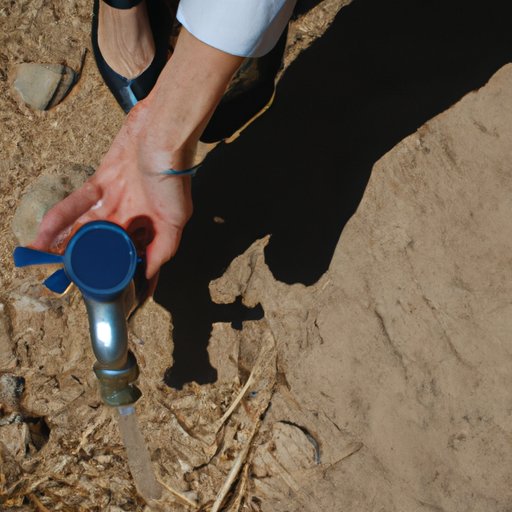
Investigating the Effect of Water Scarcity on Public Health
Water scarcity is a growing problem due to climate change, and it can have serious implications for public health. In areas experiencing water scarcity, people may not have access to clean drinking water, which can lead to gastrointestinal illnesses and dehydration. Additionally, lack of access to clean water can lead to poor hygiene, which can increase the risk of infectious diseases.
To address water scarcity, it is important to focus on conservation measures, such as reducing water waste and improving water efficiency. Additionally, efforts should be made to increase access to clean drinking water, particularly in areas that are most vulnerable to water scarcity. Lastly, it is important to invest in infrastructure projects that can help ensure access to clean drinking water.
Analyzing How Coastal Flooding is Impacting Communities’ Access to Healthcare
Coastal flooding is another consequence of climate change, and it can have a significant impact on access to healthcare. Flooding can damage roads, making it difficult for people to reach medical facilities. Additionally, flooding can damage hospitals and other healthcare infrastructure, leading to disruption in services. This is especially problematic for people living in rural areas, where there is often limited access to healthcare.
To improve access to healthcare during coastal flooding, it is important to invest in resilient infrastructure, such as elevated roads and flood-resistant buildings. Additionally, emergency plans should be developed to ensure that people have access to essential medical services during flooding events. Lastly, it is important to provide training and resources to healthcare providers so that they can respond effectively to floods.
Conclusion
Climate change is having a significant impact on human health, from mental health to respiratory health and beyond. Rising temperatures, air pollution, extreme weather events, food insecurity, vector-borne diseases, water scarcity, and coastal flooding are all contributing to an increase in health risks around the world. To address the health impacts of climate change, it is important to focus on preventive measures, such as investing in resilient infrastructure and developing emergency plans. Additionally, it is important to provide support and resources to those affected by climate change.
(Note: Is this article not meeting your expectations? Do you have knowledge or insights to share? Unlock new opportunities and expand your reach by joining our authors team. Click Registration to join us and share your expertise with our readers.)