
Introduction
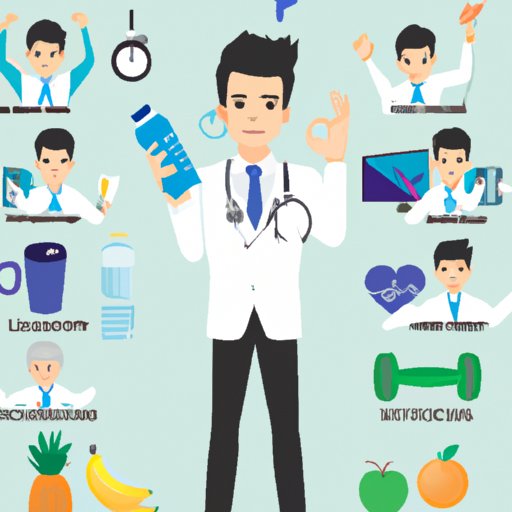
Physical health is an important part of overall wellbeing. It involves taking care of your body with proper nutrition, exercise, sleep, and other lifestyle habits. Optimizing your physical health can help you live a longer, healthier life. This article will look at how to optimize your physical health by eating a balanced diet, exercising regularly, getting enough sleep, reducing stress, avoiding unhealthy habits, staying hydrated, and seeing your doctor.
Eat a Balanced Diet
Eating a balanced diet is essential for good physical health. According to the Harvard T.H. Chan School of Public Health, “A healthy diet should include a variety of nutritious foods from all the food groups: fruits, vegetables, whole grains, low-fat dairy, lean proteins, and healthy fats.” Eating a balanced diet can help reduce your risk for diseases, provide energy, support healthy weight gain or loss, and improve your overall health.
What foods should you be eating? Fruits and vegetables are packed with vitamins, minerals, and fiber. Whole grains are a great source of carbohydrates, which give you energy. Low-fat dairy provides calcium and protein. Lean proteins, such as fish, chicken, and beans, provide essential amino acids that your body needs. Healthy fats, like olive oil and avocados, are important for brain development and cell growth.
Exercise Regularly
Regular exercise is another important component of physical health. According to the American Heart Association, “Adults should aim for at least 150 minutes of moderate-intensity aerobic activity, 75 minutes of vigorous-intensity aerobic activity, or an equivalent combination of both every week.” Exercise has many benefits, including improved cardiovascular health, increased muscle strength, better flexibility, and improved mental health.
There are many types of exercises that you can do. Aerobic activities, such as running, swimming, and biking, are great for improving heart health. Strength training exercises, like weight lifting, help build muscle and boost metabolism. Stretching and yoga can improve flexibility and reduce stress. You can also try activities like walking, dancing, and gardening.
Get Enough Sleep
Getting enough sleep is essential for physical health. According to the Centers for Disease Control and Prevention, adults should aim for seven or more hours of sleep each night. Getting enough sleep can help improve your immune system, reduce stress, and increase alertness. It can also help you maintain a healthy weight, as lack of sleep has been linked to an increased risk of obesity.
If you struggle to get enough sleep, there are things you can do to improve your sleep quality. Try to go to bed and wake up at the same time every day. Avoid caffeine and alcohol before bed, and limit screen time before bed. Exercise regularly and make sure your bedroom is dark and quiet. If you still have trouble sleeping, talk to your doctor about possible solutions.
Reduce Stress
Stress can have a negative impact on your physical health. According to the Mayo Clinic, “Chronic stress can lead to physical symptoms, such as headaches, stomachaches, and chest pain.” Reducing stress can help improve your physical health and reduce your risk for certain medical conditions.
There are many ways to reduce stress. Exercise is a great way to release endorphins and reduce stress. Meditation and mindfulness can help reduce anxiety and improve focus. Talking to friends or family can help you process your feelings and find solutions to problems. Taking breaks throughout the day and doing activities that you enjoy can also help reduce stress.
Avoid Unhealthy Habits
Unhealthy habits can have a negative impact on physical health. Smoking, drinking too much alcohol, and using drugs can increase your risk for a variety of health problems, including cancer, heart disease, stroke, and liver disease. In addition, these habits can lead to poor sleep quality, weight gain, and depression.
If you have unhealthy habits, it may be difficult to break them. Talk to your doctor about quitting smoking or cutting back on alcohol. Seek out professional help if you are using drugs. Find healthier ways to manage stress, such as exercise and meditation. Get support from friends and family, and remember that you can always turn to your doctor for help.
Stay Hydrated
Staying hydrated is important for physical health. According to the Mayo Clinic, “Water makes up about 60% of your body weight and plays an important role in maintaining normal bodily functions.” Drinking enough water can help regulate body temperature, remove waste products, and transport nutrients around the body. Not drinking enough water can lead to dehydration, which can cause fatigue, headaches, and dizziness.
Make sure you drink enough water throughout the day. Carry a reusable water bottle with you to remind yourself to drink. Drink a glass of water before meals, and add a slice of lemon or lime to give it some flavor. If you don’t like plain water, try adding fruit or herbs like mint or basil to your water. You can also get your daily water intake from other sources, such as tea, coffee, and soups.
See Your Doctor
Seeing your doctor regularly is important for physical health. According to the Centers for Disease Control and Prevention, “Regular visits to your doctor can help detect health issues early, when they’re easier to treat.” Seeing your doctor can help identify any potential health issues, as well as help you create a plan for managing any existing conditions. Your doctor can also provide advice on how to optimize your physical health with diet, exercise, and lifestyle changes.
It is recommended that you see your doctor at least once a year for a check-up. Your doctor may also recommend that you come in more often if you have certain medical conditions or are at an increased risk for certain illnesses. During your appointment, your doctor will discuss your health history, review any medications you are taking, and answer any questions you may have.
Conclusion
Physical health is an important part of overall wellbeing. Eating a balanced diet, exercising regularly, getting enough sleep, reducing stress, avoiding unhealthy habits, staying hydrated, and seeing your doctor are all important steps in optimizing your physical health. By taking these steps, you can help ensure that you live a long, healthy life.
(Note: Is this article not meeting your expectations? Do you have knowledge or insights to share? Unlock new opportunities and expand your reach by joining our authors team. Click Registration to join us and share your expertise with our readers.)