
Introduction
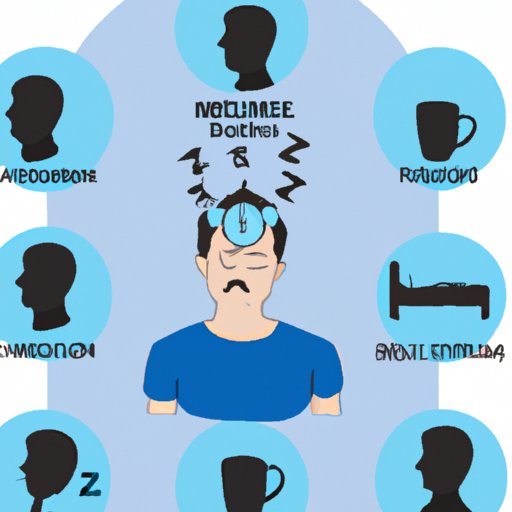
A headache is a pain or discomfort in the head, scalp, or neck. It can range from mild to severe and can affect daily life if not treated properly. When a person wakes up with a headache, they may feel foggy, irritable, and unable to focus on their tasks. There are many possible causes of waking up with a headache, including stress, dehydration, poor sleeping habits, and even certain medications. Fortunately, there are steps that can be taken to help prevent waking up with a headache.
Get Plenty of Sleep
Sleep is an essential part of maintaining physical and mental health. According to the National Sleep Foundation, adults should aim for 7-9 hours of sleep each night. Getting the right amount of sleep helps to keep the body’s circadian rhythm in balance, which can help prevent headaches. Additionally, research has shown that people who get less than 6 hours of sleep per night are more likely to experience headaches than those who get at least 7 hours of sleep per night.
To ensure you get enough sleep each night, it is important to establish a consistent sleep schedule. Going to bed and waking up at the same time each day can help regulate your body’s internal clock and make it easier to fall asleep and stay asleep throughout the night. Additionally, avoid using electronic devices such as phones or laptops at least one hour before bed, as the blue light emitted from these devices can disrupt the body’s natural sleep cycle.
Avoid Caffeine and Alcohol
Caffeine and alcohol are two substances that can cause dehydration and lead to headaches. Caffeine is a stimulant that can increase alertness and energy levels. However, too much caffeine can cause dehydration, which can lead to headaches. Similarly, alcohol is a depressant that can cause dehydration and decrease alertness. Therefore, it is important to limit your intake of both caffeine and alcohol to avoid waking up with a headache.
In addition to limiting your intake of caffeine and alcohol, it is also important to stay hydrated throughout the day. Drinking plenty of water can help prevent headaches caused by dehydration, as well as other health issues.
Drink Plenty of Water
Staying hydrated is essential for overall health and wellbeing. Dehydration can lead to a variety of health issues, including headaches, fatigue, and dizziness. Therefore, it is important to drink plenty of water throughout the day to ensure your body has enough fluids. Aim to drink at least 8 glasses of water per day and avoid sugary drinks, as these can cause dehydration.
It is also important to drink water throughout the night. If you wake up during the night, try to drink a glass of water before going back to bed. This will help replenish any fluids lost during the night and can help prevent headaches in the morning.
Establish a Routine
Having a consistent sleep schedule can help regulate your body’s circadian rhythm and prevent headaches. Establishing a regular bedtime and wake up time can help keep your body’s internal clock in sync and make it easier to fall asleep and stay asleep throughout the night. Additionally, avoiding activities such as watching television or using electronics before bed can help you relax and prepare for sleep.
In addition to having a regular sleep schedule, it is also important to practice good sleep hygiene. This includes avoiding naps during the day, limiting caffeine intake in the afternoon and evening, avoiding eating large meals late at night, and reducing stress levels before bed. All of these practices can help ensure you get a good night’s rest and reduce the risk of waking up with a headache.
Exercise Regularly
Regular exercise can help reduce tension and stress, which can help prevent headaches. Exercise releases endorphins, which are hormones that can help reduce stress levels and improve mood. Additionally, exercise increases blood flow to the brain, which can help reduce the risk of headaches. Aim to get at least 30 minutes of moderate exercise each day, such as walking, biking, swimming, or jogging.
It is also important to stretch before bed. Stretching can help reduce tension in the body and can help you relax before going to sleep. Additionally, stretching can help improve posture, which can help reduce the risk of headaches. Aim to do a few stretches before bed each night to help prevent headaches in the morning.
Practice Relaxation Techniques
Relaxing before bed can help reduce stress levels and make it easier to fall asleep. Practicing relaxation techniques such as yoga, meditation, or deep breathing can help reduce tension in the body and mind. Additionally, these relaxation techniques can help clear the mind and make it easier to fall asleep. Aim to practice relaxation techniques for at least 10 minutes before bed each night.
Conclusion
Waking up with a headache can be a frustrating and debilitating experience. Fortunately, there are steps that can be taken to help prevent headaches. These include getting enough sleep, avoiding caffeine and alcohol, drinking plenty of water, establishing a routine, exercising regularly, and practicing relaxation techniques. By taking care of yourself, you can reduce the risk of waking up with a headache and get back to living your life.
(Note: Is this article not meeting your expectations? Do you have knowledge or insights to share? Unlock new opportunities and expand your reach by joining our authors team. Click Registration to join us and share your expertise with our readers.)