
Introduction
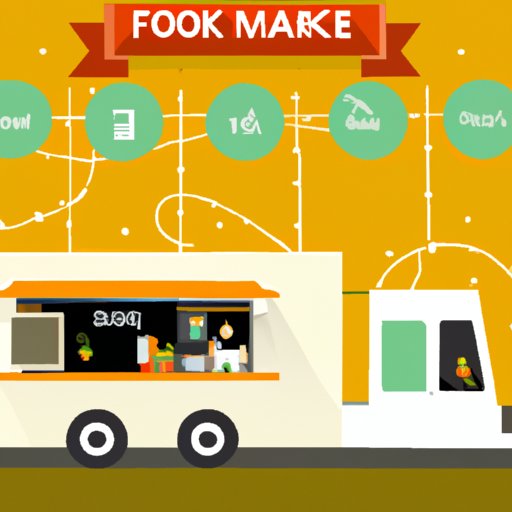
A food truck business is a mobile restaurant that serves food and drinks to customers. It typically operates out of a converted van or trailer and serves a variety of foods, including hot dogs, tacos, sandwiches, ice cream, and other snacks. Starting a food truck business requires careful planning and research. In this article, we’ll provide a step-by-step guide on how to start your own food truck business.
Research Local Regulations and Requirements
The first step in starting a food truck business is to research the local laws and regulations in the area where you plan to operate. This includes understanding any zoning restrictions, health department regulations, and licensing requirements. You should also check to see if there are any restrictions on where you can park and serve food, as well as any limitations on the type of food you can serve.
Once you’ve researched the local regulations, you’ll need to obtain the necessary permits and licenses. These may include a food service license, a business license, and a food handler’s permit. Depending on the city or county, you may also need to obtain a parking permit or a vendor’s license. Check with your local government office to determine which permits and licenses are required for your particular location.
Develop a Plan
The next step in starting a food truck business is to develop a plan. This plan should include an overview of the type of cuisine you plan to serve, your target market, and your financial goals. Consider factors such as the type of food you want to serve, how much you plan to charge for your meals, and whether you will offer catering services.
You should also create a budget and set financial goals. This includes determining the start-up costs for the business, such as the cost of the vehicle, equipment, ingredients, and permits and licenses. You should also research potential competitors and determine pricing strategies to remain competitive.
Choose a Vehicle
Once you’ve developed your plan, it’s time to choose a suitable vehicle for your food truck business. There are several types of vehicles available, including converted vans, trailers, and even buses. Consider factors such as size, fuel efficiency, and cost when selecting a vehicle. You should also consider whether you need a refrigeration system, a generator, or other specialized equipment for your business.
After selecting a vehicle, you’ll need to customize it to meet the needs of your business. This may involve installing a kitchen, adding shelves and counters, or installing a generator or refrigeration system. You may also need to paint the vehicle and add signage or graphics.
Source Supplies
Once you have a vehicle and have customized it for your business, it’s time to source supplies. This includes finding high-quality ingredients, such as meats, vegetables, and other food items. You should also create accounts with suppliers and set up accounts with banks and payment processing companies.
You should also consider investing in kitchen equipment, such as a grill, deep fryer, and refrigerator. You may also need to purchase dishes, utensils, and serving containers. Finally, you should consider purchasing insurance to protect your business and its assets.
Create a Marketing Strategy
Once you have sourced supplies and obtained all the necessary permits and licenses, it’s time to create a marketing strategy to promote your business. This should include utilizing social media and other digital marketing methods, such as creating a website or blog, creating promotional materials, and participating in events and festivals. You should also consider offering discounts or specials to attract new customers.
Conclusion
Starting a food truck business requires careful planning and research. From researching local regulations and obtaining necessary permits and licenses to sourcing supplies and creating a marketing strategy, there are many steps involved in launching a successful food truck business. With the right planning and preparation, you can successfully launch your own food truck business.
We hope this guide has provided you with useful information on how to start your own food truck business.
(Note: Is this article not meeting your expectations? Do you have knowledge or insights to share? Unlock new opportunities and expand your reach by joining our authors team. Click Registration to join us and share your expertise with our readers.)