
Introduction
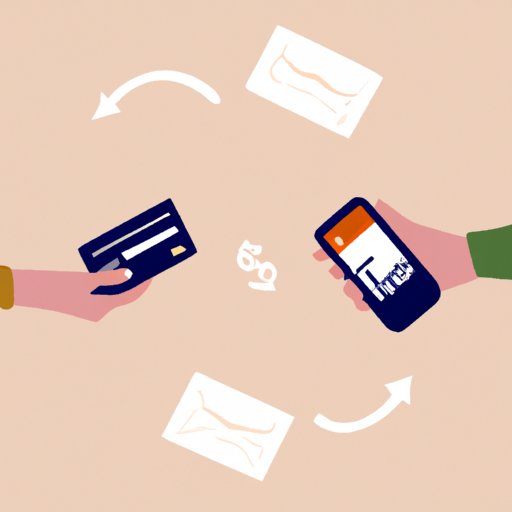
Sending money to yourself may seem like an odd concept, but it’s actually quite a common practice. Whether you want to move money from one account to another or need a way to pay yourself back, there are several ways to do it. In this article, we’ll look at how to send money to yourself and discuss the pros and cons of each method.
Transfer Money from Bank to Bank
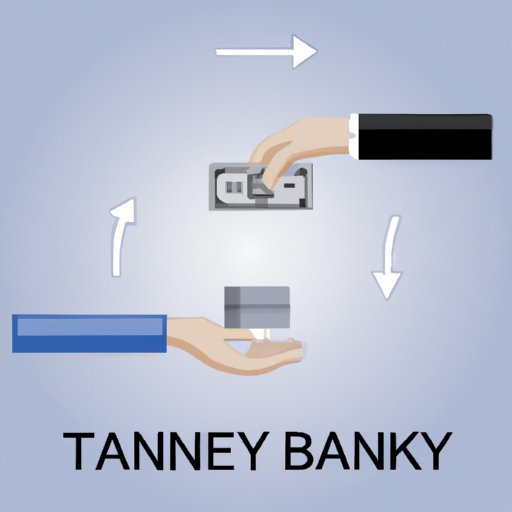
The most straightforward way to send money to yourself is to transfer funds from one bank account to another. You can do this online, over the phone, or in person. To set up an account-to-account transfer, you’ll need to provide the receiving bank with your account information, such as your routing and account numbers. Once the transaction is complete, the money will be transferred from one account to the other.
The benefit of transferring money from one bank account to another is that it’s fast, secure, and relatively inexpensive. However, depending on the banks involved, you may have to wait several business days for the transfer to go through.
Use a Peer-to-Peer Payment Service
Peer-to-peer payment services, also known as P2P payments, are becoming increasingly popular. These services allow you to send money directly to someone else’s bank account or digital wallet. Popular P2P payment services include Venmo, Zelle, and Cash App. To send money to yourself using one of these services, you’ll need to create an account and link it to your bank account or debit card.
The advantage of using a P2P payment service is that it’s fast and convenient. Most transactions are completed within minutes, and there’s no need to worry about waiting for a check to clear or dealing with wire transfer fees. However, some P2P payment services charge fees for certain types of transactions, so you’ll need to read the fine print before signing up.
Send Money Via PayPal
PayPal is one of the most popular ways to send money to yourself. To use PayPal, you’ll need to create an account and link it to a credit card or bank account. From there, you can transfer money from your bank account to your PayPal account, and then from your PayPal account to your bank account. The process is simple and secure, and most transfers are completed within minutes.
The main benefit of using PayPal to send money to yourself is that it’s fast and reliable. Plus, PayPal offers additional features, like buyer protection and dispute resolution, that make it a great choice for online purchases. However, PayPal does charge fees for certain types of transactions, so it’s important to familiarize yourself with the fees before using the service.
Use an Online Money Transfer Service
If you need to send money to yourself quickly and securely, you may want to consider using an online money transfer service. Companies like Western Union, MoneyGram, and Xoom offer international money transfer services that let you send money from one country to another with just a few clicks. All you need to do is create an account and link it to your bank account or debit card. Then, you can send money to yourself or anyone else in the world.
The main benefit of using an online money transfer service is that it’s fast and convenient. Most transactions are completed within minutes, and you don’t have to worry about waiting for a check to clear or dealing with wire transfer fees. However, these services can be expensive, so it’s important to compare prices before making a transfer.
Cash a Check and Deposit It
If you need to send money to yourself and don’t have access to online banking or a peer-to-peer payment service, you can always cash a check and deposit it into your bank account. This process can take a few days, depending on the bank, but it’s a safe and secure way to send money. To cash a check, you’ll need to visit your local bank or a check-cashing service, and you’ll likely have to show identification.
The main benefit of cashing a check and depositing it is that it’s a safe and secure way to send money. Plus, it’s a great option if you don’t have access to online banking or a P2P payment service. However, this method can take a few days to complete, and you may have to pay a fee to cash the check.
Use a Prepaid Debit Card
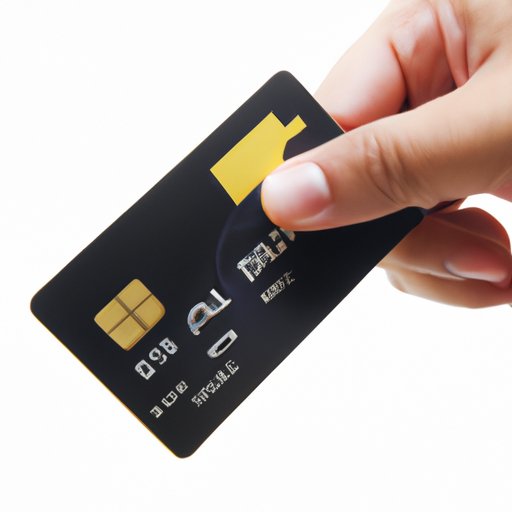
Finally, you can send money to yourself by using a prepaid debit card. With a prepaid debit card, you can transfer money from your bank account to the card and then use the card to make purchases or withdraw cash from an ATM. Most prepaid debit cards are reloadable, meaning you can add more money to the card when needed. You can find prepaid debit cards at your local bank or at many retailers.
The main benefit of using a prepaid debit card is that it’s convenient and secure. Plus, it’s a great option if you don’t have access to online banking or a P2P payment service. However, some prepaid debit cards come with fees, so it’s important to read the terms and conditions before signing up.
Conclusion
Sending money to yourself is a simple process, but there are a few different methods you can use. You can transfer money from one bank account to another, use a peer-to-peer payment service, send money via PayPal, use an online money transfer service, cash a check and deposit it, or use a prepaid debit card. Each method has its own pros and cons, so it’s important to research the different options before deciding which one is best for your needs.
(Note: Is this article not meeting your expectations? Do you have knowledge or insights to share? Unlock new opportunities and expand your reach by joining our authors team. Click Registration to join us and share your expertise with our readers.)