
Introduction
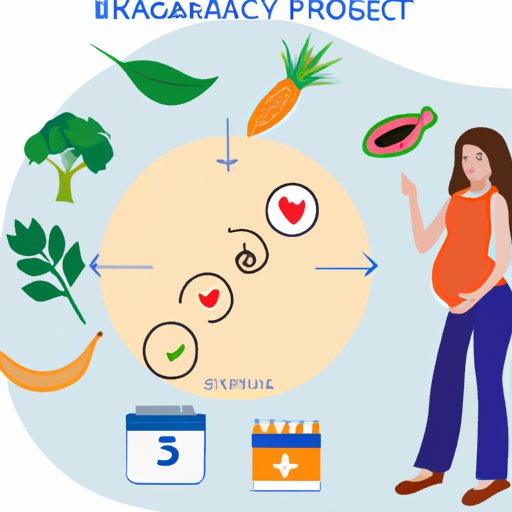
Getting pregnant is the process in which a woman’s body becomes ready to accept and nurture a fertilized egg. It can be an exciting but sometimes stressful experience for couples who are trying to conceive. To increase your chances of success, it’s important to understand the menstrual cycle and ovulation, track your basal body temperature, eat a healthy diet, take prenatal vitamins, reduce stress and have sex at the right time.
Understand Your Menstrual Cycle and Ovulation
Your menstrual cycle is the time between the first day of your period and the first day of your next period. It typically lasts 28 days, but it can vary from woman to woman. The menstrual cycle is divided into three phases – the follicular phase, ovulation phase, and luteal phase. During the follicular phase, the brain sends hormones to the ovaries, which release an egg. This is called ovulation. Ovulation usually happens about 14 days before the start of your next period.
Knowing when you are ovulating is key to increasing your chances of getting pregnant. There are several ways to track your ovulation, such as using an ovulation predictor kit, monitoring cervical mucus, or using an app to track your menstrual cycle.

Track Your Basal Body Temperature
Basal body temperature (BBT) is the temperature of your body at rest. Tracking your BBT can help you determine when you are ovulating. Taking your BBT should be done at the same time each morning, before you get out of bed. You can use a digital thermometer or a special fertility thermometer to take your BBT. Once you have taken your temperature, record it on a chart or log. When your BBT rises, you know that you have ovulated and are most likely to become pregnant.
Eat a Healthy Diet
Eating a healthy diet is essential when trying to get pregnant. Eating a balanced diet full of fruits, vegetables, whole grains, and lean proteins can help ensure that you and your baby get the nutrients you both need. Additionally, studies have shown that women who follow a healthy diet are more likely to conceive than those who do not.
Foods to include in your diet are leafy greens, nuts, seeds, fatty fish, legumes, and whole grains. Foods to avoid are processed foods, trans fats, artificial sugars, and alcohol.
Take Prenatal Vitamins
Taking prenatal vitamins can help increase your chances of getting pregnant. Prenatal vitamins are specially formulated to provide the extra nutrients needed during pregnancy. These vitamins contain folic acid, iron, calcium, and other essential vitamins and minerals. Taking prenatal vitamins can also help prevent birth defects and ensure that your baby gets the proper nutrition he or she needs.
Reduce Stress and Relax
Stress can have a negative impact on fertility. To increase your chances of getting pregnant, it’s important to find ways to relax and reduce stress. Activities such as yoga, meditation, and breathing exercises can help you relax and reduce stress. Additionally, spending time with friends, reading, and taking hot baths can also help reduce stress levels.

Have Sex at the Right Time
Having sex at the right time is key to increasing your chances of getting pregnant. The best time to have sex is during the few days leading up to and including the day of ovulation. Having sex frequently throughout your cycle can help ensure that sperm is present when the egg is released. Additionally, avoiding lubricants that contain spermicides can help increase your chances of getting pregnant.
Conclusion
Getting pregnant can be an exciting but sometimes stressful experience. To increase your chances of success, it’s important to understand the menstrual cycle and ovulation, track your basal body temperature, eat a healthy diet, take prenatal vitamins, reduce stress and have sex at the right time. By following these tips, you can increase your chances of getting pregnant.
(Note: Is this article not meeting your expectations? Do you have knowledge or insights to share? Unlock new opportunities and expand your reach by joining our authors team. Click Registration to join us and share your expertise with our readers.)