
Introduction
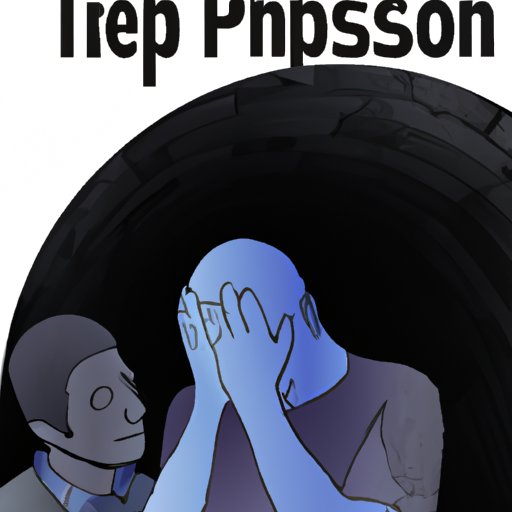
Depression is a serious mental health condition that affects millions of people around the world. It is characterized by feelings of sadness and hopelessness, loss of interest in activities, changes in appetite and sleep patterns, and difficulty concentrating. The causes of depression are complex and varied, but can include biological, psychological, and social factors.
This article is intended to provide guidance on how to help someone with depression. It will cover topics such as understanding the causes of depression, engaging in activities that they enjoy, encouraging professional help, listening without judgment, showing support, and finding healthy ways to cope.

Educate Yourself About Depression and Its Causes
The first step in helping someone with depression is to educate yourself about the condition. Learning the signs and symptoms of depression can help you to recognize when someone may need help. Common signs and symptoms include persistent feelings of sadness and hopelessness, changes in appetite and sleep patterns, difficulty concentrating, irritability, fatigue, and thoughts of death or suicide.
It is also important to understand the underlying causes of depression. According to the National Institute of Mental Health, “Depression can occur for a variety of reasons, including biochemical imbalances in the brain, traumatic life events, or a combination of both.” Other potential causes include genetics, lifestyle choices, and medical conditions.

Offer to Spend Time With the Person
When someone is struggling with depression, spending time with them can be an effective way to show your support. Engage in activities that they enjoy, whether it’s going for a walk, playing a game, watching a movie, or just talking. Taking an interest in their hobbies and interests can help them to feel more connected and less isolated.
It is also important to be patient and understanding. People with depression may not always have the energy or motivation to do things that they once enjoyed. Don’t push them too hard; instead, try to offer activities that require minimal physical and mental effort, like taking a leisurely stroll outdoors or doing a simple craft project.
Encourage Professional Help
Encouraging the person to seek professional help is another important step in helping someone with depression. Explain the benefits of seeking professional help, such as the ability to work through their emotions and learn new coping strategies. Offer support in finding a therapist or other mental health provider, such as providing recommendations or helping to make appointments.
It is important to remember that seeking professional help is a personal decision and should never be forced upon someone. If the person is resistant to the idea, don’t push them; instead, focus on providing support and understanding.
Listen Without Judgment
When someone is dealing with depression, it is important to listen without judgment. Allow the person to express their feelings without interruption or criticism. Avoid offering unsolicited advice or trying to “fix” the problem. Instead, simply offer your support and let them know that you are there for them.
It is also important to be aware of potential triggers. Some topics of conversation, such as past trauma or difficult life events, may cause the person to become overwhelmed. If this occurs, gently change the topic or suggest taking a break from the conversation.
Show Your Support
Showing your support is one of the most important things you can do when helping someone with depression. Be available when needed, whether it’s by phone, text, or in person. Provide comfort and reassurance, and remind the person that they are not alone.
It is also important to set boundaries. While it is important to show your support, it is equally important to take care of yourself. If you find yourself becoming overwhelmed, take a break and set aside some time for self-care.
Find Healthy Ways to Cope
Finally, help the person to find healthy ways to cope with their depression. Exercise, a balanced diet, and meaningful social connections can all help to improve mood and reduce stress. Encourage the person to engage in activities that bring them joy, such as writing, painting, or music.
It is also important to recognize the importance of self-care. Remind the person to practice good self-care habits, such as getting enough sleep, eating a healthy diet, and engaging in activities that bring them joy.
Conclusion
Depression is a serious mental health condition that can have devastating effects on those who suffer from it. Understanding the causes of depression and knowing how to best help and support someone can make a huge difference. This article has provided tips and techniques on how to help someone with depression, such as educating yourself about the condition, engaging in activities that they enjoy, encouraging professional help, listening without judgment, showing support, and finding healthy ways to cope. By following these steps, you can make a positive difference in someone’s life.
(Note: Is this article not meeting your expectations? Do you have knowledge or insights to share? Unlock new opportunities and expand your reach by joining our authors team. Click Registration to join us and share your expertise with our readers.)