

Introduction
A urinary tract infection (UTI) is an infection that can occur in any part of the urinary system, including the bladder, kidneys, ureters, or urethra. It is caused by bacteria entering the urinary tract, typically through the urethra, and multiplying. UTIs are more common in women than men, but both sexes can be affected. If left untreated, a UTI can cause serious complications, so it is important to recognize the signs and seek medical advice when needed.
Identifying the Symptoms of a Urinary Tract Infection (UTI)
The most common symptom of a UTI is a burning sensation or pain when you urinate. Other symptoms may include:
- Burning or Painful Urination: This is the most common symptom of a UTI. You may feel a burning sensation or pain in your lower abdomen while urinating.
- Frequent Urination: You may feel the need to urinate more often than usual, even if you have not had anything to drink.
- Cloudy, Foul-Smelling Urine: You may notice that your urine looks cloudy or has an unpleasant smell.
- Abdominal Pain or Pressure: You may experience abdominal pain or pressure in your lower abdomen.
- Low-Grade Fever: You may have a low-grade fever.
Seeking Medical Advice and Treatment for a UTI
If you are experiencing one or more of these symptoms, it is important to seek medical advice. Your doctor will likely order a diagnostic test to confirm whether or not you have a UTI and determine which type of bacteria is causing the infection. Once this is established, your doctor may prescribe antibiotics to help clear the infection.
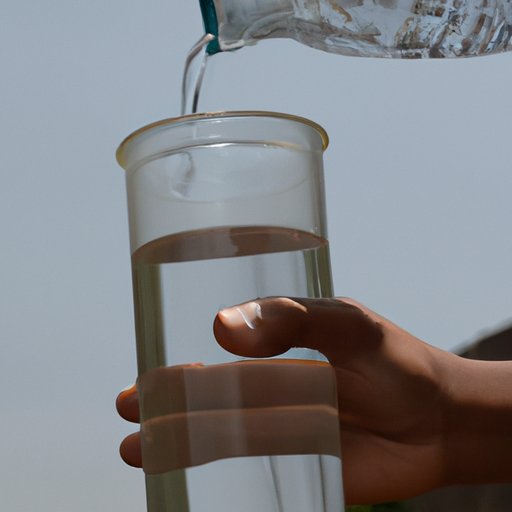
Drinking Plenty of Fluids to Flush Out Bacteria
Drinking plenty of fluids can help flush out bacteria from your system. Staying hydrated helps keep your urinary tract healthy, as well as preventing other infections. It is recommended that you drink at least 8 glasses of water per day. Other fluids such as unsweetened cranberry juice, herbal teas, and diluted fruit juices can also be beneficial.
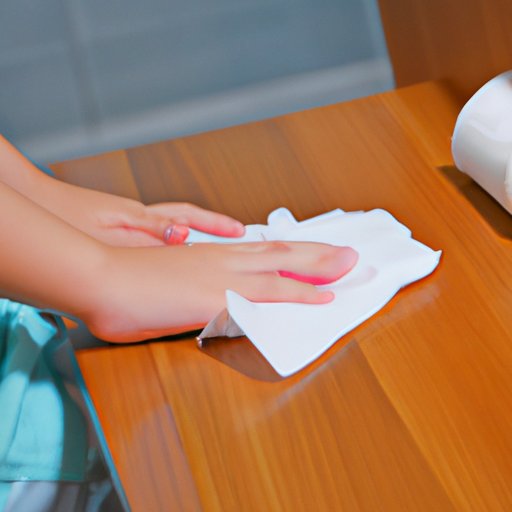
Wiping From Front to Back After Using the Toilet
It is important to always wipe from front to back after using the toilet. This helps prevent bacteria from entering the urinary tract. Make sure to use soft, unscented toilet paper and avoid using wipes that contain harsh chemicals.
Taking Steps to Avoid Re-infections
Once you have been treated for a UTI, there are some steps you can take to reduce your risk of getting re-infected. These include:
- Wear breathable underwear: Make sure to wear cotton underwear or other breathable fabrics, as these allow air to circulate and help keep the genital area dry.
- Avoid holding urine for long periods of time: Try to go to the bathroom as soon as you feel the urge to urinate. Holding urine for too long can increase your risk of infection.
- Clean the genital area daily: Use warm water and a mild soap to wash the genital area daily.

Eating Foods Rich in Probiotics to Help Prevent UTIs
Eating foods that are rich in probiotics, such as yogurt, sauerkraut, kimchi, miso, and kefir, can help prevent UTIs. Probiotics are beneficial bacteria that help maintain a healthy balance in the digestive system. They can help fight off bad bacteria that can lead to infection.
Conclusion
Urinary tract infections can be painful and uncomfortable, but they can usually be easily treated with antibiotics. It is important to recognize the signs and symptoms of a UTI and seek medical advice if needed. Taking steps to stay hydrated and wiping from front to back after using the toilet can help prevent UTIs. Eating foods rich in probiotics can also help keep bad bacteria at bay. Remember to wear breathable underwear, avoid holding urine for long periods of time, and clean the genital area daily to reduce your risk of re-infection.
(Note: Is this article not meeting your expectations? Do you have knowledge or insights to share? Unlock new opportunities and expand your reach by joining our authors team. Click Registration to join us and share your expertise with our readers.)