
Introduction
Knowing who owns a property is an important step in many legal and real estate transactions. Whether you’re looking to buy or sell a piece of land, it’s important to know who the owner is in order to ensure that the transaction is valid. So, how can you find the owner of a property? This article will provide a comprehensive overview of the steps you can take to identify a property owner.
Definition of “Property Owner”
Before we dive into the different methods of finding a property owner, let’s define what we mean by “property owner.” Generally speaking, a property owner is the person or entity that holds legal title to a piece of land or real estate. This means that they have the right to use, possess, and transfer the property as they see fit. However, it’s important to note that there may be other people or entities that also have rights to the property, such as tenants or lenders.
Overview of Problem
Finding the owner of a property can be a difficult process. Depending on the situation, it may require research and investigation in order to uncover the identity of the owner. It’s important to note that some states have laws that restrict access to certain types of information, such as property ownership records. Additionally, if the property is owned by a business or organization, it may be even more difficult to track down the owner.
Contact the Local Assessor’s Office
One of the best places to start your search for the owner of a property is the local assessor’s office. The assessor is responsible for keeping records of all property owners in the area, so they should be able to provide the information you’re looking for. In order to get the information you need, you’ll need to provide the address of the property in question.
What Information is Needed
When you contact the assessor’s office, you’ll need to provide the address of the property you’re trying to find the owner of. You may also need to provide additional information, such as the parcel number or tax identification number. If you don’t have this information, the assessor’s office should be able to help you locate it.
Where to Find the Office
The local assessor’s office should be easy to find. In most cases, you can simply search for the name of your county or city followed by the words “assessor’s office.” This should bring up the contact information for the office, including phone numbers and addresses. Alternatively, you can ask your local government for assistance in locating the office.
Check County Public Records
Another way to find the owner of a property is to check public records. Most counties keep records of all property owners in their jurisdiction, so you can use these records to determine who owns a particular piece of land. These records are typically available online, but you may need to go to the county courthouse to access them.
What Information is Available
Public records contain a wealth of information about properties and their owners. For example, you can find out who owns a particular piece of land, when they bought it, how much they paid for it, and what taxes they owe. The records also contain information about mortgages, liens, and other financial documents related to the property.
How to Access the Records
Accessing public records is usually a straightforward process. Many counties make records available online, so you can search for the information you need without having to leave your home. Some counties also allow you to search for records in person at the county courthouse. However, you may need to provide proof of identity in order to view the records.
Search Online Property Databases
In addition to checking public records, you can also search online property databases. These databases contain information about a variety of properties, including who owns them. You can use these databases to quickly search for the owner of a property without having to go through the hassle of visiting the county courthouse.
Popular Database Sites
There are a number of popular online property databases that you can use to search for the owner of a property. Some of the most popular sites include Zillow, Realtor.com, and Trulia. All of these sites allow you to search for properties by address, so you can easily find the owner of a particular piece of land.
Tips for Finding Ownership Information
When searching for the owner of a property, it’s important to remember that not all databases are created equal. Some sites may offer more detailed information than others, so it’s always a good idea to check multiple sources. Additionally, many sites require you to create an account in order to access their databases, so you may have to register before you can begin your search.
Ask Real Estate Agents for Assistance
If you’re having trouble finding the owner of a property, you may want to consider asking a real estate agent for help. Real estate agents have access to a variety of resources that can help you locate the owner of a property. They may be able to provide you with information about the property and the owner, as well as other helpful resources.
What Kind of Help They Can Provide
Real estate agents can provide you with a variety of helpful services. They can help you search for properties and identify potential owners. They can also provide you with information about the property, such as its history and current market value. Additionally, they can assist you in negotiating a purchase agreement or sales contract.
Other Resources Real Estate Agents May Have
Real estate agents may also have access to other useful resources that can help you find the owner of a property. For example, they may be able to provide you with contact information for the owner, or they may be able to put you in touch with someone who can provide additional information about the property.
Research Tax Records
Tax records can also be a valuable resource when trying to find the owner of a property. Tax records contain information about who owns a particular piece of land, as well as how much they pay in taxes each year. They can be used to identify the owner of a property, as well as any other individuals or entities that may have an interest in the property.
Where to Find Tax Records
Tax records are typically available online, but you may need to visit the county courthouse to access them. Additionally, some counties may require you to provide proof of identity in order to view the records. Once you have access to the records, you can use them to identify the owner of a property.
How Tax Records Can Help Identify an Owner
Tax records can be used to identify the owner of a property in a few different ways. First, you can look for the name of the owner listed on the records. Additionally, you can look for the amount of taxes owed each year, which can be used to verify that the person listed as the owner is in fact the true owner of the property.
Drive by the Property and Look for Signs of Ownership
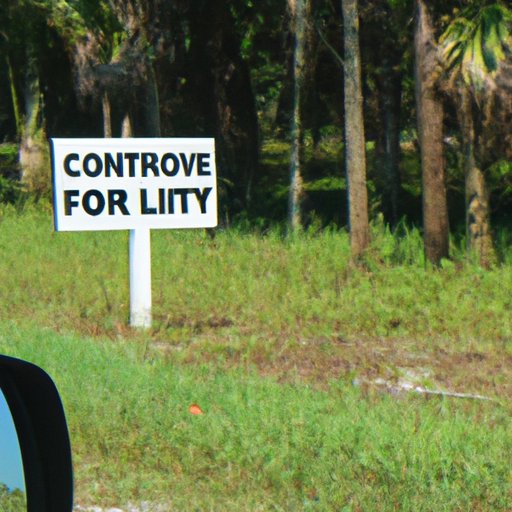
Finally, you can drive by the property and look for signs of ownership. This can be a good way to confirm who owns a property, as many owners will post signs on their properties indicating that they are the owners. These signs may include the owner’s name, address, and contact information. Additionally, you may be able to see if the owner has made any changes to the property, such as adding a fence or building a shed.
What to Look for
When driving by the property, look for any signs that indicate who the owner is. This could include a sign with the owner’s name or contact information, or any other changes that have been made to the property. Additionally, you may be able to spot things like mailboxes or garbage cans that indicate who lives at the property.
What Information Signs May Provide
If you find signs indicating who the owner is, you can use this information to contact the owner directly. This can be a great way to get answers to questions you may have about the property, as well as to negotiate a purchase agreement or sales contract. Additionally, you may be able to get additional information about the property from the owner, such as the age of the house or whether there are any legal issues associated with the property.
Conclusion
Finding the owner of a property can be a difficult task, but with the right resources and a bit of research, it can be done. Start by contacting the local assessor’s office and checking public records. Then, search online property databases and ask real estate agents for help. Finally, look for signs of ownership and research tax records. With these steps, you should be able to identify the owner of a property.
Summary of Steps Taken
In summary, the steps for finding the owner of a property include: contacting the local assessor’s office, checking public records, searching online property databases, asking real estate agents for assistance, researching tax records, and looking for signs of ownership. With these steps, you should be able to identify the owner of a property.

Final Thoughts on Finding a Property Owner
Finding the owner of a property can be a daunting task, but it doesn’t have to be. By following the steps outlined in this article, you should be able to identify the owner of a property in no time. Just remember to do your research, and you should be able to find the owner of a property with ease.
(Note: Is this article not meeting your expectations? Do you have knowledge or insights to share? Unlock new opportunities and expand your reach by joining our authors team. Click Registration to join us and share your expertise with our readers.)