
Introduction
Artificial intelligence (AI) is an area of computer science that enables machines to learn from experience, adjust to new inputs and perform human-like tasks. Its purpose is to create intelligent machines that can think and act like humans. AI technology has been used for a variety of applications, such as voice recognition, natural language processing, robotics, and medical diagnosis.
The purpose of this article is to explore how artificial intelligence is made. We will look at the process of AI development, the technologies involved, and the future trends in AI. We will also investigate the use of neural networks in AI creation and examine natural language processing and its impact on AI.
How AI is Developed: An Overview of the Process
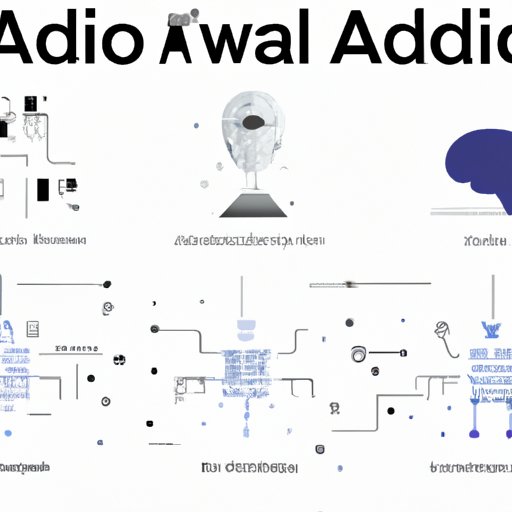
The process of AI development involves several steps, including data collection, feature engineering, model selection, training, and testing. During the data collection stage, data scientists use various sources, such as databases and online services, to collect the data needed for AI development. The next step is feature engineering, which involves selecting the most relevant features from the data collected and creating algorithms to extract meaningful information from it.
The model selection stage involves choosing the appropriate algorithm for the task at hand, such as supervised or unsupervised learning. After the model has been selected, the training phase begins, where the AI system is trained using the data collected. Finally, the AI system is tested to ensure that it is performing as expected.
Common tools and techniques used in AI development include machine learning, neural networks, natural language processing, and deep learning. Machine learning is a type of AI that uses algorithms to learn from data without being explicitly programmed. Neural networks are computer systems modeled after the human brain, and they are used to solve complex problems. Natural language processing is the ability of a computer to understand and interpret human language, while deep learning is a subset of machine learning that uses layers of neural networks to analyze data.
Exploring the Technologies Behind Artificial Intelligence
In order to better understand how AI is created, we must first explore the technologies behind it. Let’s take a closer look at some of the key technologies used in AI development.
Understanding Machine Learning
Machine learning is a type of AI that uses algorithms to learn from data without being explicitly programmed. It is used to detect patterns in data and make predictions about future events. According to a study by the McKinsey Global Institute, “machine learning will be a key driver of economic transformation and growth” in the coming years.
Examining the Use of Neural Networks
Neural networks are computer systems modeled after the human brain. They are used to solve complex problems, such as image recognition and natural language processing. A neural network consists of layers of neurons, which are connected to each other and form a network. Each neuron processes information received from the previous layer and passes it on to the next layer.
Investigating Natural Language Processing
Natural language processing (NLP) is the ability of a computer to understand and interpret human language. It is used in a variety of applications, such as voice recognition and text analysis. NLP is an important component of AI development, as it allows computers to understand and respond to human requests.
Analyzing the Impact of Deep Learning
Deep learning is a subset of machine learning that uses layers of neural networks to analyze data. It is used in a variety of applications, such as self-driving cars, facial recognition, and medical diagnosis. Deep learning has become increasingly popular in recent years due to its ability to detect complex patterns in data that traditional machine learning algorithms cannot.
Understanding the Use of Neural Networks in AI Creation
Now that we have explored the technologies behind AI, let’s take a closer look at the use of neural networks in AI creation. Neural networks are powerful tools for AI development, as they can learn from data and make decisions without being explicitly programmed.
What Are Neural Networks?
Neural networks are computer systems modeled after the human brain. They consist of layers of interconnected neurons, which process information received from the previous layer and pass it on to the next layer. Neural networks can “learn” from data and make decisions without being explicitly programmed.
Types of Neural Networks
There are several types of neural networks, including feedforward, recurrent, and convolutional neural networks. Feedforward neural networks are used for tasks such as object recognition and classification, while recurrent neural networks are used for tasks such as speech recognition and natural language processing. Convolutional neural networks are used for tasks such as image recognition and video analysis.
Benefits of Using Neural Networks
Neural networks offer several benefits for AI development, such as accuracy, scalability, and flexibility. They are also capable of learning from data without being explicitly programmed, making them well-suited for tasks such as pattern recognition and prediction. In addition, neural networks are fast and efficient, and they can be used for a variety of applications.
A Look at Natural Language Processing and AI
Natural language processing (NLP) is a key component of AI development, as it allows computers to understand and respond to human requests. NLP is used for tasks such as speech recognition, text analysis, and question answering.
What Is Natural Language Processing?
Natural language processing is the ability of a computer to understand and interpret human language. It involves analyzing text or spoken words to identify their meaning and context. NLP is used in a variety of applications, such as voice recognition, text analysis, and question answering.
Applications of NLP
NLP is used in a variety of applications, such as voice recognition, text analysis, question answering, sentiment analysis, and chatbots. It is also used in machine translation, document summarization, and automated customer service.
Challenges of NLP
Despite its many advantages, NLP poses several challenges, such as ambiguity, context dependence, and lack of data. For example, words can have multiple meanings depending on the context in which they are used, making it difficult for computers to accurately interpret them. Additionally, there is often a lack of data available for training NLP systems, which can lead to inaccurate results.
Analyzing the Impact of Deep Learning on AI Design
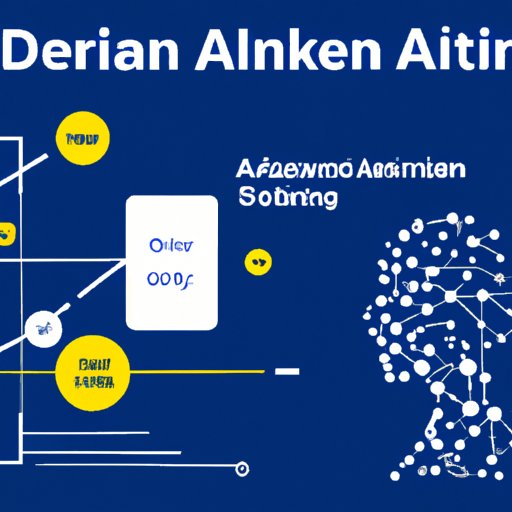
Deep learning is a subset of machine learning that uses layers of neural networks to analyze data. It is used in a variety of applications, such as self-driving cars, facial recognition, and medical diagnosis. Deep learning has become increasingly popular in recent years due to its ability to detect complex patterns in data that traditional machine learning algorithms cannot.
What Is Deep Learning?
Deep learning is a subset of machine learning that uses layers of neural networks to analyze data. It is used to detect patterns in large amounts of data and make predictions about future events. Deep learning is used in a variety of applications, such as self-driving cars, facial recognition, and medical diagnosis.
Advantages of Deep Learning
Deep learning offers several advantages for AI development, such as accuracy, scalability, and flexibility. It is also capable of learning from data without being explicitly programmed, making it well-suited for tasks such as pattern recognition and prediction. In addition, deep learning is fast and efficient, and it can be used for a variety of applications.
Limitations of Deep Learning
Despite its many advantages, deep learning also has several limitations, such as data requirements and interpretability. Deep learning requires large amounts of data for training, which can be difficult to obtain. Additionally, deep learning models are often difficult to interpret, making it difficult to understand their decisions.
Investigating the Future of AI Development
As AI continues to evolve, there are several emerging trends that will shape the future of AI development. These include the use of cloud computing, the development of edge computing, and the integration of AI into everyday objects. Additionally, AI will continue to be used for a variety of applications, such as autonomous vehicles, healthcare, and smart cities.
Emerging Trends in AI
Cloud computing is becoming increasingly popular for AI development, as it allows for the storage and processing of large amounts of data. Edge computing is also gaining traction, as it allows AI systems to run locally instead of relying on the cloud. Additionally, AI is being integrated into everyday objects, such as smartphones and home appliances.
Opportunities for Further Development
AI presents a number of opportunities for further development, such as the creation of intelligent robots, the development of autonomous vehicles, and the use of AI in healthcare. Additionally, AI is being used to develop smarter cities, improve education, and enhance security.
Potential Risks and Challenges
As with any technology, there are potential risks and challenges associated with AI. These include privacy concerns, ethical issues, and job displacement. Additionally, AI systems are vulnerable to malicious attacks, and there is a risk of bias in AI models if the data used to train them is not properly curated.
Conclusion
In conclusion, this article has provided an overview of the process involved in AI development, explored the technologies behind artificial intelligence, and investigated the future of AI development. We have also examined the use of neural networks in AI creation and looked at natural language processing and its impact on AI. As AI continues to evolve, it will open up a world of possibilities, but there are also potential risks and challenges that must be addressed.
To summarize, the process of AI development involves several steps, including data collection, feature engineering, model selection, training, and testing. Common tools and techniques used in AI development include machine learning, neural networks, natural language processing, and deep learning. Emerging trends in AI include the use of cloud computing, the development of edge computing, and the integration of AI into everyday objects. Finally, there are potential risks and challenges associated with AI, such as privacy concerns, ethical issues, and job displacement.
(Note: Is this article not meeting your expectations? Do you have knowledge or insights to share? Unlock new opportunities and expand your reach by joining our authors team. Click Registration to join us and share your expertise with our readers.)