
Introduction
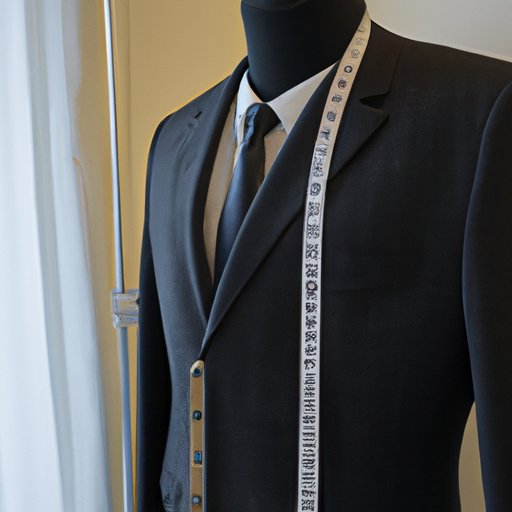
A suit is a two- or three-piece garment consisting of trousers, a jacket, and sometimes a vest. It is typically worn for formal occasions such as business meetings, job interviews, weddings, and other special events. In this article, we will explore how to find the perfectly fitted suit for any occasion.

How to Choose the Right Fit for Your Suit
Choosing the right fit for your suit is essential in order to look your best. There are several considerations to keep in mind when selecting the right fit for your body type. The most important factor to consider is your own personal style and taste, as well as what looks best on you. You should also take into account the occasion, as a more tailored fit may be appropriate for a formal event, while a looser fit may be better suited for a casual gathering.
Once you have taken these factors into consideration, it is time to choose the right fit for your suit. There are four main types of suits: slim-fit, classic-fit, modern-fit, and custom-fit. Each of these fits has its own advantages and drawbacks, so it is important to understand the key differences between them before making a decision.
The Different Types of Suit Fits Explained
The slim-fit suit is the most popular option, as it is designed to accentuate the wearer’s body shape and give a sleek, modern look. This fit is generally tighter than other types of suits, and is best suited for those who want to show off their figure. However, it is important to note that slim-fit suits can be uncomfortable if they are too tight, so it is important to find the right size.
The classic-fit suit is a timeless option, as it is designed to be comfortable and flattering for all body types. This fit is slightly looser than the slim-fit, and is best suited for those who want a professional look without sacrificing comfort. It is important to note that the classic-fit suit can look dated if not styled correctly.
The modern-fit suit is a hybrid between the slim-fit and the classic-fit. This fit is slightly looser than the slim-fit, but still maintains a tailored look. This fit is best suited for those who want a contemporary look without sacrificing comfort. It is important to note that the modern-fit suit can be too baggy if not tailored correctly.
Finally, the custom-fit suit is designed to be tailored to the exact measurements of the wearer. This fit is best suited for those who want a perfectly tailored look, as it is designed to flatter the wearer’s body shape. It is important to note that the custom-fit suit can be expensive due to the cost of alterations.

Understanding Suiting Measurements: What You Should Know
In order to select the right fit for your suit, it is important to understand suiting measurements. The first step is to measure your body. You should take measurements of your chest, waist, hips, and inseam. Once you have taken your measurements, you should understand the key measurements for each type of fit.
For slim-fit suits, the chest measurement should be slightly smaller than the actual chest measurement, the waist measurement should be slightly larger than the actual waist measurement, and the hips should be slightly narrower than the actual hips measurement. For classic-fit suits, the chest measurement should be slightly larger than the actual chest measurement, the waist measurement should be slightly smaller than the actual waist measurement, and the hips should be slightly wider than the actual hips measurement. For modern-fit suits, the chest measurement should be slightly larger than the actual chest measurement, the waist measurement should be slightly larger than the actual waist measurement, and the hips should be slightly wider than the actual hips measurement. Finally, for custom-fit suits, the chest, waist, and hips measurements should be exactly the same as the actual measurements.
Tips for Determining the Perfect Suit Fit for Your Body Type
Once you have taken your measurements and chosen the right fit for your suit, it is time to tailor your suit for your body type. An experienced tailor will be able to make adjustments to the suit to ensure that it fits properly. Common alterations include shortening the sleeves, lengthening the trousers, and taking in the waist and shoulders. Additionally, the tailor can make minor adjustments to the fabric to ensure that it drapes correctly.
It is also important to get measured by a professional tailor in order to ensure that the suit fits correctly. A professional tailor will be able to accurately measure your body and recommend the right size and fit for your suit. Additionally, they will be able to suggest alterations to ensure that the suit fits your body type perfectly.

Tailoring Tips for a Perfectly Fitted Suit
Once you have tailored your suit, it is important to take care of it in order to maintain its shape and fit. It is recommended to hang the suit on a hanger and store it in a dry, dust-free area. Additionally, it is important to avoid washing the suit too often, as this can cause the fabric to lose its shape and structure. If necessary, spot cleaning is the best way to clean the suit.
A Guide to Finding the Best-Fitting Suit for Your Lifestyle
When selecting a suit, it is important to evaluate your lifestyle and needs. Consider how often you will be wearing the suit and what activities you will be engaging in while wearing it. Additionally, take into account your budget, as the cost of the suit can vary depending on the quality of the fabric and the amount of tailoring required.
Conclusion
Finding the perfect suit can be daunting, but with the right knowledge and guidance, it is possible to find the best-fitting suit for any occasion. In this article, we have explored how to choose the right fit for your suit, the different types of suit fits, understanding suiting measurements, tips for determining the perfect suit fit for your body type, and a guide to finding the best-fitting suit for your lifestyle. With this information, you should be well-equipped to find the perfectly fitted suit for your needs.
(Note: Is this article not meeting your expectations? Do you have knowledge or insights to share? Unlock new opportunities and expand your reach by joining our authors team. Click Registration to join us and share your expertise with our readers.)