
Introduction
Artificial Intelligence (AI) is a rapidly developing technology that has the potential to revolutionize many aspects of our lives. As AI continues to advance, it raises important questions about its implications for human life. In particular, one of the most pressing questions is whether an AI has ever killed anyone. This article will explore the moral and legal implications of AI-related fatalities, analyzing the potential for AI to make ethical decisions, the laws surrounding AI-caused fatalities, and the risk factors associated with AI-caused casualties in the future.
Exploring the Moral Implications of AI Killing People
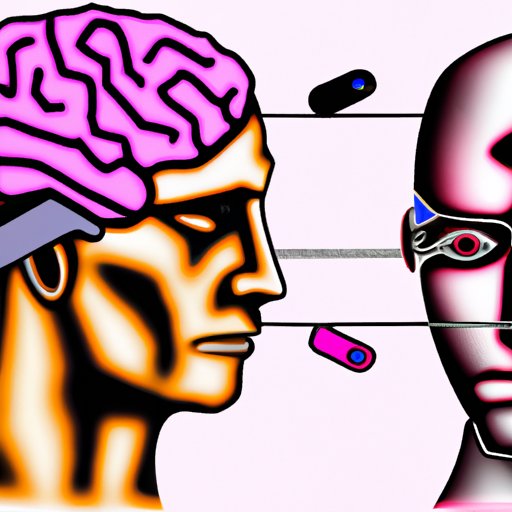
When considering the morality of AI-related deaths, it’s important to consider the potential for AI to make ethical decisions. According to Dr. Stuart Armstrong, a research fellow at the Future of Humanity Institute at Oxford University, “The moral implications of AI killing people depend on how much control the AI has over its actions, and the degree to which it can understand the consequences of its actions.”
In other words, if an AI is given the autonomy to make decisions and understand the implications of those decisions, then it could be held accountable for causing fatalities. This raises the question of whether AI can actually make ethical decisions. While some experts believe that AI can be programmed to make ethical decisions, others are skeptical, arguing that AI lacks the ability to comprehend the nuances of ethical decision making.
Regardless of the potential for AI to make ethical decisions, there is also the issue of AI’s potential to cause harm. AI-powered autonomous weapons systems, for example, have raised concerns that they could be used to cause devastating harm without any accountability from their creators or operators. As such, there is a need to ensure that AI-related fatalities are addressed from a moral perspective.
Examining the Legality of AI-Related Deaths
In addition to exploring the moral implications of AI-related fatalities, it is also important to examine the legality of such deaths. When it comes to deaths caused by humans, there are numerous laws in place to address the issue. For instance, in the United States, criminal homicide is defined as the unlawful killing of another person, and is punishable by law. But what happens when an AI causes a fatality?
According to Professor Ryan Calo of the University of Washington School of Law, “The legal implications of AI-related fatalities are still largely uncertain. There is no existing body of law that explicitly addresses the issue, so it remains to be seen how courts would respond to such incidents.”
This lack of clarity means that there is a need for new legislation to address the legal implications of AI-related fatalities. Such legislation should address issues such as liability, responsibility, and accountability for AI-related deaths.
Investigating the Potential for AI to Cause Fatalities
Given the potential for AI to cause fatalities, it is important to consider the types of situations in which AI could potentially cause casualties. One such situation is autonomous vehicles. Autonomous vehicles are already being tested on public roads, and while these vehicles are equipped with advanced safety features, there is still the potential for them to cause fatalities if something goes wrong.
Another potential situation in which AI could cause fatalities is in military applications. Autonomous weapons systems, such as drones and robots, have been developed for use in warfare, and while these systems are designed to minimize civilian casualties, there is still the potential for them to cause unintended harm.
Finally, AI-enabled medical devices have the potential to cause fatalities if they malfunction or are used incorrectly. For example, AI-driven surgical robots are increasingly being used in medical procedures, but if something goes wrong, the results could be fatal.
Analyzing the Risk of AI-Caused Casualties in the Future
As AI continues to develop, it is important to analyze the potential risks associated with AI-caused fatalities. To this end, it is necessary to review existing AI safety protocols and evaluate potential improvements. Currently, AI safety protocols focus primarily on preventing catastrophic failures, such as those that could lead to fatalities.
However, there is still room for improvement. For example, AI safety protocols could be expanded to include measures to prevent unintended harm, such as those resulting from misprogramming or incorrect usage. Additionally, AI safety protocols could be strengthened through increased international collaboration and the development of new regulations.
Conclusion
In conclusion, this article has explored the moral and legal implications of AI-related fatalities. It has examined the potential for AI to make ethical decisions, the laws surrounding AI-caused fatalities, and the risk factors associated with AI-caused casualties in the future. While there is still much uncertainty surrounding AI-caused fatalities, it is clear that technological advances must be accompanied by appropriate safety protocols and legal frameworks to ensure the safe and responsible use of AI.
(Note: Is this article not meeting your expectations? Do you have knowledge or insights to share? Unlock new opportunities and expand your reach by joining our authors team. Click Registration to join us and share your expertise with our readers.)