
Introduction
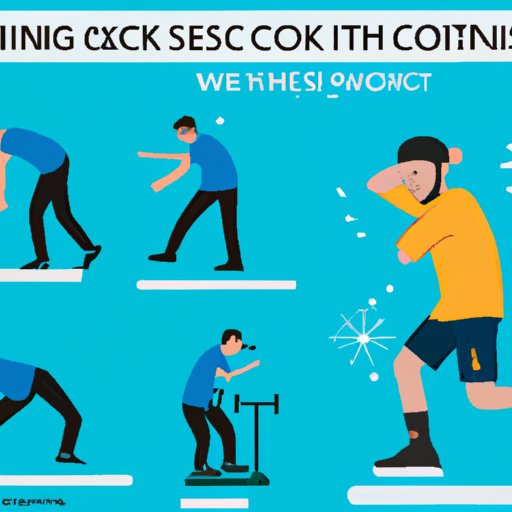
A cold is an infection of the upper respiratory system caused by viruses. Common cold symptoms include sneezing, coughing, sore throat, fever, congestion, and body aches. While there is no cure for the common cold, there are ways to alleviate or reduce its symptoms. One such way is exercise. But does working out really help with a cold? In this article, we will explore the evidence on how exercise can affect the duration and severity of colds, as well as the potential risks and benefits of exercising while sick.
Examining the Evidence: Can Working Out Help with a Cold?
When it comes to curing a cold, exercise may not be the first thing that comes to mind. But there is some evidence to suggest that working out can help speed up the recovery process. According to a study published in the journal Sports Medicine, regular exercise can improve immunity and reduce the risk of catching a cold. The study found that athletes who exercised regularly were less likely to catch a cold compared to their sedentary counterparts.
In addition to boosting immunity, exercise also has other beneficial effects on the body. Regular physical activity can reduce stress and anxiety, improve sleep quality, and reduce congestion. All of these factors can contribute to a faster recovery from a cold.
The Benefits of Exercising While Sick
There are several potential benefits to exercising while sick. Here are some of the ways that exercise can help:
Improved Immunity
Regular exercise has been shown to boost the immune system, making it better able to fight off infections like the common cold. According to a study published in the journal Medicine & Science in Sports & Exercise, moderate-intensity aerobic exercise can increase the production of white blood cells, which are essential for fighting off infections.
Reduced Stress and Anxiety
Physical activity releases endorphins, which can help reduce stress and anxiety levels. This can be especially helpful when dealing with a cold, as stress and anxiety can weaken the immune system and make it harder to fight off viruses.
Reduced Congestion
Exercise can also help reduce congestion. According to a study published in the Journal of Applied Physiology, exercise can help clear mucus from the airways, which can help reduce congestion and breathing difficulties.
Improved Sleep
Regular physical activity can also improve sleep quality, which can be beneficial when dealing with a cold. Studies have found that exercise can help improve sleep duration and quality, which can help with recovery from illness.

Exploring the Connection Between Exercise and Cold Symptoms
So how exactly can exercise help reduce cold symptoms? According to experts, exercise can help reduce symptoms by improving circulation and breathing. Exercise increases circulation, which can help bring more oxygen to the muscles and organs, which can help the body heal more quickly. Exercise can also help reduce congestion by increasing the flow of air through the lungs. This can help reduce coughing and other respiratory symptoms.
However, it’s important to note that there can be risks associated with exercising while sick. If you have a fever, for example, it’s best to avoid strenuous exercise, as it can put additional strain on the body. It’s also important to listen to your body and take breaks when needed.
Does Working Out Help Reduce the Duration of a Cold?
While there is some evidence to suggest that exercise can help reduce the duration of a cold, the research is still inconclusive. A study published in the British Medical Journal found that moderate-intensity exercise had no significant effect on the duration of a cold. However, the study did find that vigorous exercise reduced the duration of a cold by approximately one day.
To maximize the benefits of exercise during a cold, it’s important to choose the right type of exercise. Low-impact activities like walking, yoga, and swimming can be beneficial, as they provide a gentle form of exercise without putting too much strain on the body. It’s also important to listen to your body and take breaks when needed.
Taking it Easy: When to Exercise During a Cold
It’s important to understand when it’s safe to exercise during a cold. If you have a fever, for example, it’s best to take a rest day and wait until the fever has subsided before resuming exercise. Other signs that you should take a break from working out include severe fatigue, body aches, and shortness of breath.
If you do decide to exercise while you’re sick, it’s important to take it easy. Stick to low-impact activities, and don’t push yourself too hard. Listen to your body and take breaks when needed. It’s also important to stay hydrated and get enough rest to ensure your body has time to recover.
Is it Safe to Work Out With a Cold?
Whether or not it’s safe to exercise while sick depends on the individual and the severity of the cold. Generally speaking, if you are feeling well enough to exercise, it’s usually safe to do so. However, it’s important to consider factors such as age, underlying medical conditions, and the severity of the cold before deciding to exercise.
Those with weakened immune systems, such as the elderly and those with chronic illnesses, should avoid exercising while sick. It’s also best to avoid strenuous exercise if you have a fever, severe fatigue, or difficulty breathing.

How to Maximize the Benefits of Exercise During a Cold
If you decide to exercise while sick, there are several things you can do to maximize the benefits of exercise. First, it’s important to choose the right type of exercise. Low-impact activities like walking, yoga, and swimming can be beneficial, as they provide a gentle form of exercise without putting too much strain on the body. Second, it’s important to listen to your body and take breaks when needed. Finally, it’s important to stay hydrated and get enough rest to ensure your body has time to recover.
Conclusion
In conclusion, there is some evidence to suggest that working out can help reduce the duration and severity of a cold. Regular exercise can boost immunity, reduce stress and anxiety, reduce congestion, and improve sleep quality, all of which can help with recovery from a cold. However, it’s important to consider factors such as age, underlying medical conditions, and the severity of the cold before deciding to exercise. If done safely, exercise can be a great way to reduce cold symptoms and speed up recovery.
(Note: Is this article not meeting your expectations? Do you have knowledge or insights to share? Unlock new opportunities and expand your reach by joining our authors team. Click Registration to join us and share your expertise with our readers.)